
Last updated November 23, 2026
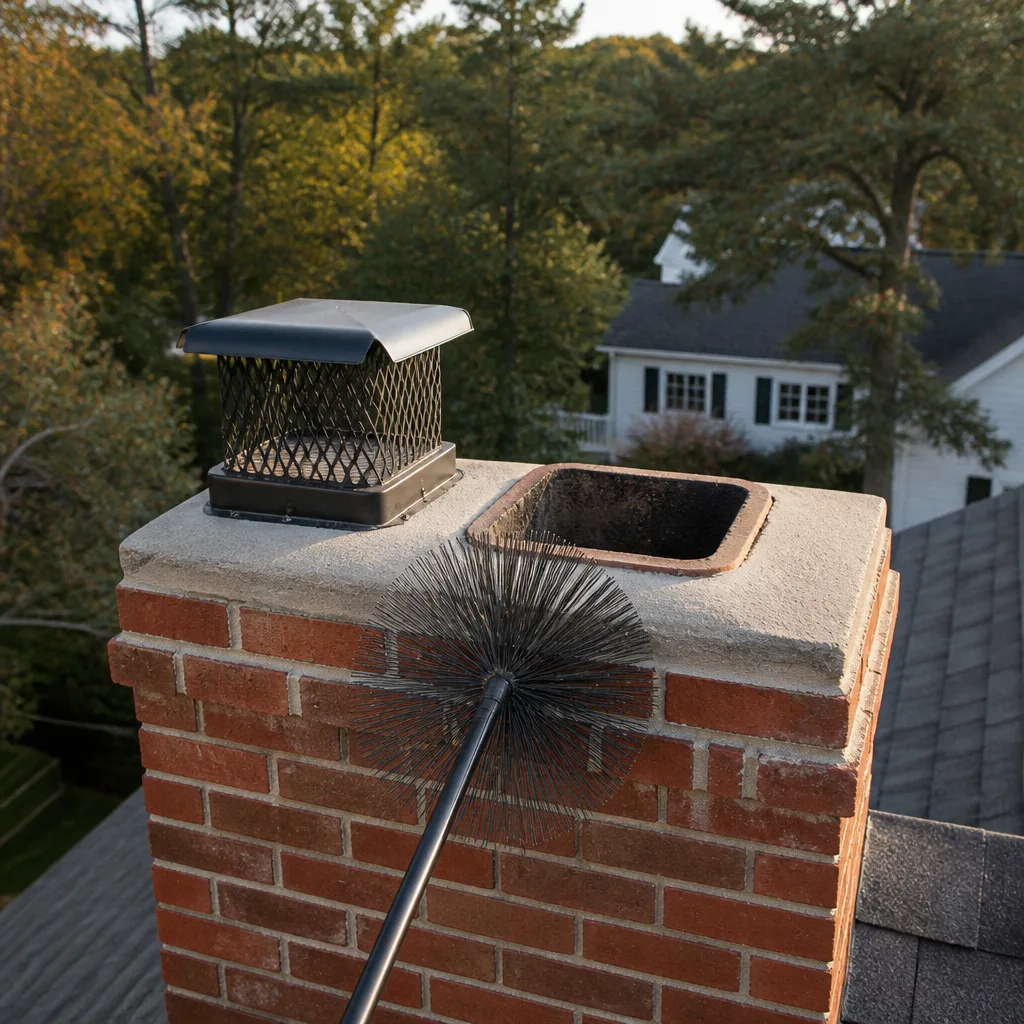 Sweep & inspection
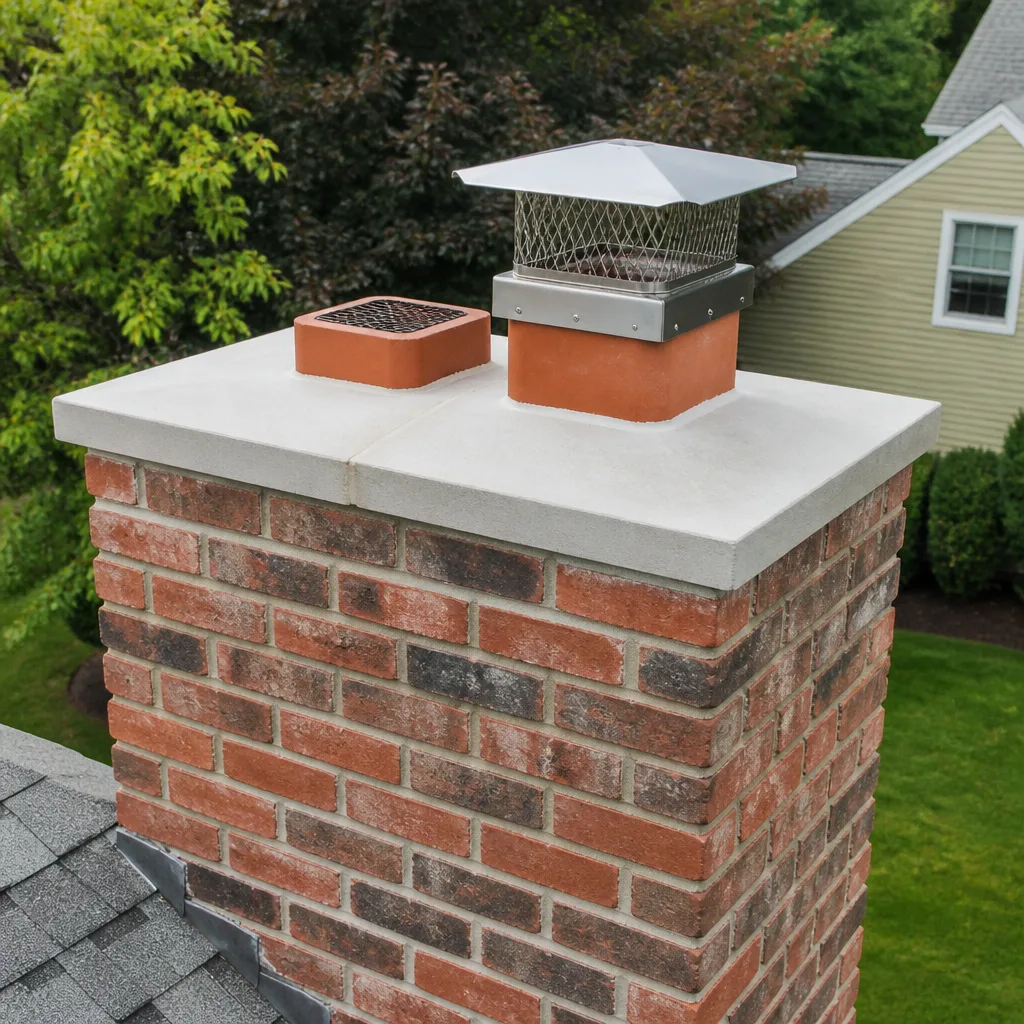 Caps & crowns
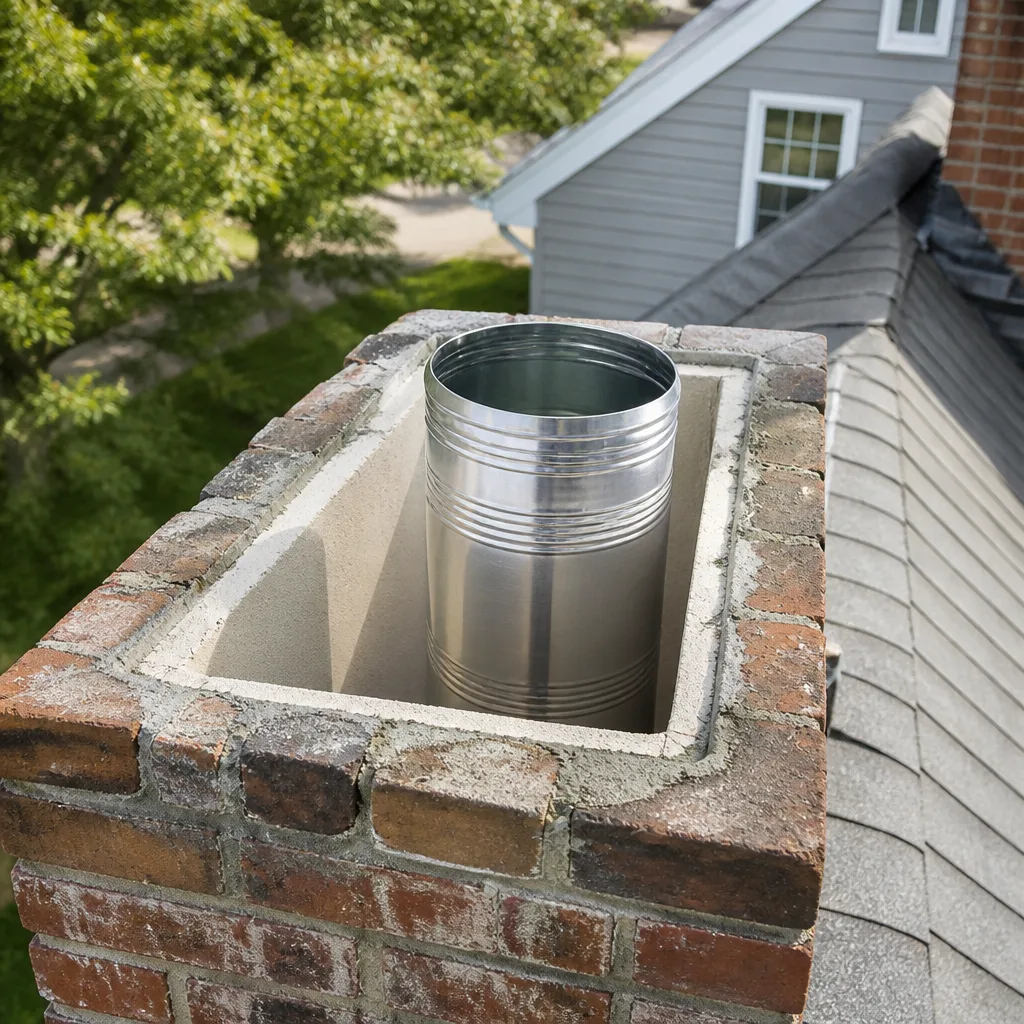 Flue relining
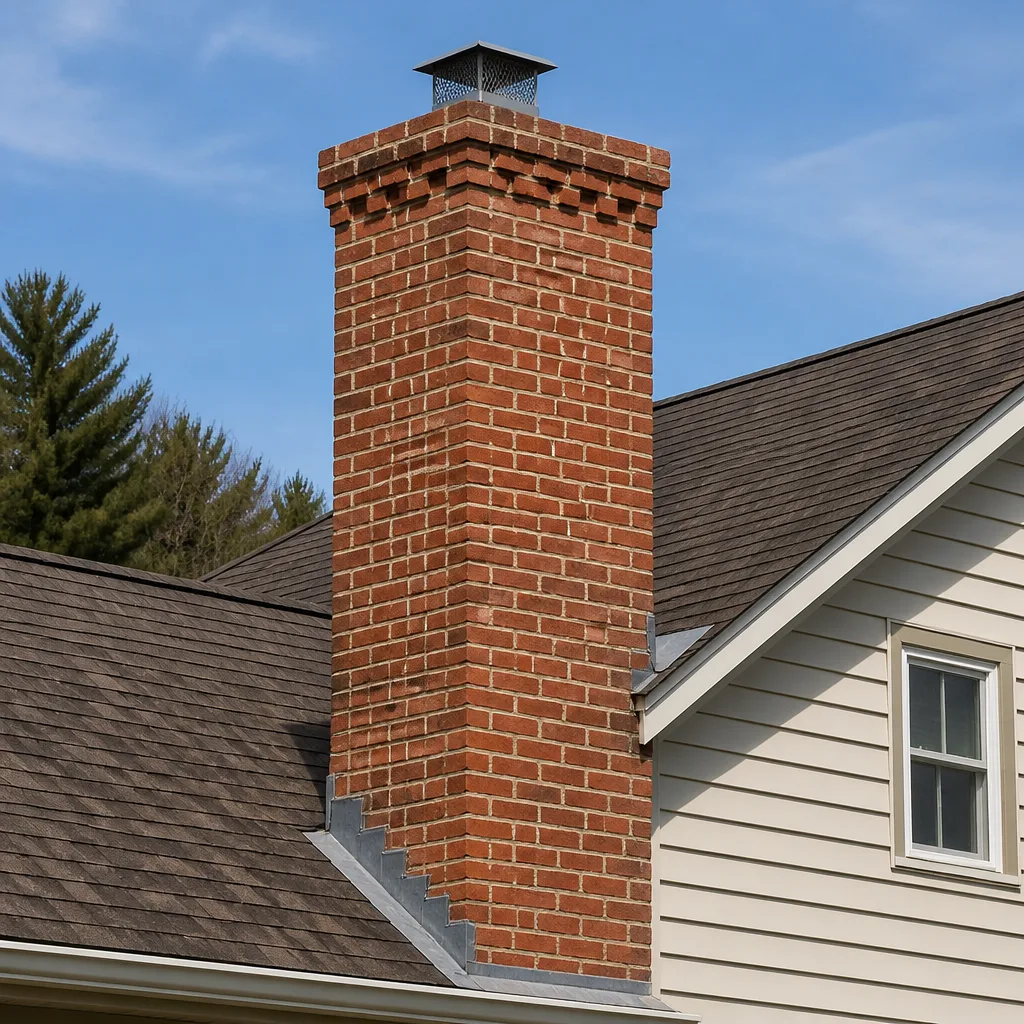 Masonry repair
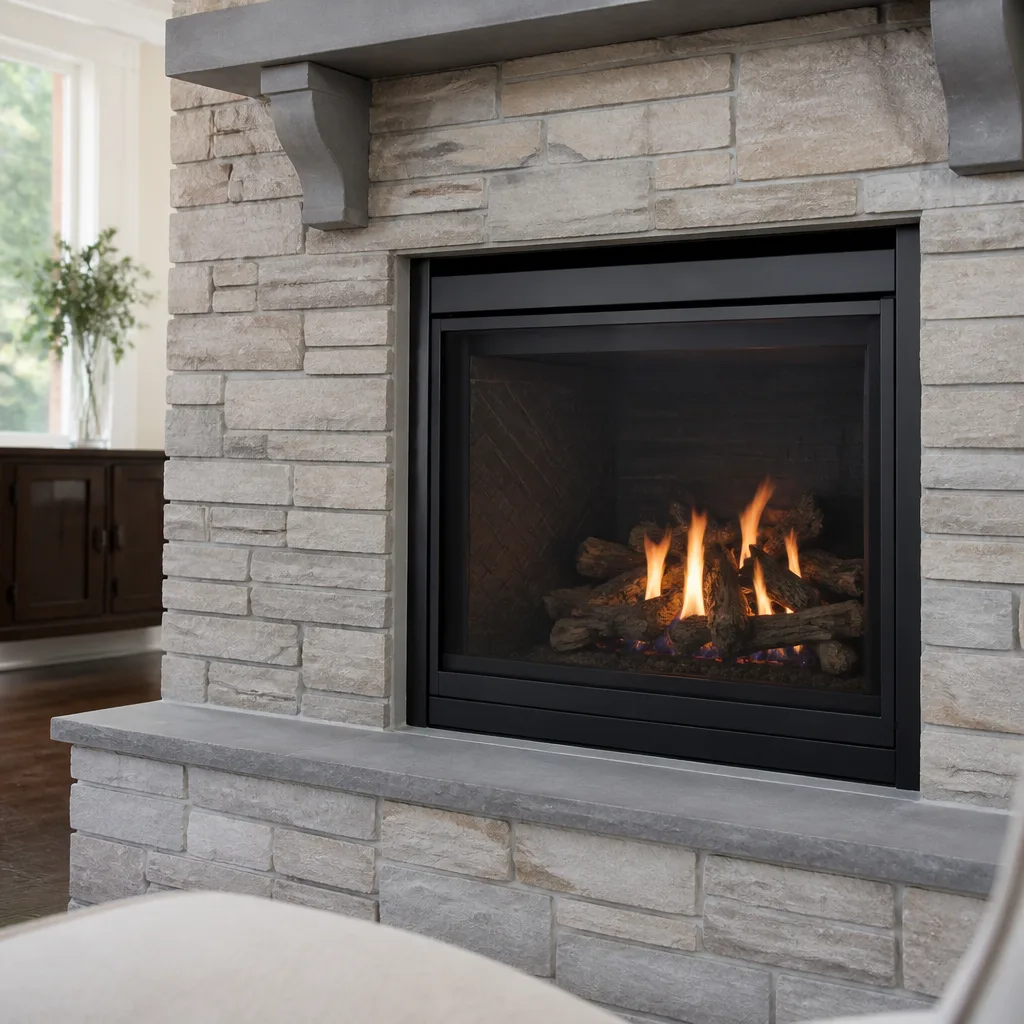 Gas fireplace service
Level 1 sweep and inspection to the NFPA 211 annual standard - flue, crown, cap, and flashing checked and photographed
Chimney sweep logs do not sweep chimneys. They loosen some creosote - which then falls where a brush and vacuum still have to collect it.
Chimney Cleaning Permits, Codes & Inspections in St. George, NY: What You Need to Know
Nobody pulls a permit to sweep a flue. That’s the part that trips people up. But if that sweep uncovers a cracked liner and the repair gets done the same week without a permit, you may now have an undisclosed material defect sitting in your house paperwork, one that surfaces at resale, at an insurance claim, or when a buyer’s inspector asks a question nobody can answer. In St. George, where much of the housing stock predates modern liner standards, this happens more than it should. This guide covers where maintenance ends and permitted repair begins, how NFPA 211 inspections fit into the picture, and what to ask before anyone touches your chimney.
Quick Answer
Routine chimney cleaning in St. George generally does not require a permit. But liner replacement, crown reconstruction, and changes to the flue or chimney structure usually fall under New York City building code as repair or alteration work, which does require a permit. An NFPA 211 Level 2 inspection documents the condition of the system and is the record buyers, insurers, and inspectors rely on. When in doubt, ask the local contractor to state in writing whether the work is permitted, and confirm the requirement with the NYC Department of Buildings before the job starts.
Styles & brands we work with
- Sweep & inspection
- Caps & crowns
- Flue relining
- Masonry repair
- Gas fireplace service
Table of Contents
- Maintenance vs. Repair: Where the Permit Line Falls
- What NYC Building Code Says About Chimney Work
- NFPA 211 Inspection Levels and What They Document
- How Unpermitted Chimney Work Shows Up at Resale
- How to Verify Existing Chimney Work Was Permitted
- What to Ask a Contractor Before Work Begins
- Who Is Legally Responsible If Work Is Unpermitted?
- Why This Matters More in St. George
Maintenance vs. Repair: Where the Permit Line Falls
The simplest way to think about it: maintenance keeps the chimney working the way it was built, and repair changes what was built. Most of what a chimney sweep does in St. George is maintenance. The soot goes out the door, the cap gets checked, the damper gets looked at, and nothing about the structure of the flue is altered. No permit is triggered because nothing has been altered.
Here’s how the split usually plays out:
- No permit typically required: annual sweeping, Level 1 inspection, cap replacement with a same-size cap, damper adjustment, firebox cleaning, minor mortar touch-up on accessible joints.
- Permit typically required: full liner installation or replacement, crown reconstruction, flue resizing, removal or addition of a flue, structural repair to the chimney chase, changes that affect clearances to combustibles.
The tricky middle is resurfacing. HeatShield, for example, restores a deteriorating flue liner without pulling the old liner out, and how that work is classified can vary by scope: a pure resurfacing of an intact clay flue is often handled as maintenance, while anything that reconstructs or relines the flue crosses into repair. We’ve watched more than one homeowner get surprised at resale because a resurfacing job was treated as maintenance by one contractor and as repair by the next. The lesson is to get the classification in writing before the work starts.
If you’re still sorting out whether your chimney needs cleaning or something more, start with a chimney sweep and a documented inspection. That establishes what you actually have before anyone quotes a repair.
What NYC Building Code Says About Chimney Work
St. George sits inside New York City, which means the NYC Building Code and the NYC Department of Buildings govern chimney and fireplace work here. The code doesn’t have a special section just for sweeps, because sweeps aren’t building work. What it does regulate is the installation and alteration of chimneys, flues, and venting systems, and any structural changes to those components trigger permitting under the alteration provisions of the code.
Practically, that means a few things for St. George homeowners:
- A permit application generally requires a licensed contractor to file. A homeowner can sometimes file as an owner-builder for their own single-family home, but most insurers and buyers want to see a licensed professional on the record.
- Work that changes the size, shape, or material of a flue is treated as alteration, not maintenance.
- Crown reconstruction and work that affects the structural integrity of the chimney chase is alteration territory.
- Work that leaves the chimney as it was, only cleaner or with like-for-like replacement of a cap, usually isn’t.
Code language is jurisdiction-specific and changes over time, so we always recommend confirming the exact requirement with the NYC Department of Buildings before signing anything. What we can say from experience is that the DOB draws a fairly clean line between maintenance and alteration, and that line is closer to “anything structural” than most homeowners expect.
One more layer: if your home is in a historic district in or around St. George, exterior work on a chimney may also require approval from the Landmarks Preservation Commission before a building permit is issued. That applies to visible changes to the chimney stack, cap, or crown, not to interior sweeping.
NFPA 211 Inspection Levels and What They Document
NFPA 211 is the national standard for chimneys, fireplaces, vents, and solid fuel-burning appliances, and it defines three inspection levels. The level determines what gets looked at and, importantly, what gets written down. For any St. George homeowner thinking about resale, insurance, or a recent problem, the documentation itself matters as much as the inspection.
- Level 1: A visual inspection of accessible portions of the chimney and connected appliance during a routine sweep. Appropriate when the chimney is in continued service and nothing has changed.
- Level 2: A more thorough inspection that includes accessible portions of the attic, crawlspace, and other areas, and typically includes a video scan of the flue interior. Required when a property changes hands, when an appliance or fuel type changes, or after an event (a chimney fire, a lightning strike, a building fire nearby) that could have caused damage.
- Level 3: A diagnostic inspection that may involve opening walls or removing parts of the chimney to reach concealed areas. Used when a Level 2 finds a concern that can’t be resolved without access.
The documentation part is where homeowners get caught out. A Level 2 inspection produces a photo report and a written assessment that names what was found and what wasn’t. That record is what a buyer’s inspector will ask for, what an insurance adjuster will want after a claim, and what a future contractor will read before quoting work. A sweep with no written record leaves the next person guessing.
We include camera inspection and a photo report with the work we do in St. George, because a homeowner shouldn’t have to take anyone’s word for what’s inside their own flue. If a contractor tells you a liner is failing, ask to see the footage. If they can’t produce it, get a second opinion.
For a deeper look at what routine upkeep involves, see our guide on scheduling Chimney Sweep St. George.
How Unpermitted Chimney Work Shows Up at Resale
Unpermitted chimney work doesn’t announce itself. It sits quietly until a transaction forces it into the open. When a St. George home goes on the market, the buyer’s inspector will typically flag a few things: a liner that doesn’t match the venting for the appliance, a crown that was rebuilt without documentation, a chimney cap installed with a different footprint than the original. None of those items is automatically a problem, but each one becomes a question the seller has to answer.
Here’s how it usually surfaces:
- Buyer inspection contingency: The inspector notes the discrepancy and the buyer asks for documentation. If the seller can’t produce a permit or a Level 2 report, the buyer either walks or negotiates a credit. Either way, the seller absorbs the cost.
- Title insurance: Title insurance covers title defects, not code compliance or unpermitted work. It won’t rescue a seller from a permit problem. Some title companies will raise the issue if a permit was opened and never closed, and that open permit can hold up closing until it’s resolved.
- Certificate of Occupancy or compliance: A home with a fireplace that’s been altered without a permit can create a compliance question. NYC generally requires the appropriate filings and inspections to close out permitted work, and an open or missing permit can complicate a sale.
- Insurance claims: If a chimney fire or carbon monoxide incident follows unpermitted liner work, an insurer may raise questions about whether the work was code-compliant. That can delay or complicate a claim.
We’ve seen sellers in St. George end up paying for a retroactive inspection and, in some cases, redoing work to bring it into compliance, simply because a permit wasn’t filed at the start. A permit at the front end of a liner job is almost always cheaper than the paperwork at the back end.
How to Verify Existing Chimney Work Was Permitted
If you’re buying a home in St. George, or you just bought one and want to know what’s been done to the chimney, verification is a matter of records and inspection. The records tell you what was filed. The inspection tells you what was actually built. You want both.
- Pull the DOB record. Search the NYC Department of Buildings online records for the property address. You’re looking for filed permits, open permits, and completed inspections. An open permit on a chimney is a red flag you can resolve before closing.
- Request the inspection history. If the seller has a Level 2 inspection report, ask for it. If not, commission one. A Level 2 inspection with photos is the single best piece of documentation to have before you take ownership.
- Compare the report to the record. A report that says the liner was installed two years ago, followed by a DOB record with no permit on file, tells you the work was unpermitted. That doesn’t mean it’s wrong. It means it’s unverified.
- Ask for the contractor’s name and license. Reputable work is usually traceable. If the seller can’t name who did the work or provide any documentation, treat the chimney as a system with an unknown history and budget accordingly.
- Get a second opinion before you renovate. If you’re planning to line, reline, or rebuild the chimney after closing, start with a clean assessment rather than assuming the existing work is sound.
If you’re buying and the inspection is inconclusive, our team at Chimney Sweep St. George can arrange a documented Level 2 inspection. Ask for the photo report; a purchase decision should never rest on a verbal summary.
What to Ask a Contractor Before Work Begins
A good contractor will welcome these questions. A poor one will get vague. Either answer tells you something useful.
- “Is this work being filed with the DOB? If so, under which classification?” The answer should be specific. Maintenance or alteration, and if alteration, the permit will be filed before work starts.
- “Will you be pulling the permit, or will I?” For most St. George homeowners, the contractor pulls it. You want that on the record.
- “What’s the scope in writing?” A written scope should name the liner material (DuraFlex flexible liner, or whatever the system calls for), the crown method, and any resurfacing product (HeatShield, for example). Vague scopes are how unpermitted work starts.
- “What documentation will I receive when the work is done?” You want the permit number, inspection sign-off, and a written record of the materials used.
- “Who handles the final inspection?” The contractor should own the close-out. If they hand it back to you, that’s a warning sign.
- “What happens if the inspection reveals something the permit didn’t cover?” A good answer involves stopping, revising the scope, and amending the permit, not pushing ahead quietly.
Materials matter too, and it’s fair to ask what’s being installed. We work with professional-grade chimney products including DuraFlex flexible liners, HeatShield resurfacing systems, Famco caps, and Copperfield components, and we’re happy to name the product going into your flue before you approve the estimate. If a contractor won’t tell you the material, that’s an answer in itself.
Who Is Legally Responsible If Work Is Unpermitted?
This is the question most homeowners never think to ask, and it’s the one that matters most when something goes wrong. In NYC, the permit holder is legally responsible for the work being done to code. If the contractor pulled the permit, the contractor carries that responsibility. If the homeowner pulled an owner-builder permit and hired a contractor to do the work, the homeowner can end up carrying it.
That’s why the filing question isn’t a technicality. When a licensed contractor files and closes out a permit, there’s a paper trail that shows who did what and that the work was inspected. When nobody files, every party in the chain is exposed:
- The contractor faces licensing and enforcement consequences.
- The homeowner carries an unpermitted alteration on the property record, which follows the house, not the person who ordered the work.
- A future buyer inherits the problem and the cost of resolving it.
- An insurer may dispute a claim tied to the unpermitted work.
One practical safeguard: keep the paperwork. Permit number, contractor name and license, inspection sign-off, product names. If you ever sell, those documents answer the buyer’s question before they ask it.
For chimney cap and crown work in St. George, which is often where the permit question gets murkiest, see our page on chimney cap & crown for what’s typically classified as maintenance versus reconstruction.
Why This Matters More in St. George
St. George has a housing mix that makes chimney documentation unusually important. The neighborhood includes a substantial stock of older row houses and detached homes, many with masonry fireplaces that have been through more than one round of repairs over the years. When a flue was relined decades ago, whether it was permitted is often unknown. When it was resurfaced five years ago, whether the product was applied by a trained installer is often unverified.
The local climate adds to it. St. George sees freeze-thaw cycles through the winter, and masonry chimneys in that environment take a beating at the crown and the shoulder of the stack. Cracks that open in a cold snap tend to widen by spring. That’s exactly the kind of damage that gets repaired quickly and, sometimes, without a permit. The repair itself may be reasonable. The lack of documentation is the problem.
We’ve watched the same pattern repeat: a homeowner in St. George gets a fast fix, the fix works, and then six years later a buyer’s inspector asks for the paperwork and there isn’t any. The cost of pulling a permit at the time was modest. The cost of resolving it later, whether through retroactive inspection, rework, or a price reduction at sale, is not.
Fireplace repair work has the same dynamic. A firebox rebuild or damper replacement that touches the chimney structure is usually alteration, not maintenance, and the same rules apply. Our fireplace repair page walks through what’s typically involved.
Common Mistakes to Avoid
- Assuming “it’s just a liner” means no permit. A liner replacement changes the venting system, and that’s alteration work in most jurisdictions. Ask before the liner goes in, not after.
- Letting a sweep-and-repair get bundled into one visit. A sweep is maintenance. If the sweep reveals a problem the technician wants to fix that day, ask for a written scope and the permit status before agreeing. In St. George, we recommend the documentation step happen before any structural work.
- Accepting a verbal “it’s fine.” A chimney’s condition is only as reliable as the documentation behind it. If you can’t see the camera footage or read the report, you don’t have a record.
- Skipping the permit to save time before a sale. An open or missing permit is one of the things a title search or buyer’s inspector can surface, and it can hold up closing. Pulling the permit before the sale is far simpler than resolving it during escrow.
- Assuming the home warranty or title policy will cover it. Neither typically covers unpermitted work or code compliance. Read the exclusions before you rely on them.
- Not verifying the contractor’s license. NYC requires licensed contractors for permitted work. Check the license before signing, not after the work is done.
- Ignoring the historic district overlay. If your St. George home is in a historic district, exterior chimney changes may also need Landmarks approval. Delaying that application can stall the whole project.
See the difference
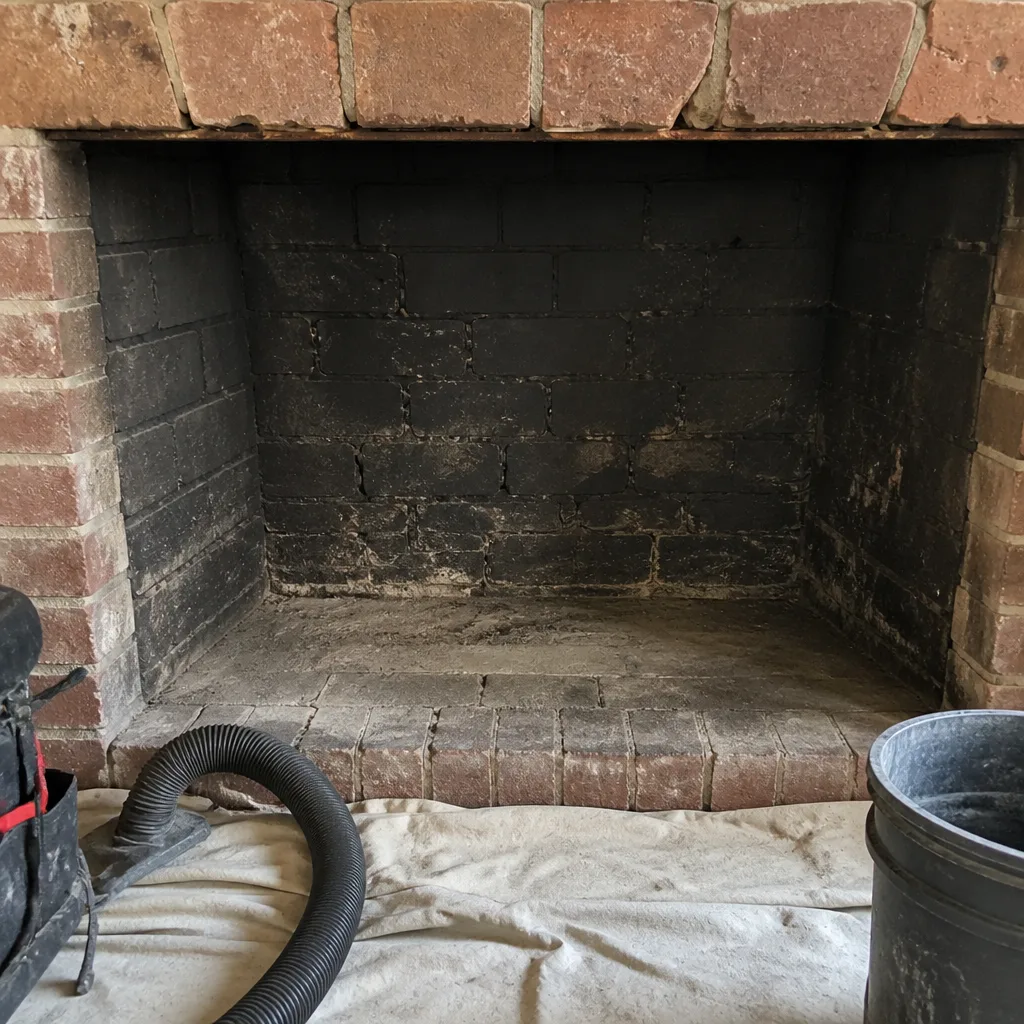 Before
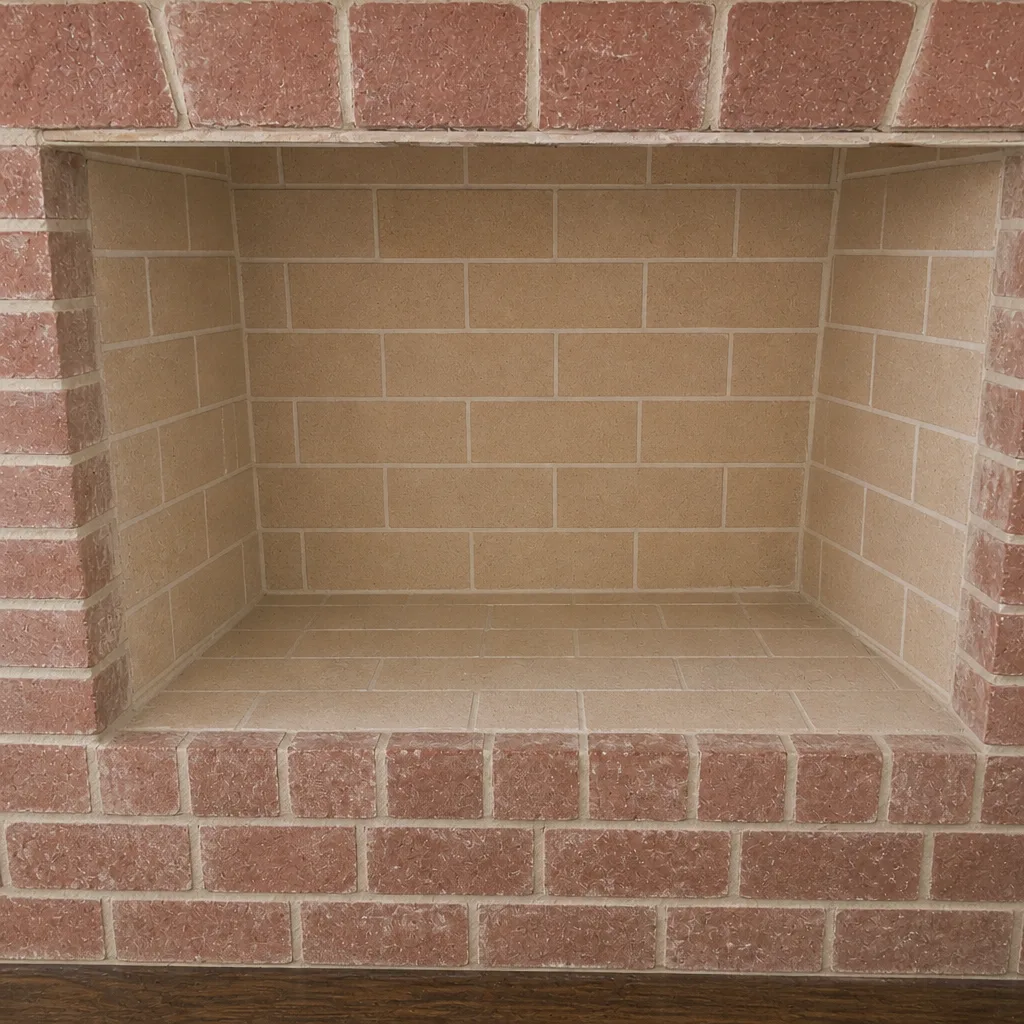 After
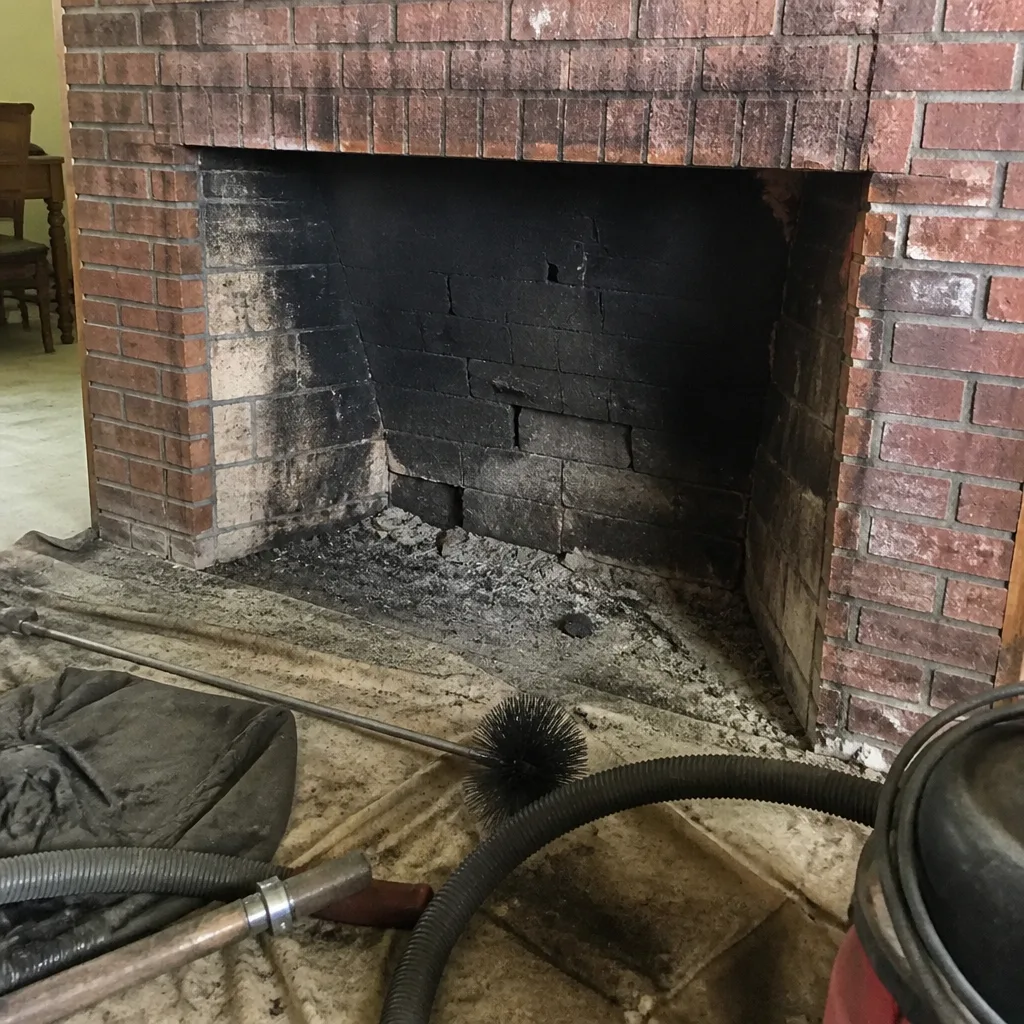 Before
 After
 Before
 After
When to Call a Professional
An annual sweep and inspection is the baseline, and every wood-burning chimney in St. George should have one. Call a professional if you’re buying or selling a home and don’t have a Level 2 report on file. Call if your insurer is asking for documentation after a claim. Call if a previous contractor told you a liner needed replacing and you want a second opinion with camera footage. Call if you’ve moved into a home with a chimney you’ve never used and want to know what’s actually in it. And call if it’s been more than a year since the last cleaning, especially if you burn wood regularly. Chimney Sweep St. George offers free estimates in St. George. Call (855) 560-5292. We answer 24/7. Fast dispatch from 7am to 7pm, Sunday through Friday.
Frequently Asked Questions
No. Routine chimney sweeping is maintenance, not an alteration to the building, so no permit is required. The permit question only arises when the sweep uncovers a repair or change to the flue, crown, or chimney structure. If you’re booking a sweep, you don’t need to file anything. Call (855) 560-5292 for an exact quote on a sweep and inspection. Estimates are free.
Usually, yes. A liner replacement changes the venting system of the chimney, which NYC treats as alteration work, and alteration work requires a permit. The permit should be filed before work begins and closed out with an inspection afterward. Confirm the exact classification with the NYC Department of Buildings for your specific scope. Call (855) 560-5292 to discuss your liner project. Estimates are free.
A Level 1 inspection is a visual check of accessible portions of the chimney during routine service. A Level 2 inspection is more thorough, includes a video scan of the flue interior, and is typically required at property transfer, after a chimney fire, or when the appliance or fuel type changes. Level 2 is also the inspection that produces the documentation buyers and insurers want. If you need a documented Level 2, call (855) 560-5292. Estimates are free.
Search the property address in the NYC Department of Buildings online records. You’re looking for filed permits, open permits, and completed inspections on the chimney. Then compare that record to a Level 2 inspection report, which tells you what was actually built. A report with no corresponding permit means the work was unpermitted. Call (855) 560-5292 if you want help arranging the inspection. Estimates are free.
It can. A buyer’s inspector will often flag discrepancies between the chimney’s condition and the permit record, which can trigger a negotiation, a credit, or a walk-away. Open permits can also hold up closing until they’re resolved. Resolving the permit before listing is generally simpler than resolving it during escrow. Call (855) 560-5292 for a documented inspection. Estimates are free.
Whoever holds the permit is responsible for the work being code-compliant. If no permit was filed, that responsibility doesn’t disappear; it just becomes unclear and gets distributed across the contractor, the homeowner, and eventually the buyer. That’s why it’s worth confirming before work starts who is filing. Call (855) 560-5292 to talk through a project. Estimates are free.
The Bottom Line
Sweeping a flue doesn’t require a permit, but changing one does. In St. George, that distinction matters because so much of the housing stock has a chimney history that isn’t fully documented, and unpermitted liner or crown work tends to surface at the worst possible moment: a sale, a claim, or an inspection. Get the classification in writing before work begins. Keep the permit number, the inspection sign-off, and the product names. Commission a Level 2 inspection if you’re buying, selling, or simply unsure what’s in your chimney. The cost of the paperwork up front is almost always smaller than the cost of resolving the paperwork later. Our technicians have up to 14 years of experience, and we’re glad to walk through your specific system with you.
Call (855) 560-5292 for a free estimate. We answer 24/7. Fast dispatch from 7am to 7pm, Sunday through Friday.
Written by the team at Chimney Sweep St. George.