
Last updated November 23, 2026
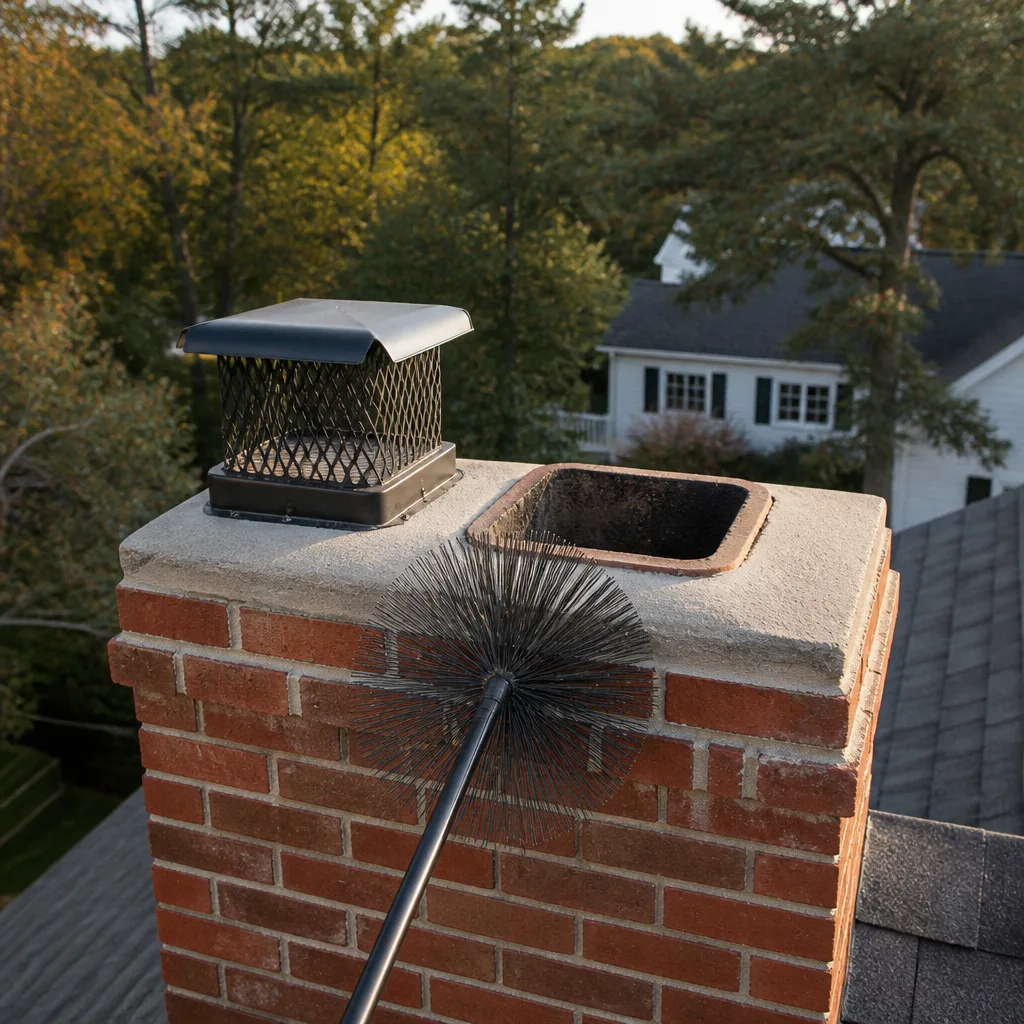 Sweep & inspection
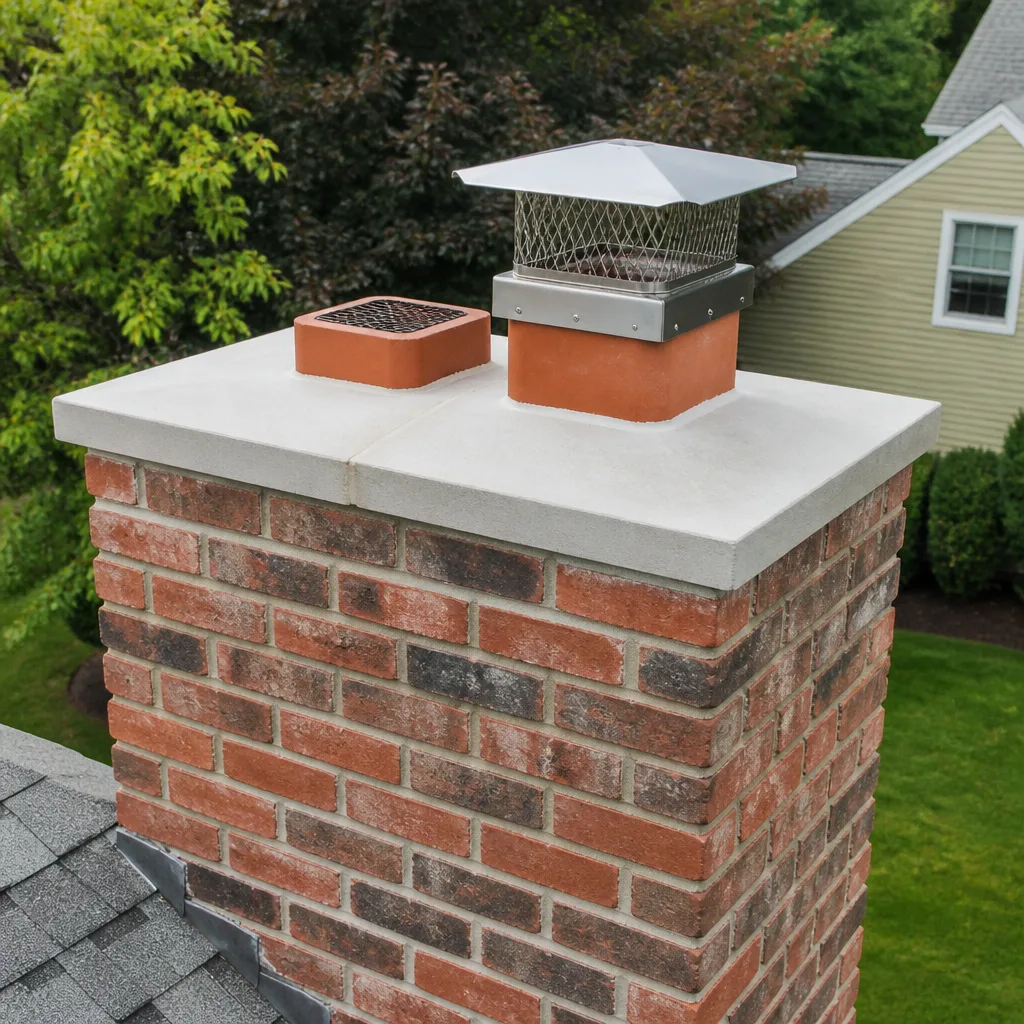 Caps & crowns
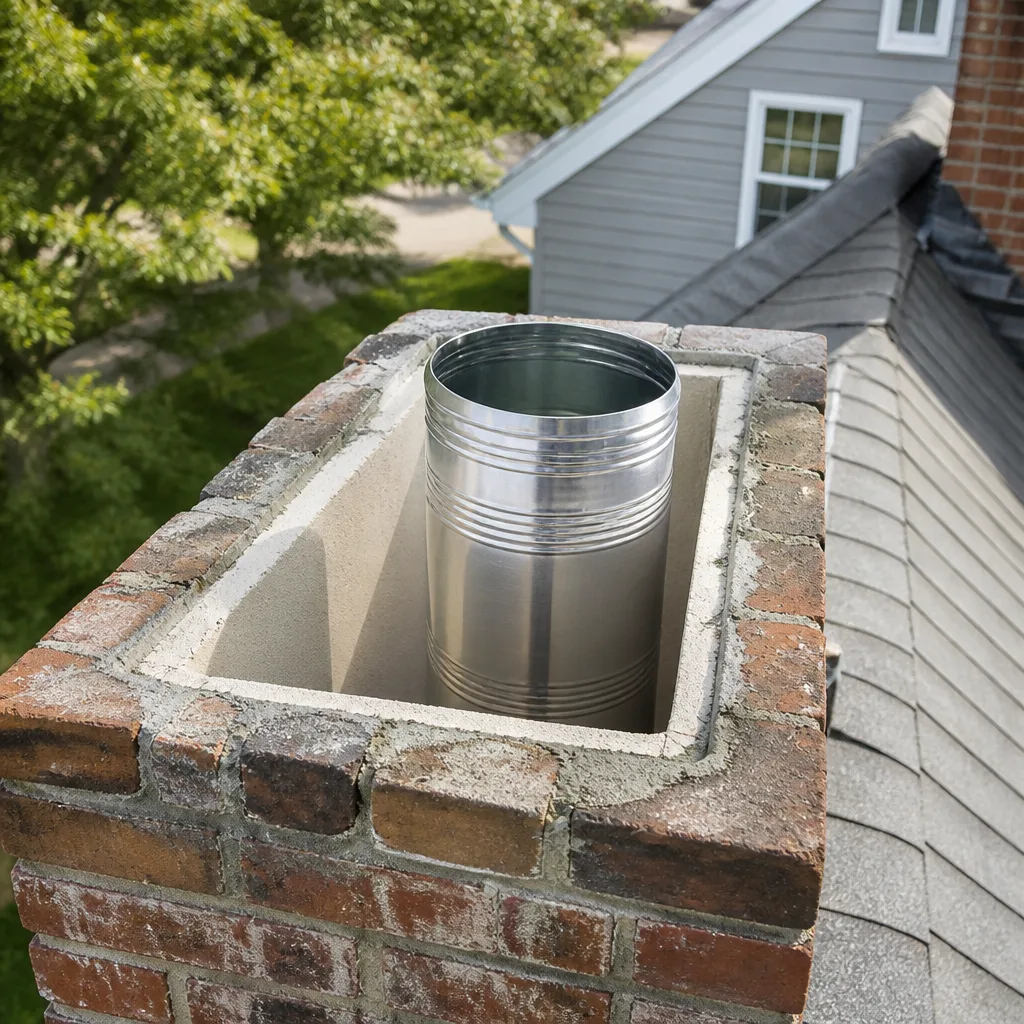 Flue relining
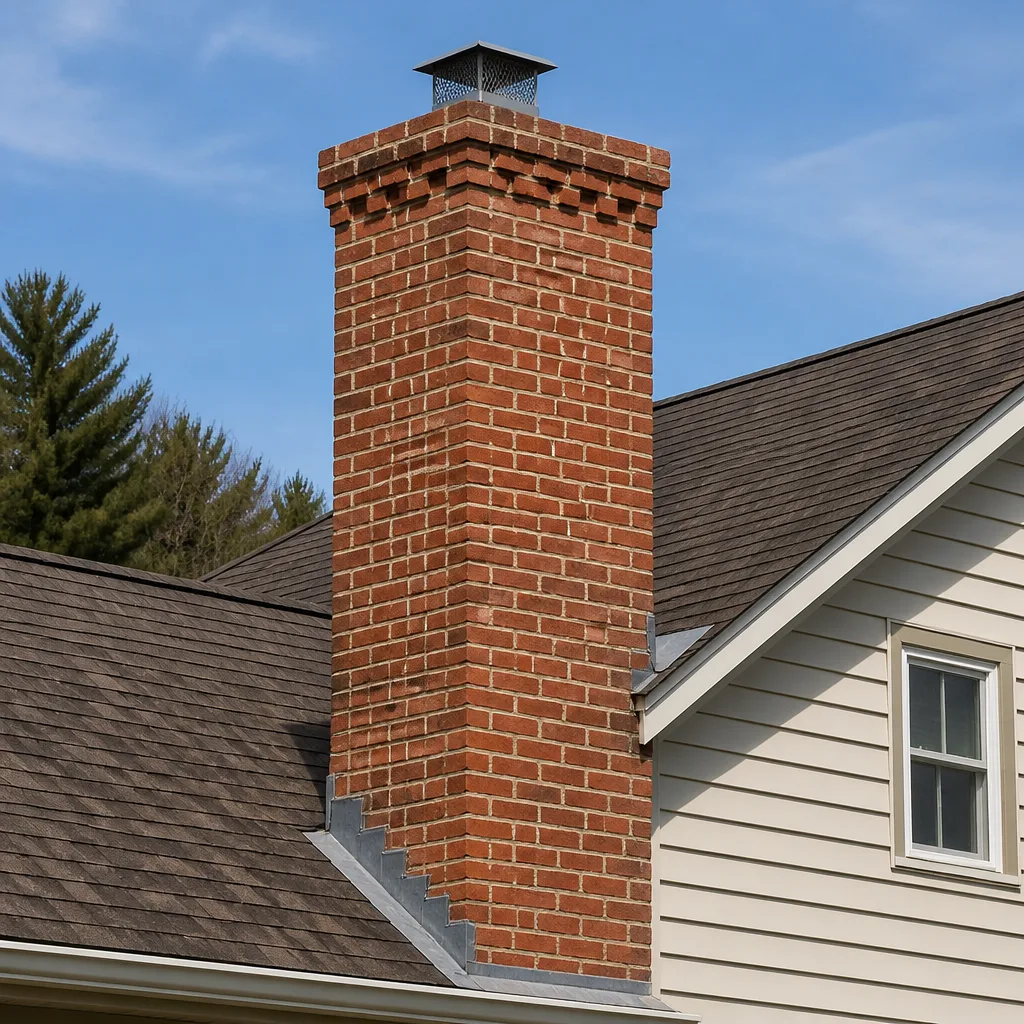 Masonry repair
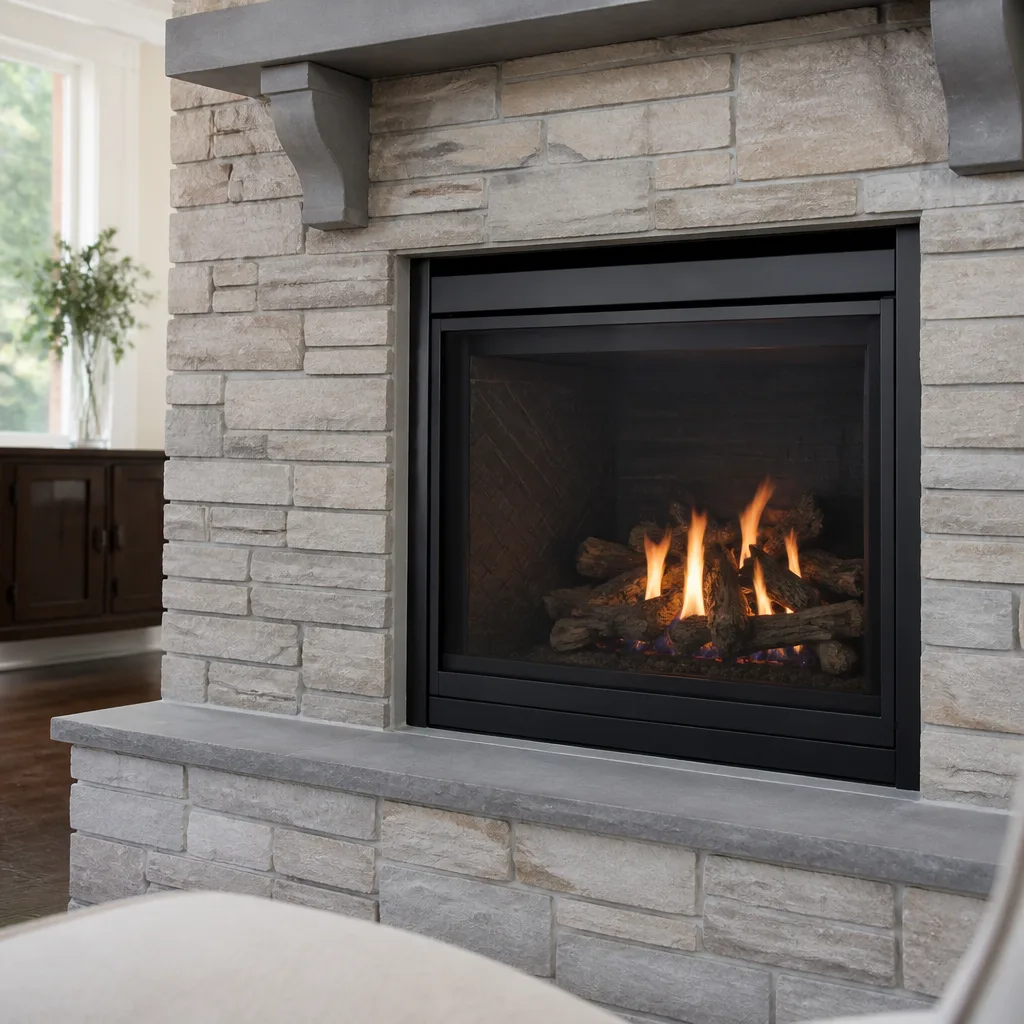 Gas fireplace service
Level 1 sweep and inspection to the NFPA 211 annual standard - flue, crown, cap, and flashing checked and photographed
Chimney sweep logs do not sweep chimneys. They loosen some creosote - which then falls where a brush and vacuum still have to collect it.
Chimney Sweep Maintenance Checklist for St. George Homeowners
A checklist that says “schedule annual cleaning” isn’t a maintenance tool. It’s a reminder app. The version that actually protects your home tells you what failure looks like before you pick up the phone: the hairline crack in the crown after a hard freeze, the damper that hangs a quarter-inch open, the faint creosote smell that shows up on a warm day in July. This guide gives St. George homeowners a condition-based checklist, not a calendar-based one. You’ll learn what to look at, what passes, what fails, and how to log it all so a technician can spot a trend instead of just responding to whatever happened last week.
Quick Answer
A practical chimney maintenance checklist for a St. George home has six checkpoints: the firebox and flue (sight and smell), the damper seal, the cap, the crown, the exterior masonry, and the draft. Check them twice a year, once before heating season and once after a hard freeze, and write down what you see. Anything that fails a checkpoint is a call to a chimney professional, not a repair to attempt yourself.
Styles & brands we work with
- Sweep & inspection
- Caps & crowns
- Flue relining
- Masonry repair
- Gas fireplace service
Table of Contents
- Checkpoint 1: Inside the Firebox (What You Can Safely See)
- Checkpoint 2: The Damper Seal Test
- Checkpoint 3: Cap and Crown After Freeze-Thaw
- Checkpoint 4: Exterior Masonry and Flashing
- Checkpoint 5: Odor and Draft Indicators
- Checkpoint 6: Ground-Level Walkaround
- How to Log Your Findings So a Technician Can Read Them
- Common Mistakes to Avoid
Checkpoint 1: Inside the Firebox (What You Can Safely See)
Start at the firebox door. This is the only part of the flue most homeowners should ever inspect directly, and that’s deliberate. Standing on a roof, leaning into a flue, or reaching up past the damper are all jobs for someone with the training and the equipment. But you can learn a lot from a flashlight and your own eyes at the firebox opening.
Open the damper, shine the light up the smoke chamber, and look for three things. First, the flue walls: they should read as even, dry, and gray-black. What fails is a shiny, glazed, tar-like coating. That shiny layer is creosote in its hardest form, the kind that ignites more readily than the powdery soot at the top. Second, the smoke shelf just above the damper: it should be clear. What fails is a shelf loaded with soot, leaves, or a nest, which restricts draft and can push smoke back into the room. Third, the firebox brick and mortar joints: they should be tight and sound. What fails is crumbling mortar, loose brick, or white, chalky staining on the brick face, which suggests moisture working through the chimney from the outside.
None of these findings means you need to do anything yourself. They mean you now have something concrete to describe when you call. That matters more than most homeowners realize. A technician who hears “glazed creosote in the lower flue, smoke shelf partly blocked” walks in knowing what tools and which liner product to bring; a technician who hears “the chimney seems off” has to start from zero.
Pass / Fail at a Glance
- Pass: Flue surface is matte, dry, and evenly coated in light soot.
- Fail: Flue surface is shiny, tar-like, or puffy. Call before the next fire.
- Pass: Smoke shelf is clear and dry.
- Fail: Smoke shelf holds debris, nests, or standing moisture. Call before the next fire.
- Pass: Firebox mortar joints are tight and uniform.
- Fail: Loose brick, crumbling joints, or white efflorescence on the face. Schedule an inspection.
Checkpoint 2: The Damper Seal Test
A damper that doesn’t fully close isn’t a small annoyance. It’s a permanent hole in your house’s thermal envelope, sitting directly over the firebox and open to the outside air through the flue. In St. George, where summer afternoons push past 100 degrees and winter nights drop well below freezing, that matters in both directions: a leaking damper pulls cold air in all winter and lets cooled air escape all summer.
Here’s the test. With the fireplace cold and no fire lit, close the damper fully. Then shine a flashlight up from inside the firebox and look for any light visible around the damper plate and its frame. A properly sealed damper shows no light at all. Next, hold your hand just under the damper plate and feel for a draft coming down while the furnace or AC is running. Any steady airflow is a leak.
A damper that passes both tests is working. What fails is any of the following:
- The handle turns but the plate hangs open on one side.
- The plate seats, but light shows around a gap wider than a credit card.
- The handle spins freely without any resistance, meaning the linkage has disconnected.
- You can hear the plate rattling in the wind.
A failed damper is a repair, not a cleaning. It sits squarely in the territory of fireplace repair, which is usually a same-visit fix on a top-sealing or throat-style damper. Don’t try to bend the plate, shim the frame, or force the linkage back into place. The parts are thin steel and cast iron, and a wrong move can drop the plate down the flue or wedge it open.
Checkpoint 3: Cap and Crown After Freeze-Thaw
St. George’s winter is not a long, steady freeze. It’s an alternating cycle: sunny afternoons thaw the roof and masonry, clear nights drop below freezing, and moisture that soaked into the crown and brick freezes, expands, and pushes outward. That freeze-thaw pattern is the single biggest driver of crown spalling here, and it produces a very specific set of visible symptoms.
From ground level with binoculars, or from a safe second-story window with a clear view of the chimney top, look at the crown: the concrete or mortar cap that sheds water away from the flue. What passes is a crown with a smooth, intact surface and a visible slope away from the flue. What fails is any of the following:
- Hairline cracks running from the flue outward toward the edge.
- Patches where the surface has chipped away, exposing aggregate underneath (spalling).
- White or gray chalky patches on the brick just below the crown.
- A visible gap at the crown-to-flue joint.
- Any spot where a plant or moss is growing in a crack.
Check the cap at the same time. The cap is the metal or masonry hood that keeps rain, birds, and sparks out of the flue. It should sit level, be firmly attached on all four sides, and have intact mesh screen. A cap that has blown loose, rusted through, or lost its screen lets moisture and animals directly into the flue and starts internal damage that no cleaning can reverse. Crown and cap work is a structural repair tier, not a sweep, and it’s covered under chimney cap & crown work because both fail in the same freeze-thaw cycle and are usually addressed together.
Check Your Crown After Every Hard Freeze
Mark the calendar twice: once in late fall, once after the last hard freeze of the winter. Those are the two moments when new crown damage is most likely to have appeared. Log what you see, even if it looks fine. The log is what a technician will read to tell whether a crack is new or has been stable for two seasons.
Checkpoint 4: Exterior Masonry and Flashing
Your chimney is a chimney only when it stands up in the sun. Seen from outside, it’s a masonry tower with its own structural problems, and those problems show up long before smoke starts backing up into the room. This is a dedicated chimney specialist’s territory, not a general contractor’s, because the same inspection that identifies a masonry issue also has to know whether the flue inside has already been compromised by it.
Walk the exterior with binoculars and inspect for the following. Each one is a fail, and any one of them deserves an inspection call:
- Missing mortar joints. Look for any joint recessed more than roughly a pencil’s width. The brick face should be even with a fully filled joint.
- Spalling brick. The face of the brick should be flat and solid. Spalling is a brick whose face has popped off and left a rough, lighter-colored core exposed.
- Rust stains or white streaks on the brick below the crown or the cap. Both indicate water running where it shouldn’t be.
- Failed flashing. Look where the chimney meets the roof. The metal flashing should be tight to both surfaces, and the seal should be intact. Any gap, loose edge, or lifted seal is a water entry point.
- Visible lean. Compare the chimney against the vertical edge of a door frame or the house corner. Any noticeable lean is worth an inspection.
The brick facing is the outside half of a paired system. The flue is the inside half. When brick spalls, water is entering the structure; when water enters the structure, the flue liner is at risk next. In our experience the two fail together often enough that a Leak visible on the brick is reason to look carefully at the flue liner even if the firebox still looks fine. Anything that needs resurfacing or a full liner replacement belongs in chimney repair, not a cleaning.
Checkpoint 5: Odor and Draft Indicators
Before visible damage, there are smell and draft signals. They’re subtle, they’re easy to miss when you live with them every day, and they’re the earliest warning your chimney gives.
Odor signals to log:
- A smoky or creosote smell in the room on a warm day when no fire is burning. This is a classic sign of a blocked or partially blocked flue pushing air backward when the house is warmer than the outside air.
- A strong creosote smell right after a cold rain. This often indicates water is getting past the crown or cap and soaking soot in the flue.
- A musty, mildew smell near the chimney or on the wall behind it. This is moisture inside the masonry, and it’s a structural concern.
- A drafty smell (cold air moving into the room) with the damper closed. That’s the damper leak from Checkpoint 2.
Draft signals to log:
- Smoke rolls out of the firebox opening into the room when you first light a fire, rather than rising cleanly up the flue.
- The fire burns sluggish and smoky even with dry wood and an open damper.
- A paper or tissue held near the open damper with the fireplace cold drops or flutters erratically instead of being pulled upward.
Any of these is a reason to stop using the fireplace until an inspection is done. Don’t assume it’s “just old.” A draft problem is the flue telling you something, and the cheapest outcome is finding out what while the answer is still a cleaning. Just as important, do not try to clear a suspected blockage by shoving a brush up from the firebox; a dislodged animal nest or a chunk of spalled mortar can wedge in the smoke chamber and create a worse problem than the one you started with.
Checkpoint 6: Ground-Level Walkaround
Once per season, walk the full exterior of the chimney one more time from the ground. This is the sweep of failures that only shows up at ground level, and it takes five minutes.
- Chimney base and footing. Look for cracks in the concrete or masonry where the chimney meets the house, and for any settling or gap. A separated base is a structural signal.
- Wall staining. Any dark or white streak on the siding or stucco below the chimney is water tracking down. Find where it’s starting from above; that’s a cap or crown failure, not a siding failure.
- Vegetation and debris. Leaves piled against the chimney or vines growing up it trap moisture against the masonry. This is one of the top causes of accelerated spalling here.
- The flue at the top. With binoculars, check that the flue itself is visible from the cap down, with no obvious debris blocking it.
- Bird activity. Nesting birds or a well-worn nesting route near the cap is a screen failure. Once a nest is in the flue, the flue is blocked, and that’s a fire and carbon monoxide risk until it’s cleared.
Log the walkaround alongside your interior checks. The two sets of findings combined tell the full story. A crown spalling on the outside and glazed creosote on the inside flue are related findings: water into the masonry accelerates the interior breakdown in ways that are expensive to fix and cheap to catch. A trained technician with up to 14 years of experience can read that pattern; your notebook is what lets them.
How to Log Your Findings So a Technician Can Read Them
The real leverage in a maintenance checklist is in the record, not the checklist itself. A trained eye looking at five years of notes can tell you whether a crack is new, whether a smell is new, and whether the chimney is drifting or holding. A technician looking at a single visit can only tell you whether today is a problem.
Keep a simple log. A notebook, a spreadsheet, or a note on your phone is plenty. Use this format:
- Date and season (early fall, post-winter).
- Damper test result (passed / failed / “small gap on left side”).
- Firebox result (surface description, smoke shelf condition).
- Crown and cap result (crack locations by clock position, spalling size).
- Exterior result (mortar, brick, flashing descriptions).
- Odor and draft result (any smell or smoke event, and when it happened).
- What was done since the last log entry (a cleaning, a repair, a sweep).
If you’ve ever had a chimney professionally cleaned, dig up the last report and add its date to your log. Two visits two years apart with nothing in between tell a technician something very different from a visit every year with a stable note of “crown crack on right side, unchanged.” The full-system view of Chimney Sweep St. George work is built partly on exactly this kind of history. It’s also how we know when a small crack can safely wait another season, and when it can’t.
What the Log Tells a Technician
Recurring creosote smell on warm days with no visible damage: likely a draft issue or a partially obstructed flue. One-time smell after a heavy rain plus white brick staining: likely moisture intrusion from a crown or cap failure. New draft problem after two clean seasons: likely a damper or a smoke chamber change.. Any of those three patterns points a technician directly at the right scope of work before they set foot on the roof.
Common Mistakes to Avoid
- Treating the calendar as the checklist. “Sweep once a year” is not a maintenance plan; it’s a habit. Homeowners in St. George who burn hard through the winter and light the fireplace only a dozen times a year have very different chimneys, and only a condition-based checklist catches that difference. Let what you see drive the call, not the month on the wall.
- Burning wet or unseasoned wood. It sends more moisture and more creosote up the flue than dry wood in any climate, and in the St. George freeze-thaw cycle that extra moisture drives right into the crown and brick. Split and season your wood before you burn it; don’t shortcut with what’s cheap in late fall.
- Skipping the crown check after a hard freeze. The crown is fine until it isn’t, and the failure happens overnight in a thaw-freeze window. Look at the crown the day after every hard freeze, even briefly with binoculars.
- Patching a crown with caulk or masonry paint. Short-term patches trap moisture under the surface and make the next crack worse. A crown that’s already cracking needs real crown work from someone who does it for a living.
- Ignoring a small creosote smell in July. A smoky smell on a 105-degree afternoon means the flue is pushing air into the house, not out. That’s a draft or blockage signal, and it’s cheaper to chase in July than in December.
- Letting a handyman handle liner or crown work. Liner resurfacing and crown repair are specialized; the materials matter. A generalist can make a chimney worse in an afternoon with a tube of the wrong mortar. Ask specifically whether the person you’re hiring does chimney work exclusively, and what product systems they work with.
- Not keeping notes. A log turns a one-time observation into a trend, and a trend is what lets a technician say “this can wait” or “this needs repair now” with confidence. Without it, every visit starts from scratch.
See the difference
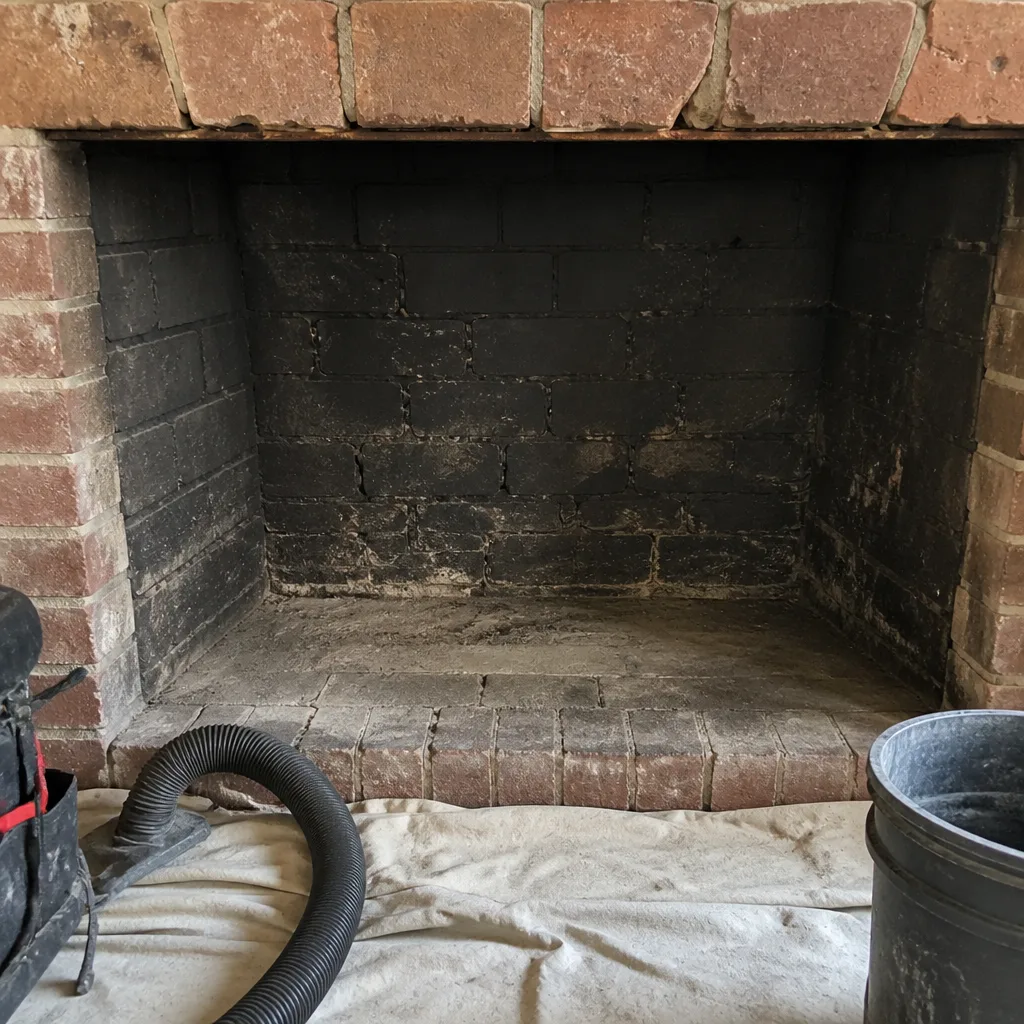 Before
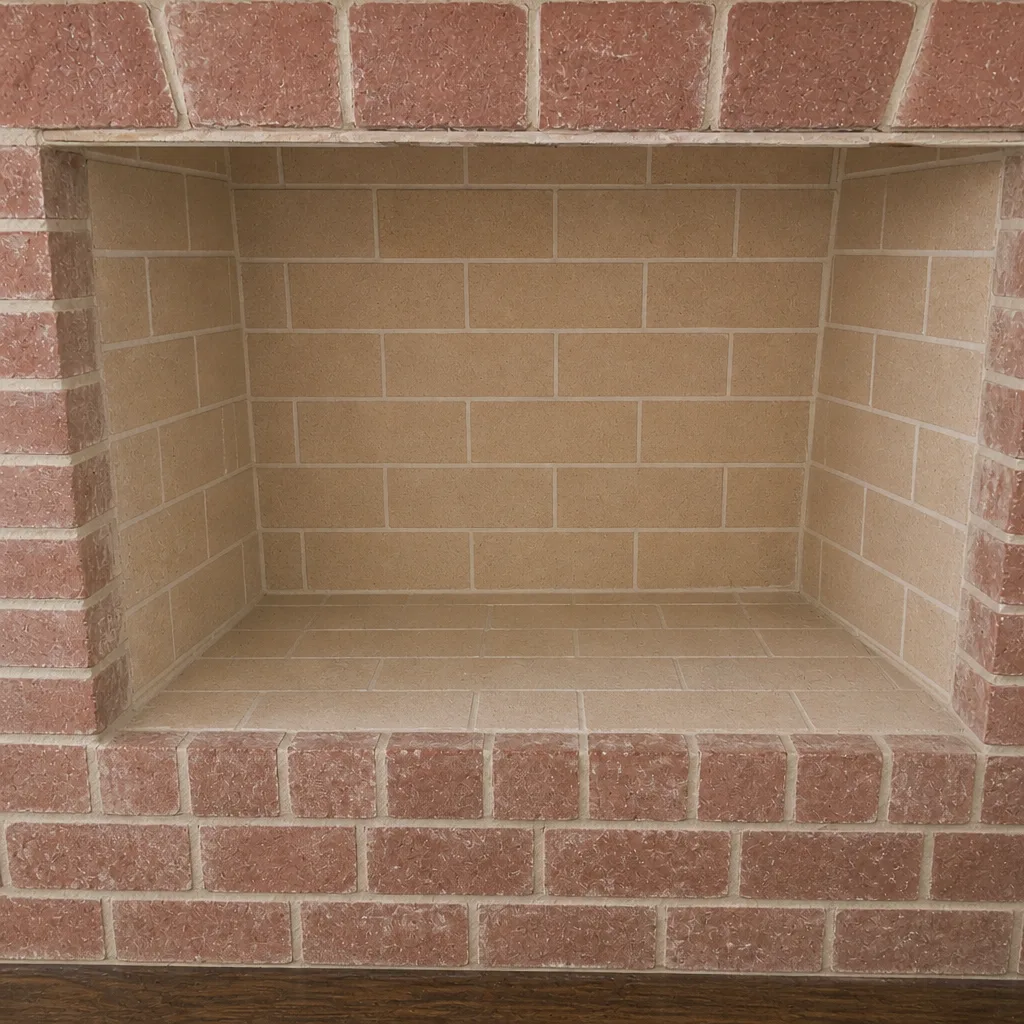 After
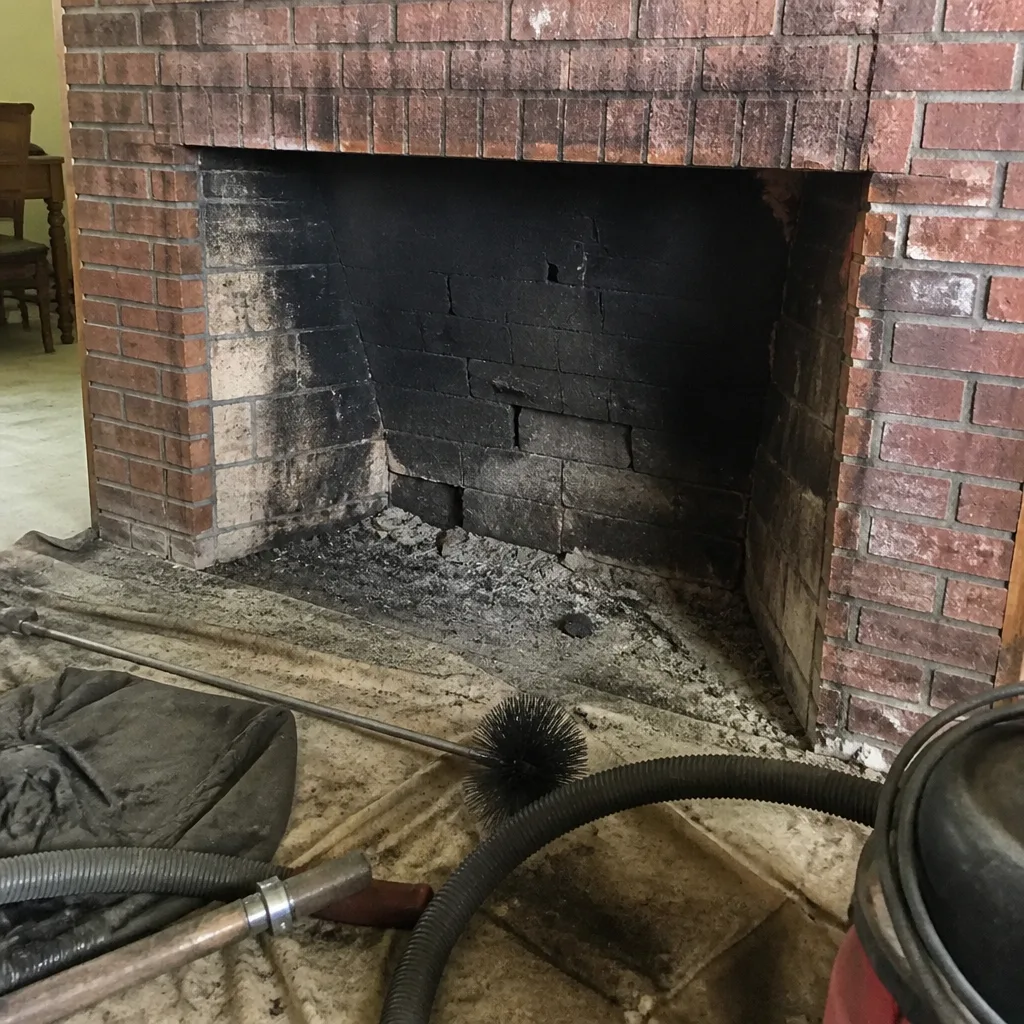 Before
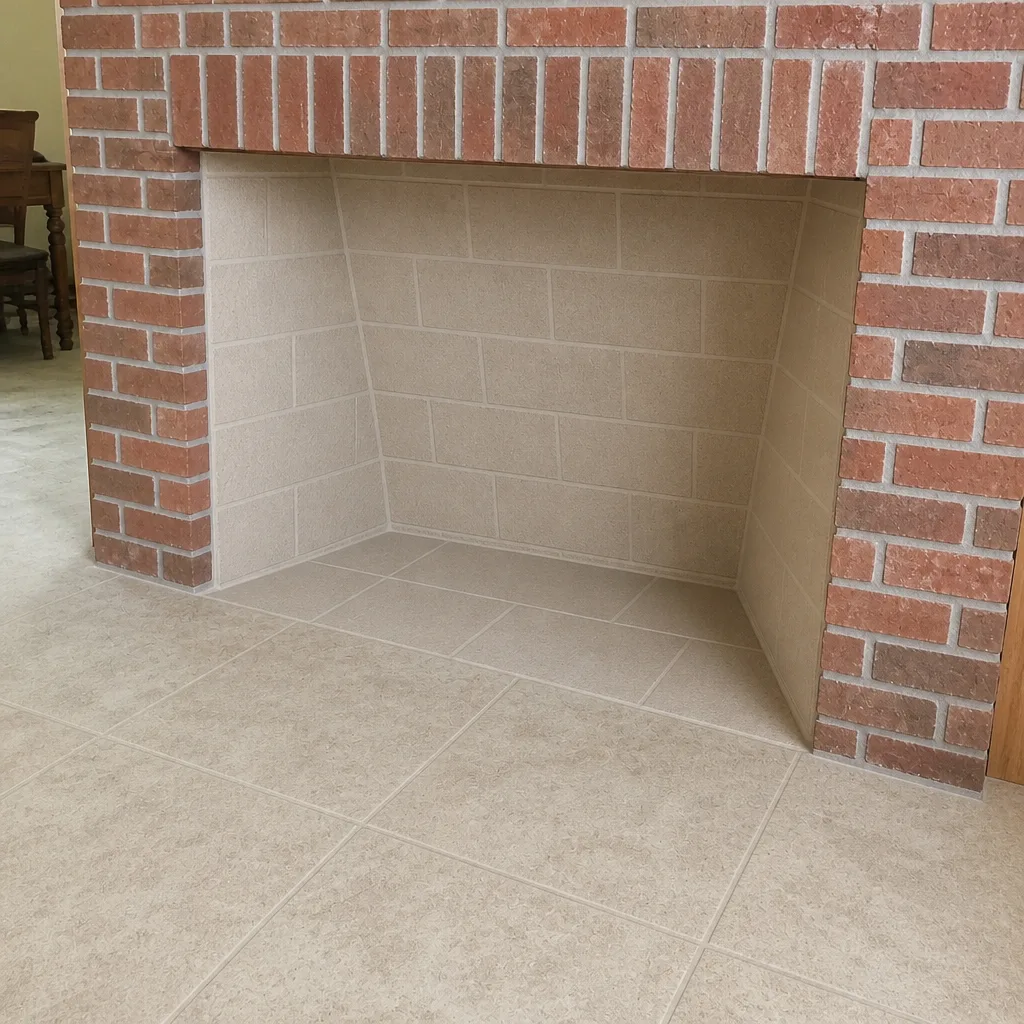 After
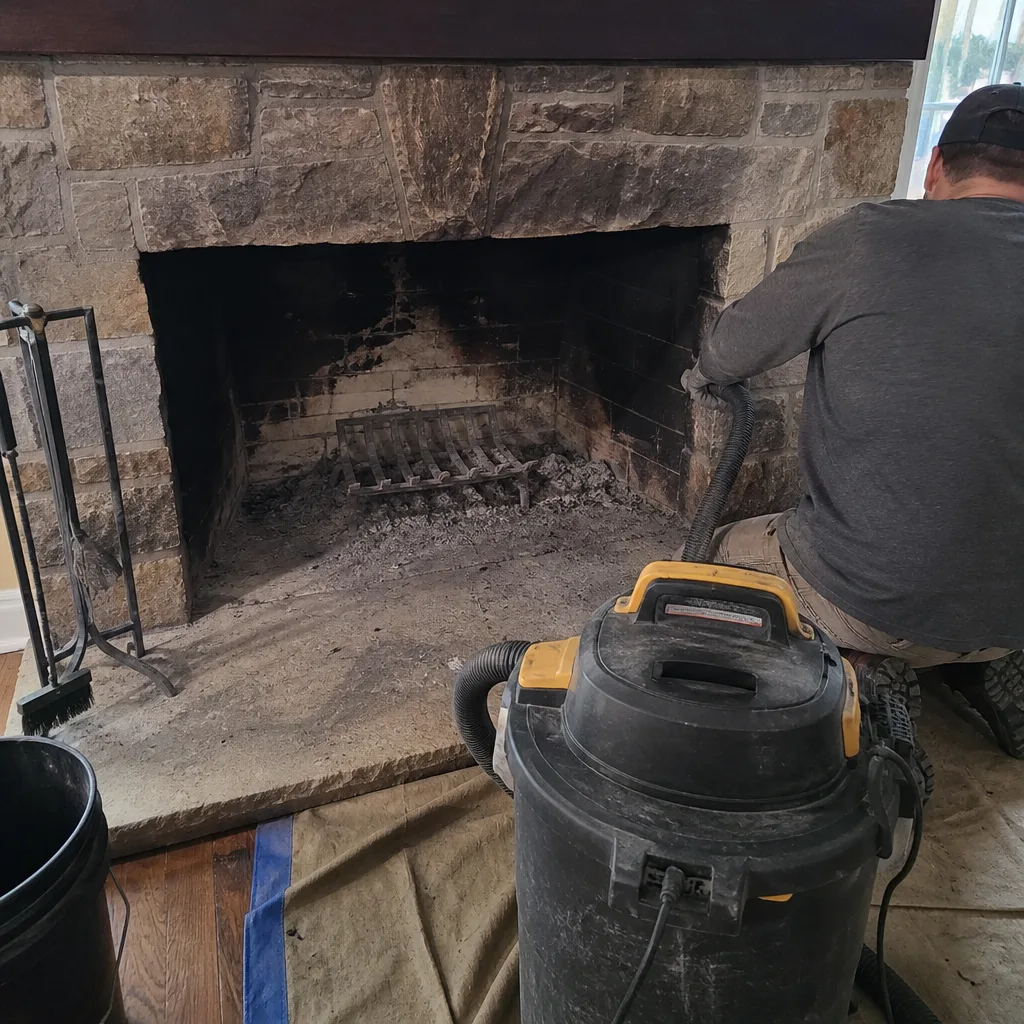 Before
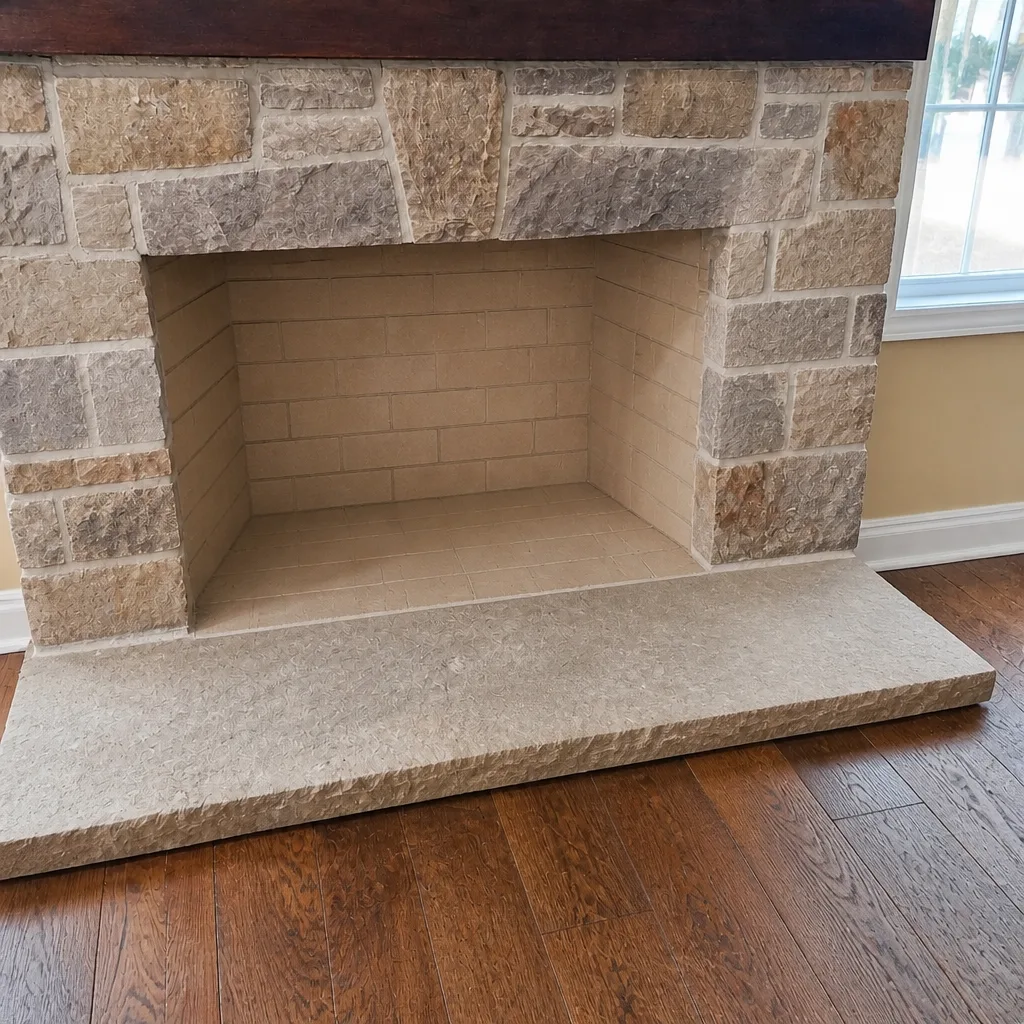 After
When to Call a Professional
Call a professional if any of the following is true: you smell creosote, smoke, or mildew around the chimney in warm weather; you see glazed, shiny creosote on the flue walls; the damper leaks light or air; the crown is cracked, spalling, or has white staining below it; the brick is spalling or the mortar is recessed; the cap is loose or missing screen; the chimney leans; the flue has a nest or other obstruction; or a fire has smoked back into the room even once. Any of those means stop lighting fires until the chimney is inspected. The flue is the only path out for smoke and carbon monoxide, and a compromised flue is not a “next month” problem. Spring and early fall are the natural times to book in St. George, since there’s no fire in the box and the full system can be inspected from both ends.
Chimney Sweep St. George offers free estimates in St. George – call (855) 560-5292. We answer 24/7. Fast dispatch from 7am to 7pm, Sunday through Friday.
Frequently Asked Questions
A chimney should be swept whenever a visual check shows enough creosote buildup to warrant it, which for most homes that burn wood regularly works out to about once a year. Homes that burn daily through the winter may need it more often, and homes that light the fireplace a handful of times a year may need it less. The right answer for your chimney comes from looking, not from a rule about the calendar. Call (855) 560-5292 for an inspection and an exact quote; estimates are free.
A failing crown shows hairline cracks running from the flue out toward the edge, chipped or spalled surface patches, a visible gap at the crown-to-flue joint, or white chalky staining on the brick just below it. Any of those means water is getting into the masonry and the crown needs repair. Catch it early and it’s crown work; catch it late and it can reach the flue liner. Call (855) 560-5292 for an exact quote; estimates are free.
Yes. A cap keeps rain, birds, squirrels, and sparks out of the flue; a missing screen is one of the most common causes of a blocked flue and a subsequent draft failure. Cap installation and repair are normal maintenance, and a chimney specialist handles them as part of the same visit as a sweep or inspection. It’s structural work, not a decoration. Call (855) 560-5292 for an exact quote; estimates are free.
You can safely inspect the firebox opening and the smoke chamber with a flashlight, and that’s where the majority of early-warning signs show up. You should not climb onto the roof, lean into the flue, or reach past the damper; that’s work for someone with the training and the equipment. Use the firebox checkpoints in this guide and hand the notes to a professional. Call (855) 560-5292 for an exact quote; estimates are free.
A leaking damper is a permanent opening in your home’s thermal envelope, and in St. George that costs you in both summer and winter: cooled air escapes up the flue during cooling season, and cold air pours down during heating season. The exact dollar amount depends on your utility rates and how much the damper leaks, so it’s worth having a technician measure the leak rather than guessing. Call (855) 560-5292 for an exact quote; estimates are free.
Ask for the camera inspection and photo report; a chimney specialist should be willing to show you exactly what they see and where. If a technician can’t show you the evidence behind a recommended repair, don’t authorize it. Asked directly, most homeowners in St. George find that small cracks and stable conditions can often wait another season with a note in the log; we’ll tell you plainly which is which. Call (855) 560-5292 for an exact quote; estimates are free.
The Bottom Line
A maintenance checklist is only useful if it tells you what to look for and what failure actually looks like. Use the six checkpoints in this guide twice a year, once in late fall and once after the last hard freeze in St. George, and log what you see in a simple notebook. Take your notes to a chimney specialist who works on the full system, not just a sweep, and let them use the record to tell you what can safely wait and what needs a repair now. The goal is the same as it always was: a safe, sound chimney, built to last another season.
If your checklist turns up anything that concerns you, don’t guess. Call us. We work with professional-grade materials from brands like DuraFlex and Olympia Chimney, and every recommendation comes with the camera inspection and photo report you can review for yourself. Call (855) 560-5292 for a free estimate. We answer 24/7. Fast dispatch from 7am to 7pm, Sunday through Friday.
Written by the team at Chimney Sweep St. George.