
Last updated November 23, 2026
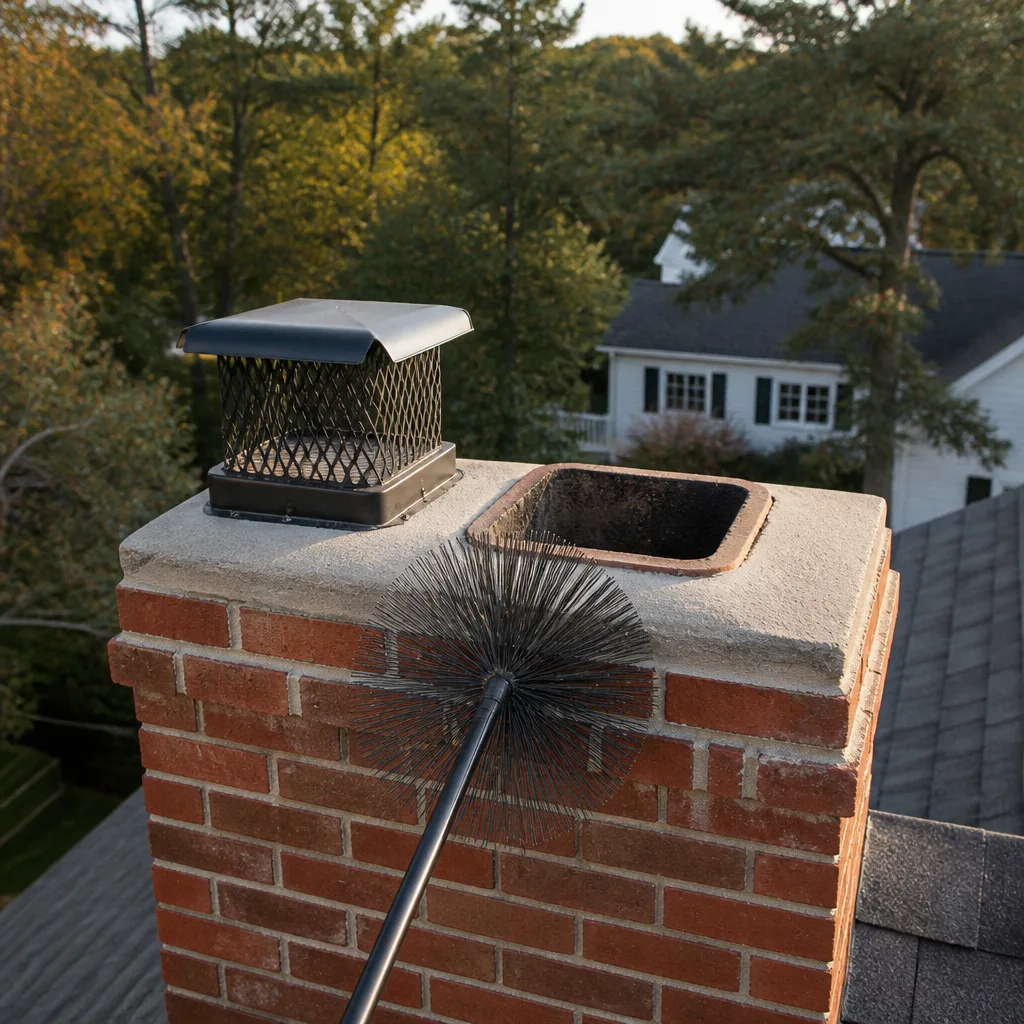 Sweep & inspection
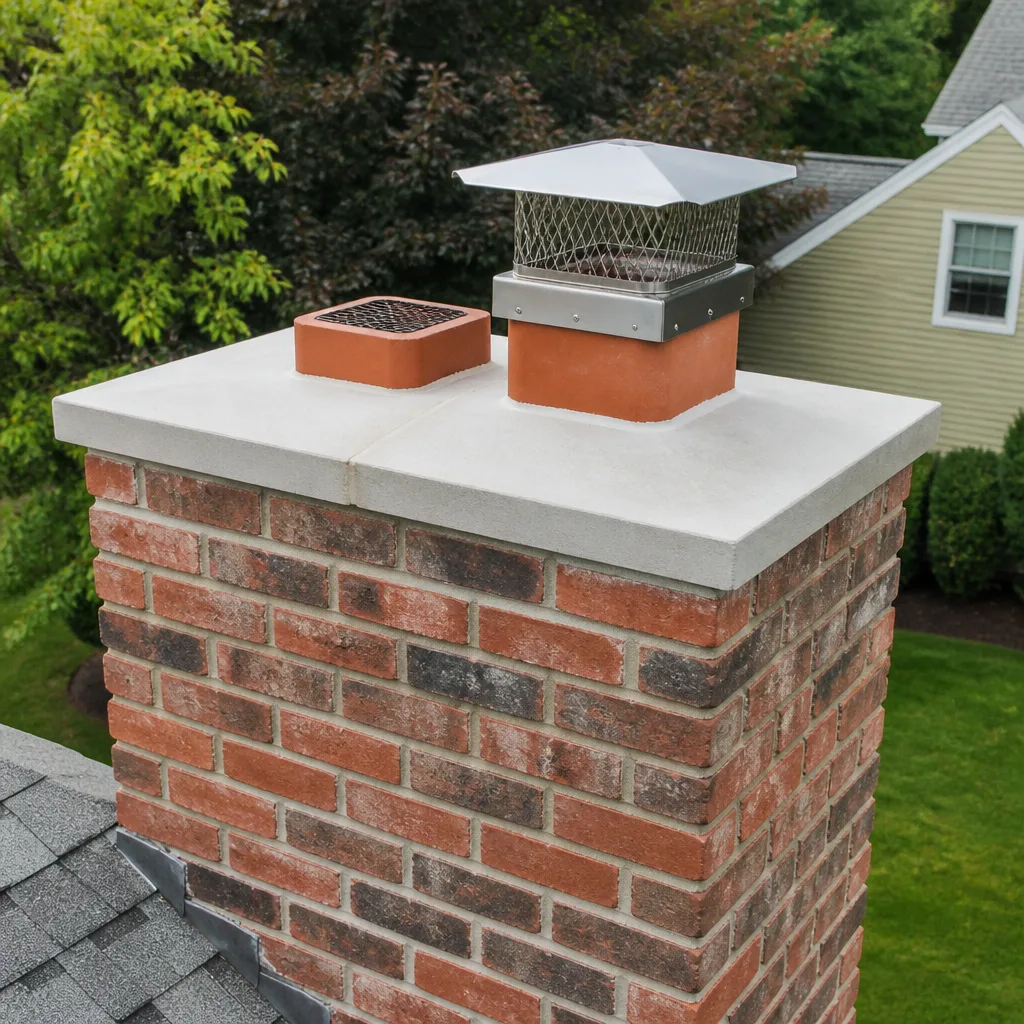 Caps & crowns
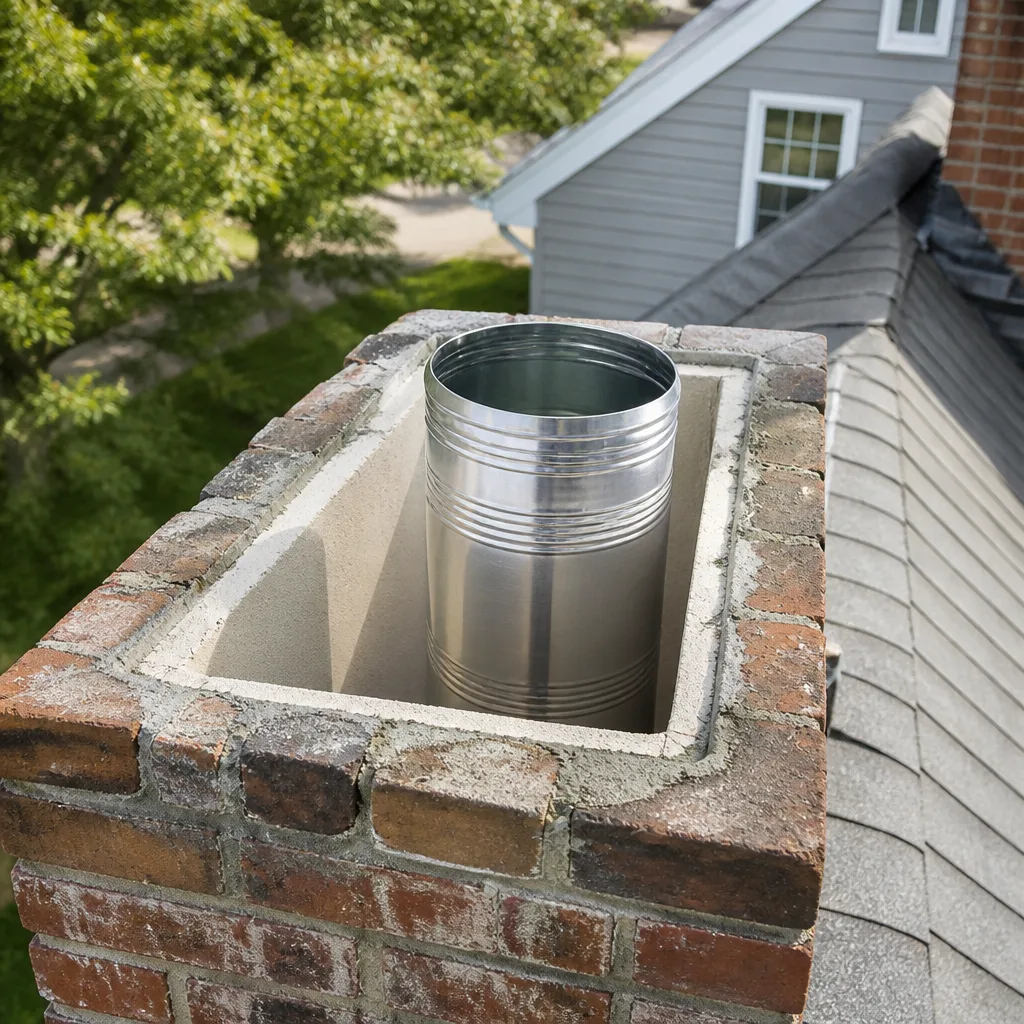 Flue relining
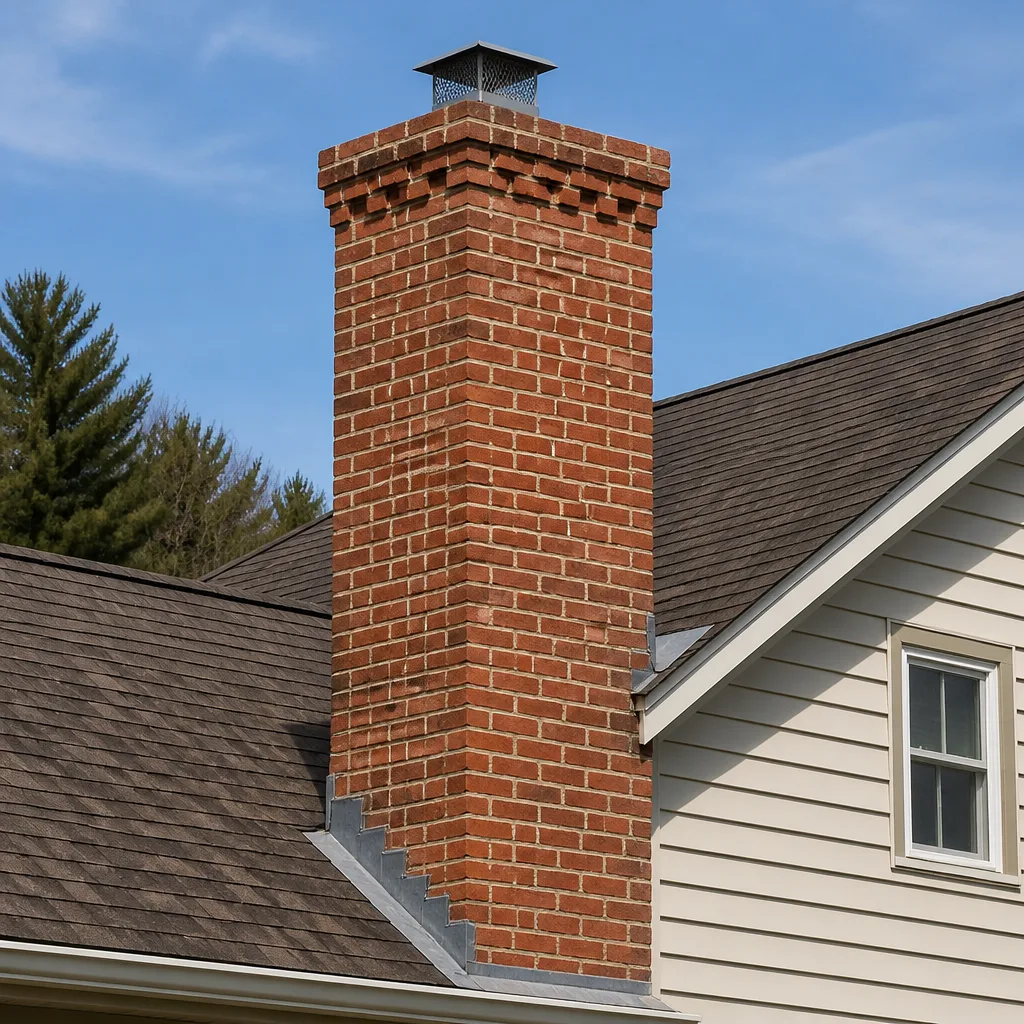 Masonry repair
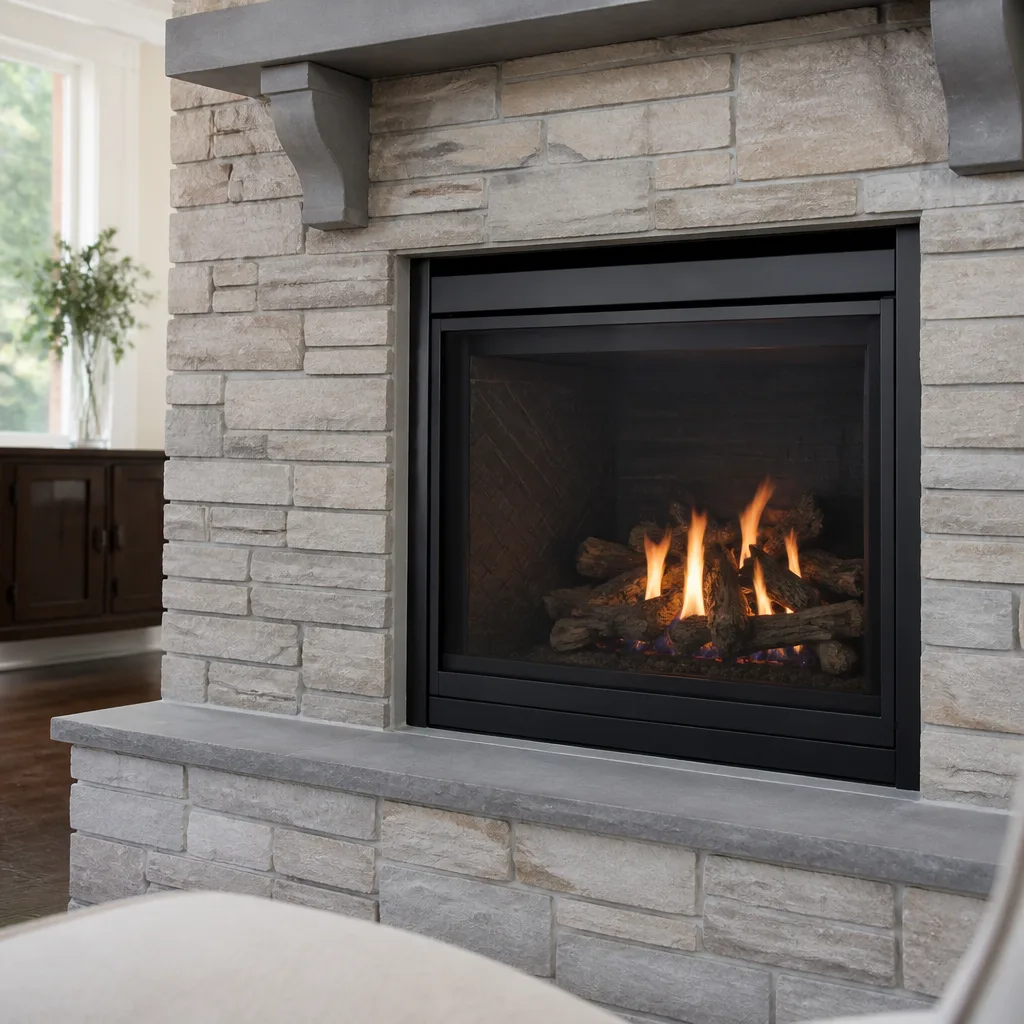 Gas fireplace service
Level 1 sweep and inspection to the NFPA 211 annual standard - flue, crown, cap, and flashing checked and photographed
Chimney sweep logs do not sweep chimneys. They loosen some creosote - which then falls where a brush and vacuum still have to collect it.
The Complete Guide to Chimney Cleaning in St. George
Most chimney fires don’t start because a homeowner skipped a cleaning. They start because the cleaning happened without anyone actually inspecting what the brush passed over. A sweep-only visit can leave a glazed creosote layer, a cracked flue tile, or a failing cap right where it was, and the homeowner gets a receipt that says “cleaned” and assumes the system is safe. That gap between clean and safe is the one this guide closes. We’ll walk through what a real cleaning examines, how creosote builds in stages here in St. George, and what documentation you should walk away with.
Quick Answer
Chimney cleaning in St. George is a diagnostic event, not just a brush-and-vacuum. A proper appointment sweeps the flue and then examines every component from the firebox to the cap, so you leave with a written record of what’s sound, what needs watching, and what needs repair. If the cleaning comes with no inspection of the flue, liner, cap, and crown, you’ve had half the service.
Styles & brands we work with
- Sweep & inspection
- Caps & crowns
- Flue relining
- Masonry repair
- Gas fireplace service
Table of Contents
- What Actually Happens During a Chimney Cleaning?
- What a Level 1 Inspection Examines (and What Sweep-Only Crews Miss)
- How Creosote Forms in Stages in St. George
- Cleaned vs. Certified-Safe: What Documentation You Should Leave With
- Why Flue Size, Liner Condition, and Draft Affect Re-Soiling
- Using a Cleaning Appointment to Build a Baseline Record
- How Often Should You Schedule Cleaning?
- What Does Chimney Cleaning Cost in St. George?
What Actually Happens During a Chimney Cleaning?
A chimney cleaning in St. George involves a staged procedure, and each stage tells the technician something about the system. It isn’t a brush shoved down a flue. Here’s how a proper cleaning runs.
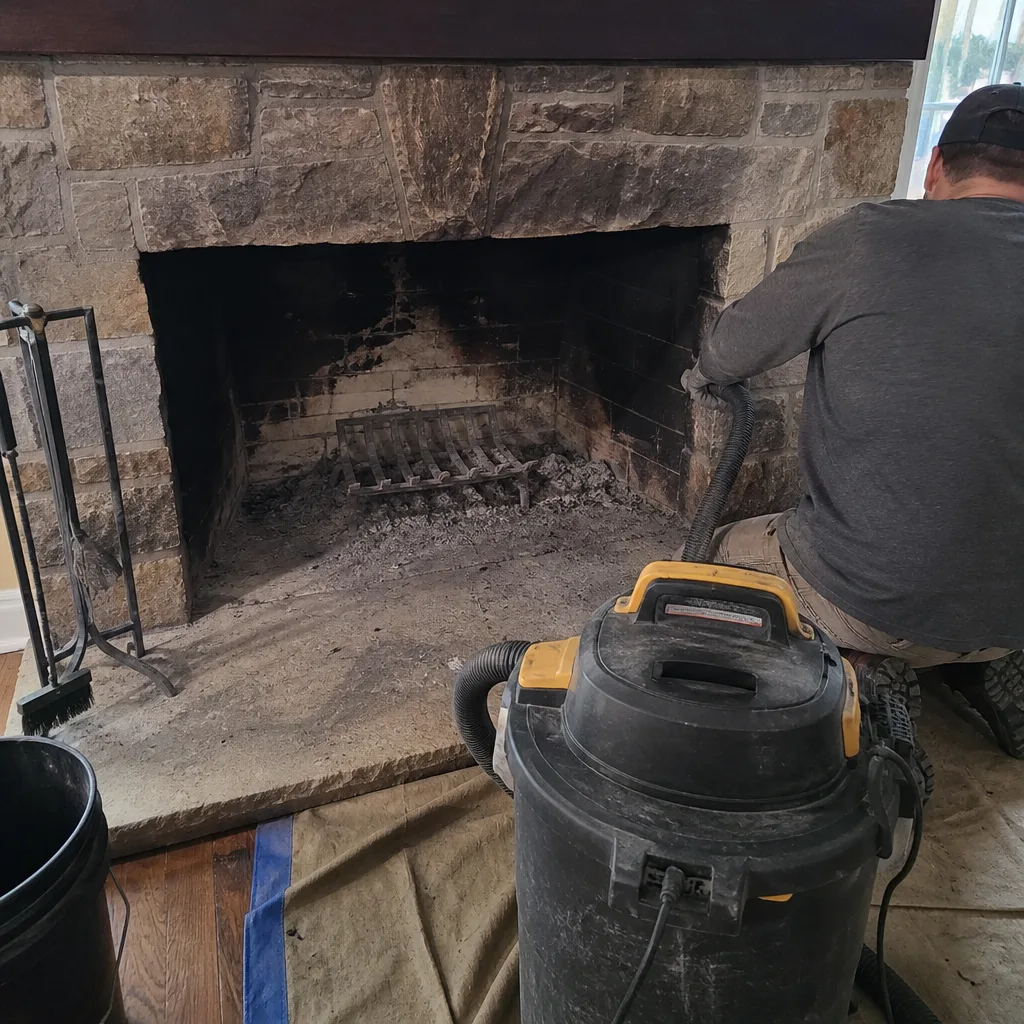
- Protect the room. Drop cloths go down around the hearth; a vacuum with a HEPA filter captures the dust the brush lifts. You shouldn’t see soot on your rug after we leave.
- Examine the firebox and damper first. The firebox shows how you burn, and the damper shows whether you’re losing heat up the flue between fires. This is the point where we can spot warped grates, rusted dampers, or refractory cracks before sweeping.
- Brush the flue with the right head. Poly brushes for the standard clay-tile flue, and the right diameter so the brush contacts the flue wall without damaging the tile. Different diameters for different flue sizes.
- Sweep through the full height. Top-down or bottom-up depending on the roof access. The brush passes every section, and the technician watches the soot drop in the shop vac so nothing falls back into the firebox.
- Inspect the flue, cap, and crown. The cleaning is done; the inspection is where the value sits. Flue liner, joints, cap and screen, crown, and any offsets get a look, and anything that isn’t obviously sound gets photographed.
- Walk you through what we found. You see the photos, hear what’s normal for a St. George chimney, and get recommendations in writing.
- Test the draft. A smoke test or draft check confirms the chimney is pulling correctly before we pack up.
We treat the cleaning as the beginning of a diagnostic conversation, not the end of the appointment. A full-system chimney specialist can follow through on what the cleaning turns up. Sweep-only crews tend to clean what they see and leave everything above the firebox for the next contractor. You can read more about our chimney sweep service and what a visit covers.
What a Level 1 Inspection Examines (and What Sweep-Only Crews Miss)
A Level 1 inspection is the baseline exam that should accompany every routine cleaning. It covers the readily accessible parts of the chimney and venting system with no tools that damage the chimney, and it’s enough to catch the majority of problems an annual visit should find. Here’s what it covers versus what sweep-only crews typically skip.
- Firebox and damper: A Level 1 inspection examines the firebox walls for cracks and the damper for operation and seal. Sweep-only crews pass a brush and leave.
- Smoke chamber: The transition between the firebox and flue is where creosote and soot collect, and where a failing smoke shelf affects draft. A sweep-only visit doesn’t check this zone.
- Flue liner: Clay tile joints, gaps, and any cracking get examined. Sweep-only crews clean the flue and don’t examine the tile.
- Chimney exterior: The crown, cap, flashing where the chimney meets the roof, and masonry joints get a visual examination. This is where water intrusion usually starts.
- Connector and appliance: For wood stoves and inserts, the connector pipe between the appliance and the chimney is examined, not just the chimney itself.
What sweep-only crews miss is what a Level 1 catches: the tile crack that lets heat reach framing, the crown crack that lets water into the masonry, the damper that no longer seals. The cleaning brush doesn’t see any of these, and a cleaning without a look at these components is a cleaning of the flue only. On older housing stock across St. George, that gap is where the real risk sits.
If we find something during the Level 1 inspection that needs a closer look, our Chimney Sweep St. George team can walk the whole system with you. Full-system care beats piecework every time.
How Creosote Forms in Stages in St. George
Creosote builds in three recognizable stages, and St. George’s mix of wood-burning fireplaces and older housing stock makes Stage 2 the more common surprise. Creosote is the residue of incomplete combustion, and how much forms, and how fast, depends on how hot the fire burns, what’s burned, and how often the chimney is examined. Here’s the progression we see.
- Stage 1: Soot and flaky dust. A thin, powdery, flaky layer that brushes away easily. Most homeowners catch it here with regular annual cleaning. It’s the normal residue of a well-run fire with properly seasoned wood.
- Stage 2: Crumbly, black, or brownish crust. This is where the layer thickens and starts sticking to the flue. It doesn’t brush off easily; it needs a rotary head or a chemical treatment. In St. George, the older housing stock often has smaller flues than the modern houses, and a smaller flue with a big fire loads up faster. Stage 2 is the most common surprise we find here.
- Stage 3: Glazed, hard, tar-like. A shiny, hardened layer that has cooked onto the flue wall. This is the most dangerous form. It doesn’t come off with a brush. Stage 3 needs rotary cleaning or in some cases a flue assessment for replacement, and it’s the layer most likely to ignite under the right conditions.
What makes Stage 2 so common in St. George is the housing stock. The older homes were built for smaller flues and smaller fireplaces, and households that burn a lot of wood in them load up faster than the builder expected. The mix of wood-burning fireplaces and gas fireplaces across St. George matters: gas fireplaces don’t produce creosote, but they do produce their own debris and need their own inspection. If you’re burning wood, use properly seasoned wood with low moisture. Don’t burn household trash, wrapping paper, or green wood. Those add to the accumulation. And remember that a Stage 2 layer needs to be gone before it has a chance to cook into Stage 3.
When we find Stage 2 or Stage 3 in St. George, we can handle the removal and, when the flue liner itself is compromised, apply a resurfacing like chimney cap & crown-adjacent repairs and liner treatments. The HeatShield resurfacing system we apply is a trained-applicator material that restores a deteriorating flue liner without full replacement, and it’s one of the reasons we keep a full-system scope rather than a cleaning-only one.
Cleaned vs. Certified-Safe: What Documentation You Should Leave With
A chimney is clean when the creosote is swept out. It’s certified-safe when the technician has examined the full system and documented its condition in writing. Those are two different outcomes, and only one of them protects you. Here’s what a complete appointment leaves with you.
- A written inspection report. It names every component examined (firebox, damper, smoke chamber, flue liner, cap, crown, flashing, connector) and notes the condition of each. Vague reports that only say “swept” don’t tell you what condition the flue is in.
- Photographs. Before-and-after shots of the flue, and closeups of anything that needs watching. You should be able to see with your own eyes what the technician is recommending. This is the difference between a diagnostic and a sales pitch.
- Findings and recommendations in plain language. If the crown is cracked, the report says so and shows you the photo. If the cap screen is torn, it says that. If the flue is sound, it says that too. A report should be clear enough to be useful to a contractor, an insurance adjuster, or a home buyer.
- What can safely wait. A good report distinguishes between what needs attention now, what should be watched, and what’s fine. Not every small finding is urgent, and a report that says everything is urgent is one you should question.
This is the documentation you keep for insurance and resale. If you sell the house in a few years, a folder of annual reports shows the chimney has been cared for. If there’s a claim, it shows the system’s condition was documented. The cleaning itself is one line on that report. The certificate of inspection is the part that matters. We leave every homeowner with a report that pictures and describes the full system, and we can also give you a written estimate for any repair the inspection turns up. You can read more about our certified pathway on the main Chimney Sweep St. George page.
Why Flue Size, Liner Condition, and Draft Affect Re-Soiling
Three system conditions drive how fast a chimney re-soils between cleanings, and all three are things a cleaning examines. If your chimney is ready for a cleaning again sooner than you expected, one of these is likely the cause.
- Flue size mismatch. A firebox that’s too large for its flue, or a flue that’s too large for the appliance, causes smoke to linger and creosote to form faster. The flue was usually sized for the original fireplace, and if the fireplace has been changed, the flue hasn’t. A properly sized flue pulls smoke out cleanly and stars deposition.
- Liner condition. A cracked or displaced flue tile, or a liner that’s pulling away from the wall, disrupts the draft and lets creosote deposit in the gaps and behind the tiles. A failing liner is both a creosote source and a fire hazard. When the liner itself is cracked, resurfacing with a system like HeatShield can restore it without full replacement, and where the liner is beyond saving, a full flexible liner system from a professional-grade supply chain resolves the draft problem too.
- Draft and airtightness. A house that’s too tightly sealed for the chimney’s air demand will pull smoke back into the room and leave soot on the firebox walls. The chimney was designed for the house’s original air balance, and if the house has been tightened up, the chimney hasn’t caught up. A draft test during the cleaning catches this, and sometimes the fix is a make-up air or an adjusted damper.
These system conditions are where a specialist beats a sweep crew. A sweep crew cleans the flue; a full-system specialist tests the draft, examines the liner, and can recommend a fix. When the draft is weak, we can check the flue with a camera and give you a written recommendation based on what the camera shows. And when a liner needs replacement, our DuraFlex expertise and materials from Olympia Chimney and Gelco let us do the job with professional-grade parts rather than whatever a generalist could source.
Using a Cleaning Appointment to Build a Baseline Record
An annual cleaning builds a baseline record of your chimney system, and that record is worth more than most homeowners realize. Here’s how to use a cleaning appointment to establish it.
- Keep every report in one folder. Paper or a digital folder, doesn’t matter; it should be the same file every year. Reports are more valuable as a series than as one-offs, and a buyer or adjuster will see a documented pattern.
- Photograph the before and after. The technician’s photos go in the folder, and you keep the originals. If the flue was fine two years ago and has a tile crack now, the photos show when it started.
- Note the burning habits. How many cords you burn, what species of wood, and whether the fire is a weekend thing or a primary heat source. All of that goes in the file, because it tells the next technician how the system has been used.
- Note any changes to the house. A new insert, a new fireplace, new insulation, or a tightened-up house all affect draft and creosote. A house that gets tightened up can turn a previously clean-burning chimney into a soot-maker, and the record shows that shift.
- Note any repairs. A resurfaced liner, a new cap, or a crown repair becomes part of the record. The next inspection starts from there.
That record is what an insurance adjuster wants if there’s ever a claim, and it’s what a buyer’s inspector wants if you ever sell a house in St. George. A documented history can turn a question into an answer. It’s the difference between “we never had it looked at” and “here are the ten years of reports.”
We keep the record clean for our customers by including the inspection report with every cleaning and offering to keep the file on your account. You can read more about our baseline record approach and the other services on our fireplace repair page.
How Often Should You Schedule Cleaning?
Most chimneys should be cleaned once a year if they’re used regularly, and at least once a year for a wood-burning fireplace that sees real use. A gas fireplace still needs an annual check because it produces its own debris and the vent has its own requirements. The bigger variable is how much you burn. A household that burns multiple cords a year should schedule more often than a household that lights the fireplace a few times a season.
There are conditions that call for a cleaning regardless of the calendar. If you’ve had a chimney fire, a cleaning and inspection should happen before the next fire, even if the fire was short. If you’ve noticed creosote falling into the firebox, or a strong smell from the fireplace when it’s not burning, that’s a signal to schedule. A dropped flue tile, water stains on the firebox walls, or a cap that’s been knocked loose by wind are all reasons to have the system checked before the next fire is lit. The same is true if you’ve recently bought a house in St. George and don’t have a history of the chimney’s condition. A first cleaning with a full inspection is the fastest way to know what you’re working with.
A chimney that’s used only for ambiance in a newer house with a modern, tight flue still needs that annual check, because the annual check is about inspecting the system, not just removing soot. Schedule the cleaning to match your burning season, and put a note in your calendar so you don’t forget. We answer 24/7, and we can book a visit that fits your schedule.
What Does Chimney Cleaning Cost in St. George?
A standard chimney cleaning in St. George typically ranges from about $150 to $280, with an inspection included. Prices are estimates; the written estimate sets the final price. Here’s how a typical service breaks down.
- Standard chimney cleaning with a Level 1 inspection: $150 to $280 typical. The wide range reflects the size of the flue, how much creosote there is, and whether the cleaning needs a rotary head to knock down a Stage 2 layer.
- Stage 2 or heavier creosote removal: $250 to $450 typical when rotary cleaning or chemical treatment is required. The stage and thickness drive this, and the inspection tells us which it is.
- Chimney cap and crown work: $250 to $600 typical depending on the cap style and the crown damage. These are the two most common repairs found during a cleaning, and they’re done during a follow-up visit in most cases.
- Liner resurfacing with a system like HeatShield: $1,200 to $2,800 typical, depending on the flue length and the extent of the deterioration. This is the cost-effective path when the liner is flaking but not beyond saving.
- Full liner replacement with a flexible liner system: $2,500 to $5,000 typical, driven by flue height, liner material, and whether the crown and cap need to come off for the install.
These are typical St. George ranges in our experience, and each job gets a written estimate before we start. A camera inspection is part of the estimate and the photographs come with it, so you can see exactly what we’re recommending and why. Nothing gets recommended without camera evidence you can look at yourself. Some findings can safely wait, and the report will tell you which. The free estimate and the camera report are the reason to book with a full-system shop. Call (855) 560-5292 for an exact quote; estimates are free.
Common Mistakes to Avoid
- Treating the cleaning as the whole service. A brush-and-vacuum visit that skips the inspection isn’t a maintenance appointment; it’s half of one. The flue gets cleaned, but the liner, cap, and crown don’t get examined, and those are the parts that fail.
- Assuming a clean flue means a safe chimney. Clean is about creosote, and safe is about the system. The two aren’t the same, and the inspection report is what tells you which you have.
- Skipping an annual check because the fireplace rarely gets used. A gas fireplace, a fireplace that’s lit a few times a season, and a fireplace in a house you just bought all still need the annual inspection. The system gets checked, not just the soot.
- Burning green wood or household trash. Seasoned wood with low moisture burns cleaner. Green wood and trash add to the creosote, and Stage 2 accumulation happens faster than most homeowners expect.
- Ignoring a draft problem. Back-puffing smoke, soot on the firebox walls, and a fireplace that smokes into the room are draft signals. They get better when the flue is examined and the cause is found.
- Not keeping the reports. One report is a snapshot; a folder of reports is a history. The history is what insurers and buyers want, and it’s the record that starts with the first cleaning.
- Hiring a sweep who doesn’t do repair. A sweep-only crew can clean the flue, but when the inspection finds a cracked crown or a failing liner, the job gets handed to someone else. One specialist for the whole system means no referral runaround and no gap between the diagnosis and the repair.
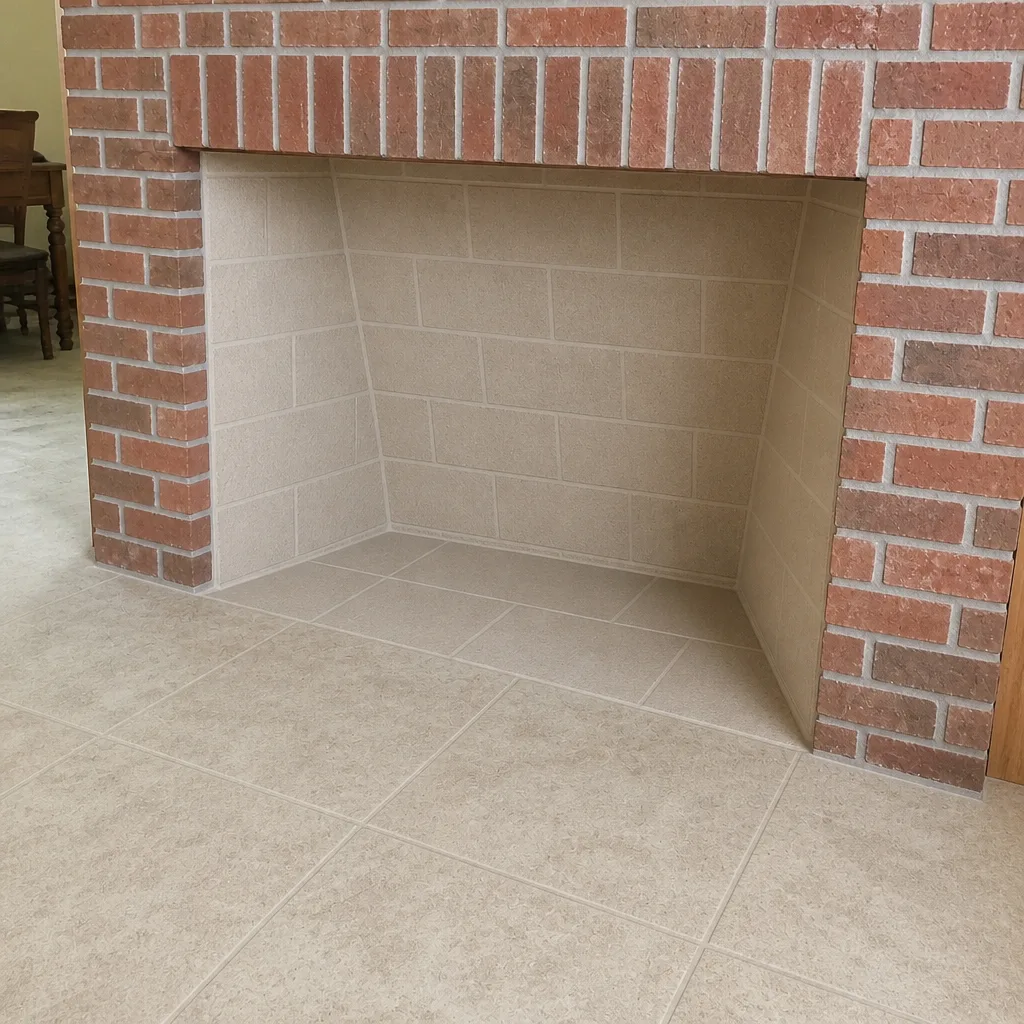
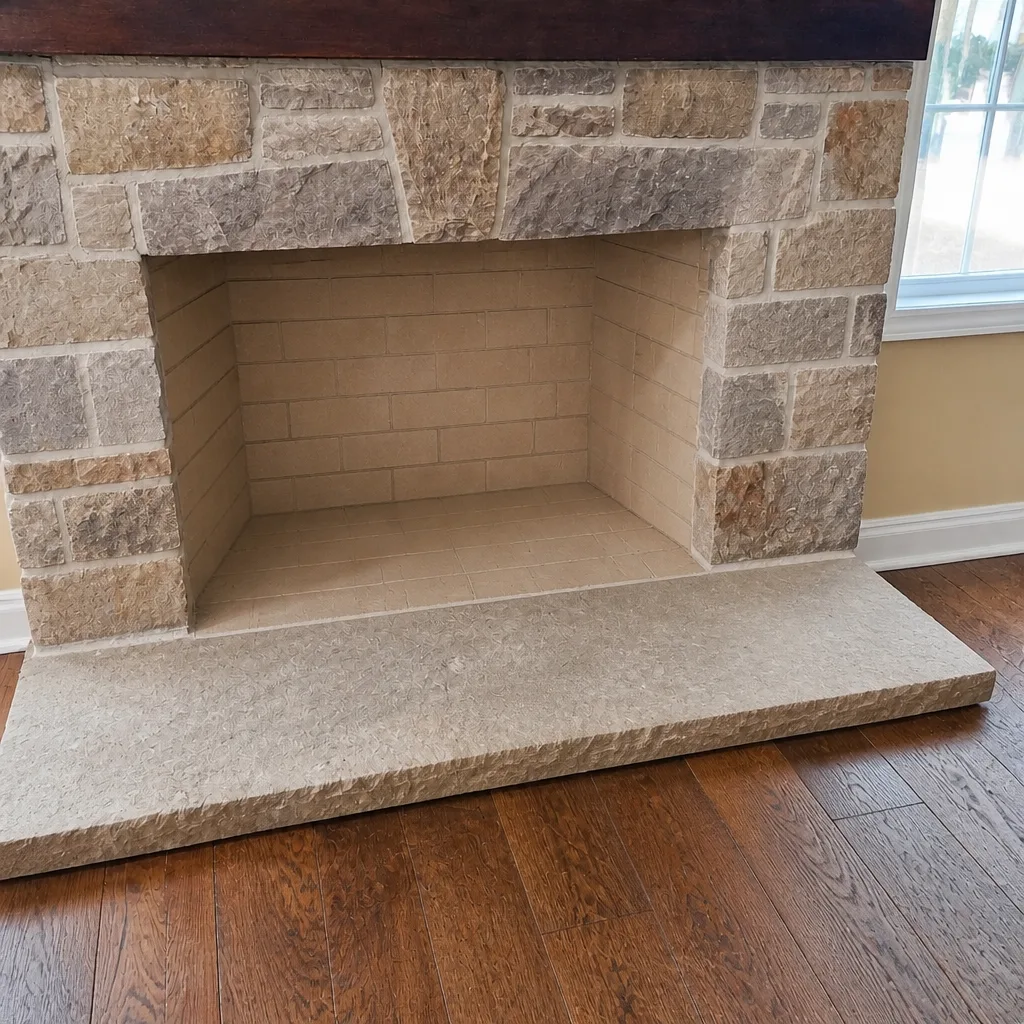
See the difference
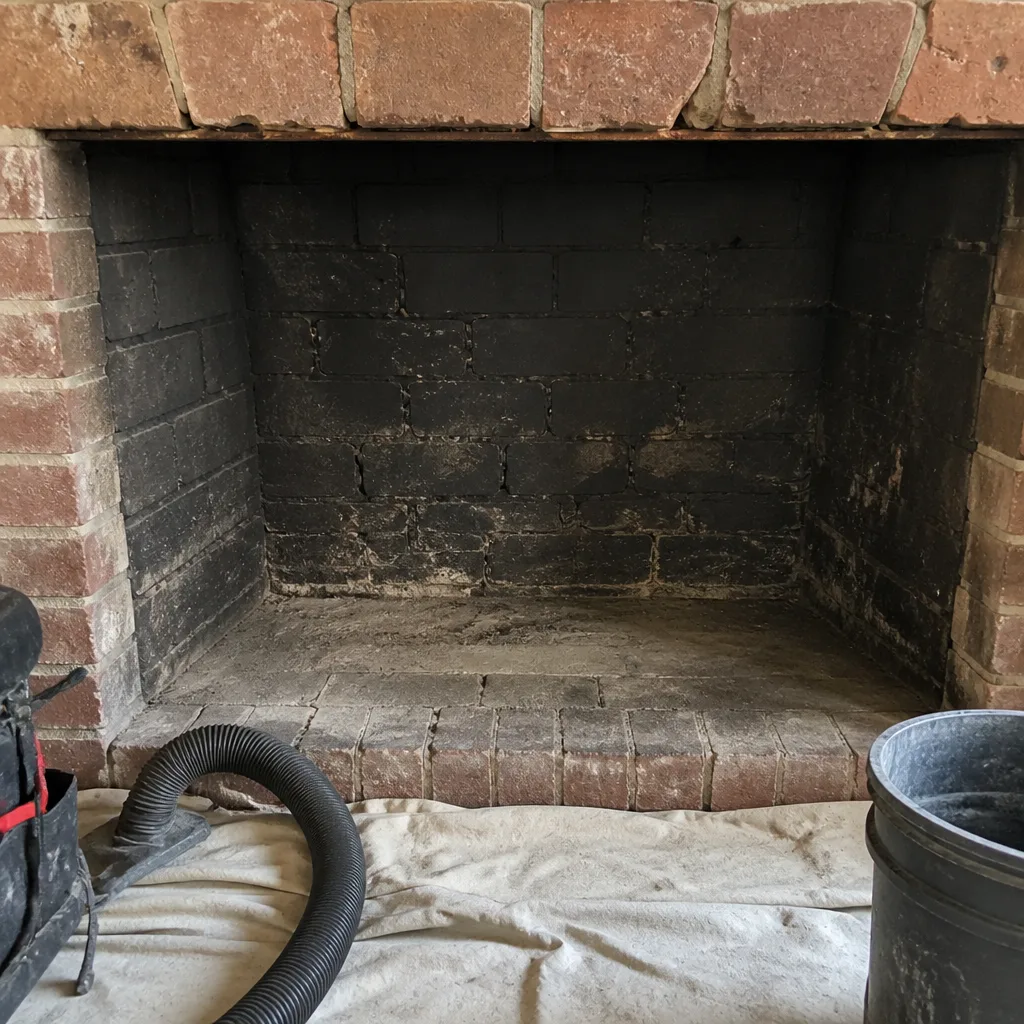 Before
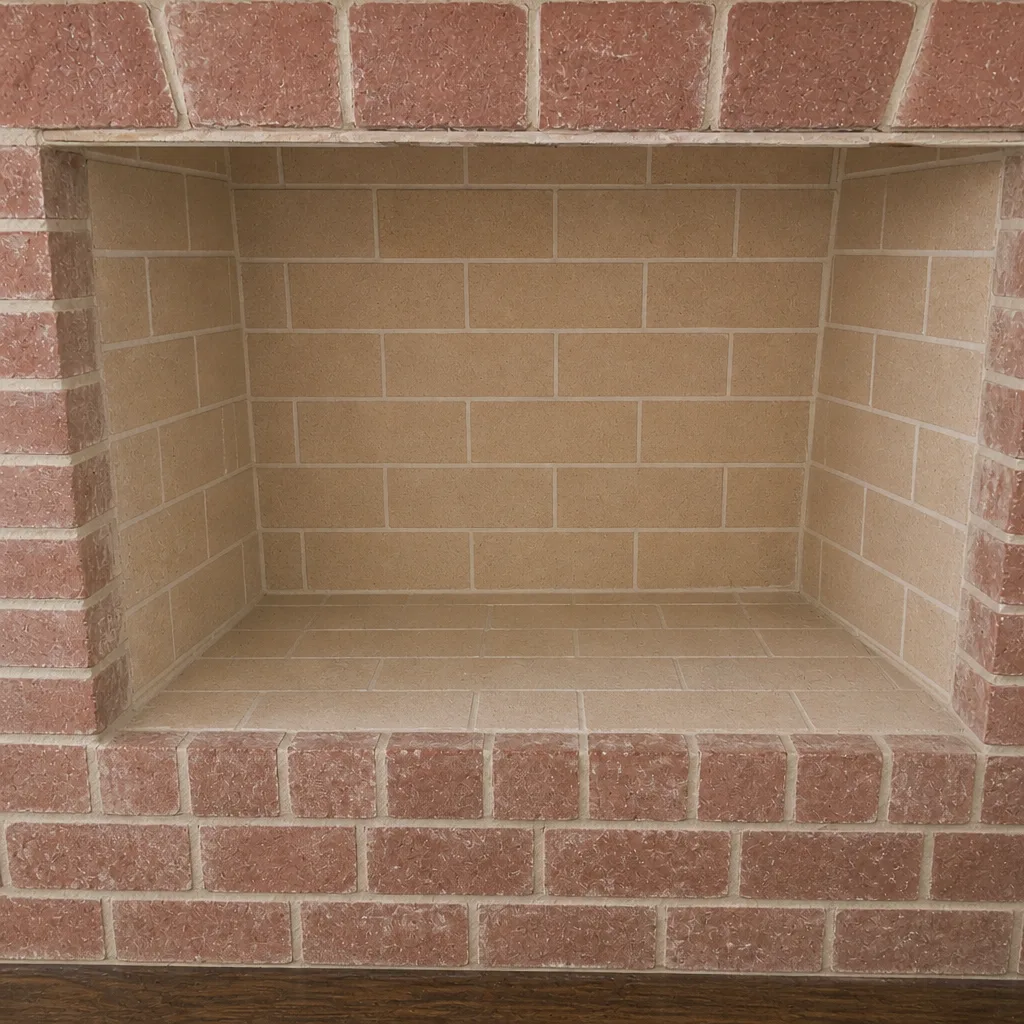 After
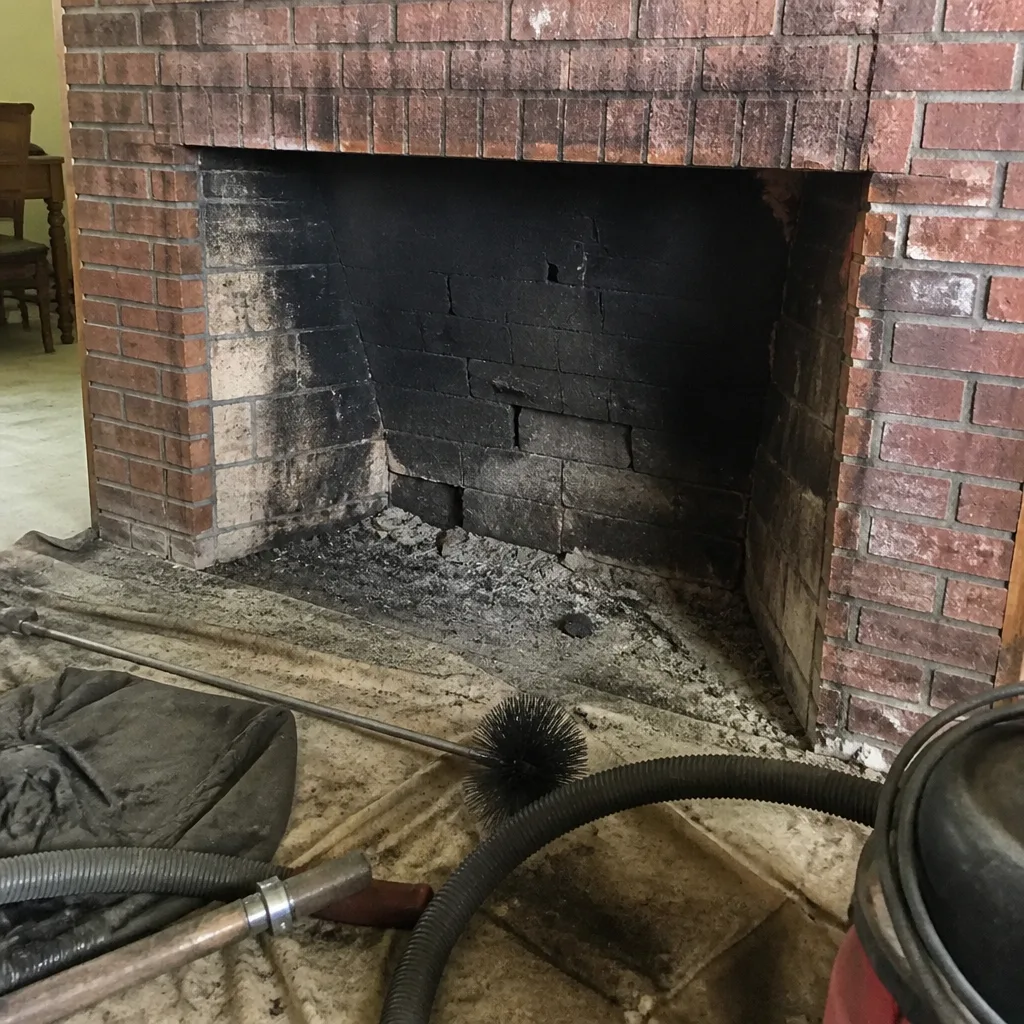 Before
 After
 Before
 After
When to Call a Professional
Chimney work carries real risk. Creosote is flammable, the firebox and flue can reach temperatures that can ignite it, and a chimney fire can spread into the framing around the chimney. Working on a roof, climbing to the crown, and opening a flue without the right equipment isn’t a do-it-yourself job, and a cracked flue liner can let carbon monoxide into the house. If your chimney hasn’t been examined in more than a year, if you smell creosote or smoke in the house when the fireplace isn’t burning, if water is getting into the masonry, or if the cap has been damaged, that’s the time to call. A cleaning appointment is the fastest way to know. Chimney Sweep St. George offers free estimates in St. George; call (855) 560-5292. We answer 24/7. Fast dispatch from 7am to 7pm, Sunday through Friday.
Frequently Asked Questions
A standard chimney cleaning in St. George typically ranges from about $150 to $280, with a Level 1 inspection included. Heavier creosote removal runs higher, and the written estimate sets the final price. Call (855) 560-5292 for an exact quote; estimates are free.
Most wood-burning chimneys should be cleaned once a year if used regularly, and more often if you burn several cords a season. A gas fireplace and a lightly used fireplace still need an annual inspection. The cleaning should happen before your burning season starts, not mid-winter.
A cleaning removes the creosote and soot from the flue. An inspection examines the entire chimney system, from the firebox to the cap and crown, and documents its condition. A good cleaning appointment includes both; a sweep-only visit skips the inspection.
Not every liner needs replacing. Many deteriorating flue liners can be resurfaced with a trained-applicator system like HeatShield, which restores the liner without a full replacement. The camera inspection tells us which path is right, and the photos come with the recommendation so you can see it for yourself. Call (855) 560-5292 to schedule a camera inspection.
Creosote keeps accumulating and can reach a stage where it’s glazed and more likely to ignite, and the inspection that would have caught a cracked tile or a failing crown doesn’t happen. The risk doesn’t show up in the room; it shows up at the flue. Skipping one year isn’t a crisis, but skipping several raises the fire risk and the eventual repair cost.
Yes. A gas fireplace doesn’t produce creosote, but it produces its own debris, and the vent needs an annual inspection. The inspection examines the vent and the appliance connection, and it catches problems that a wood-burning firebox inspection wouldn’t. Gas chimneys need a specialist just as much as wood-burning ones, and the check is annual.
The Bottom Line
A chimney cleaning is a diagnostic event, not a box to check before winter. The cleaning sweeps the flue, and the inspection documents the condition of every component from the firebox to the cap. In St. George, the older housing stock makes Stage 2 creosote more common than most homeowners expect, and a brush without an inspection leaves the real risks in place. What you should walk away with is a written report, photographs of what was found, and a clear picture of what needs attention, what can wait, and what’s fine. Keep the record, schedule the cleaning before your burning season, and call a specialist when the inspection turns up a repair. The chimney you understand is the one you can trust.
Call (855) 560-5292 for a free estimate. We answer 24/7. Fast dispatch from 7am to 7pm, Sunday through Friday.
Written by the team at Chimney Sweep St. George.