
Last updated November 23, 2026
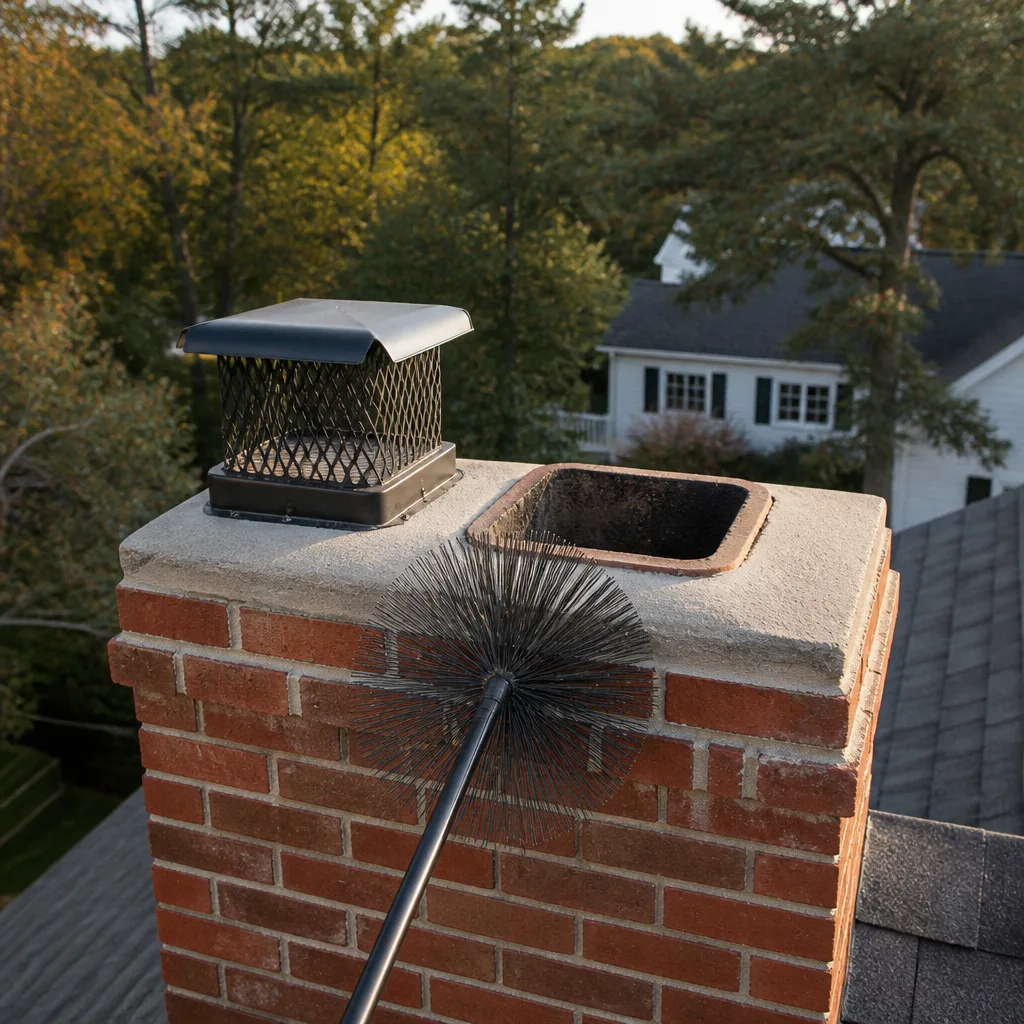 Sweep & inspection
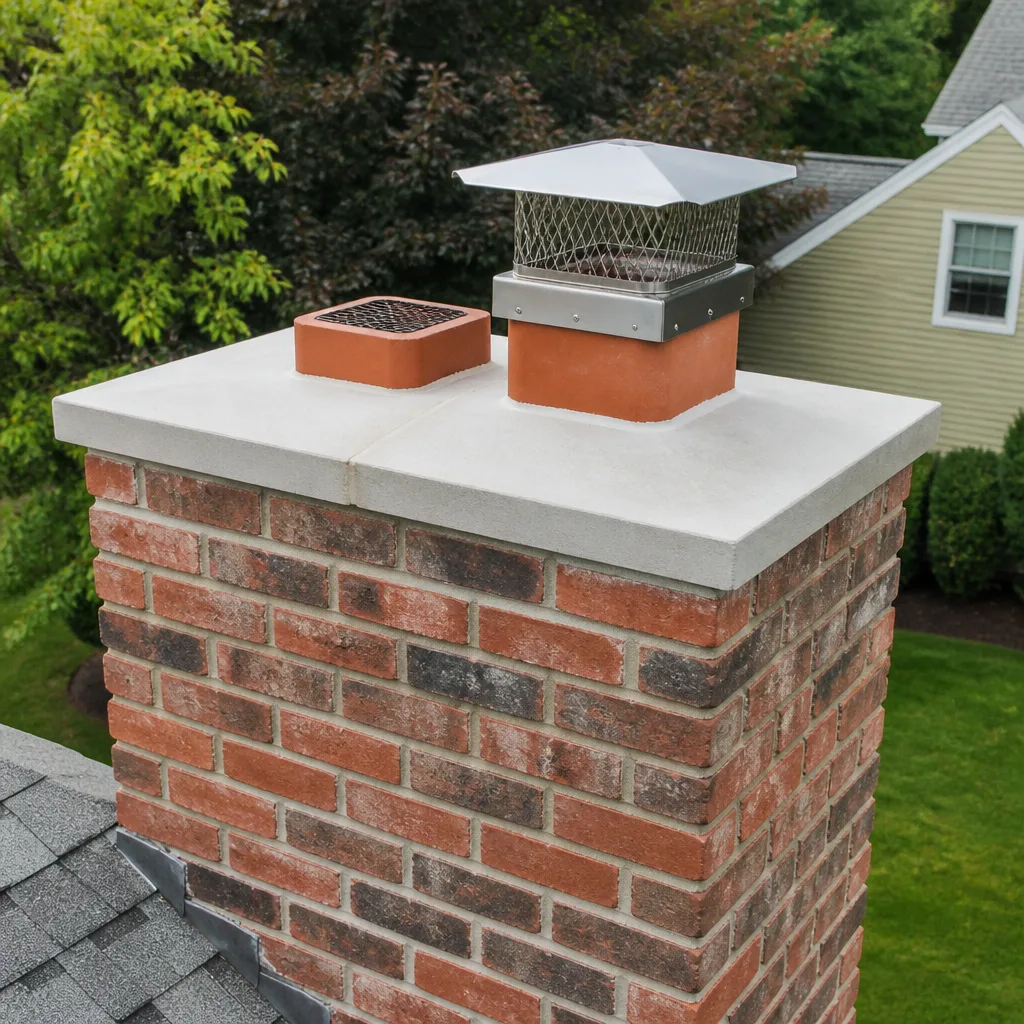 Caps & crowns
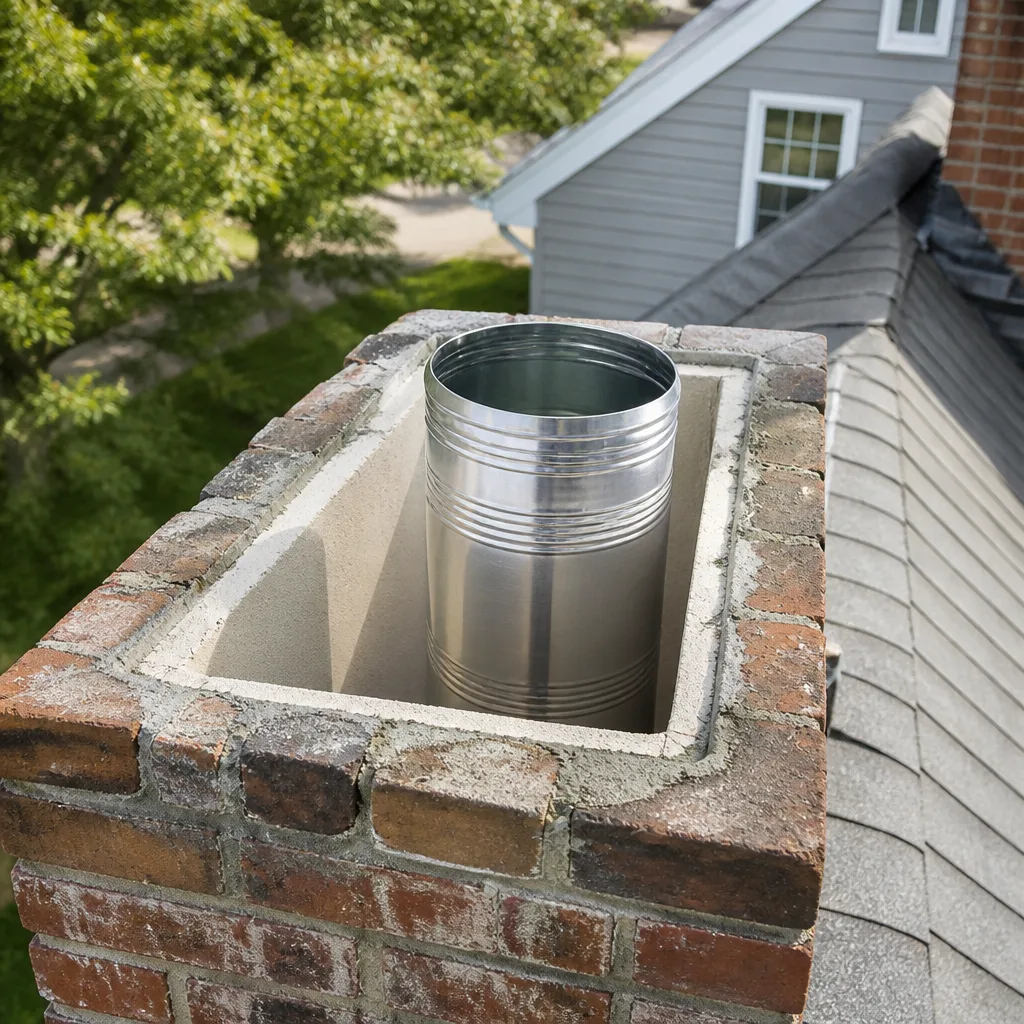 Flue relining
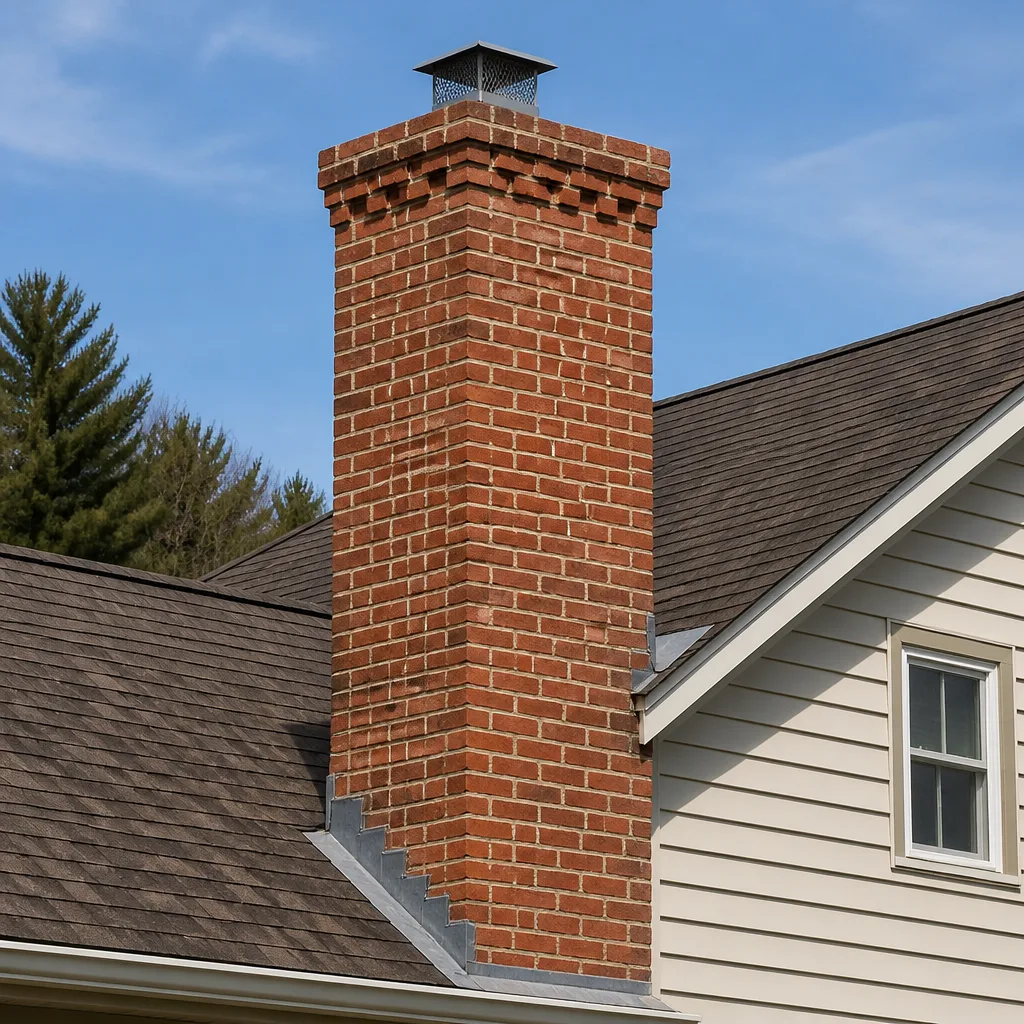 Masonry repair
 Gas fireplace service
Level 1 sweep and inspection to the NFPA 211 annual standard - flue, crown, cap, and flashing checked and photographed
Chimney sweep logs do not sweep chimneys. They loosen some creosote - which then falls where a brush and vacuum still have to collect it.
Chimney Cleaning Warning Signs: A St. George Homeowner’s Reference Guide
A white stain running down your chimney’s exterior and a strong smoke smell inside the house are both “warning signs.” They are not the same kind of problem, they don’t share the same urgency, and treating them as one long list of things to worry about is how homeowners end up either panicking over a harmless cosmetic issue or ignoring something that needs attention this week. Here in St. George, we see both reactions. This guide sorts the most common warning signs into a practical severity framework: what to address this week, what to schedule within 30 days, and what can safely wait until your next annual cleaning. You’ll also get plain-language diagnostics for smell, draft, and moisture problems so you can describe what’s happening accurately when you call.
Quick Answer
The most urgent chimney warning signs are the ones that involve escape risk or fire risk: a strong creosote smell inside the house, smoke rolling back into the room, visible damage to the flue, and a chimney cap that’s come loose or disappeared. Water stains, crumbling mortar, and a faint drafty smell are usually worth scheduling within a month rather than dropping everything. Anything you can’t identify should be looked at by a professional before the next burning season opens in St. George.
Styles & brands we work with
- Sweep & inspection
- Caps & crowns
- Flue relining
- Masonry repair
- Gas fireplace service
Table of Contents
- The Three-Tier Severity Framework
- What White Staining on Brick Actually Means
- Smell Diagnostics: Creosote, Animals, or Moisture?
- Draft Problems Decoded
- Signs Specific to St. George’s Older Housing Stock
- Exterior Warning Signs at the Cap, Crown, and Flashing
- What a Yearly Cleaning Actually Catches
- Running the Severity Check Yourself
The Three-Tier Severity Framework
Every chimney symptom falls into one of three buckets. Getting the bucket right is most of the work. In our experience, homeowners tend to over-worry about cosmetic signs and under-worry about anything involving airflow or combustion byproducts.
Tier 1: Address this week.
- A strong, persistent creosote or acrid smell inside the house, especially after a fire has burned.
- Smoke rolling back into the room instead of up the flue.
- Visible damage to the crown, a missing cap, or a chimney that looks shifted or leaning.
- Water actively entering the firebox or running down the interior face of the chimney.
- Any sign of a chimney fire you weren’t home for – a “puffy” or “honeycombed” look inside the firebox, cracked flue tiles, or a lingering hot smell.
Tier 2: Schedule within 30 days.
- A faint musty or ashy smell that appears only on humid days.
- Occasional puffing at the firebox door when you first light a fire.
- Efflorescence (white powder or staining) on the exterior brick without any visible brick spalling.
- A firebox damper that no longer opens smoothly or doesn’t seal.
- Reduced draft over several seasons rather than suddenly.
Tier 3: Monitor at your next annual cleaning.
- Light, uniform soot on the firebox walls.
- Minor hairline cracks in the mortar joints of the exterior brick.
- A faint draft down the chimney on cold mornings when no fire is burning.
- Faded paint or staining on the cap that isn’t structural.
If you’re not sure which bucket a symptom belongs in, call (855) 560-5292. Our technicians have up to 14 years of experience and can walk you through it over the phone before you commit to anything.
What White Staining on Brick Actually Means
Efflorescence – the white, powdery staining that appears on brick and mortar – is a moisture indicator, not a structural verdict. It forms when water moves through masonry, dissolves mineral salts, and deposits them on the surface as the water evaporates. That’s it. The presence of efflorescence tells you water is getting in somewhere. It doesn’t tell you the masonry is failing.
Two things distinguish a cosmetic efflorescence problem from a structural one:
- Spalling. If brick faces are flaking off, crumbling, or popping away in layers, the water is freezing and thawing inside the brick itself. That’s more serious than surface powder and usually means the masonry needs attention.
- Location. Efflorescence concentrated at the crown, at the flashing where the chimney meets the roof, or at ground level near the base points to specific entry points. Efflorescence scattered across the whole face of the chimney is more likely general vapor movement, which is common in St. George’s older masonry chimneys during the humid summer months.
What efflorescence does not mean: it doesn’t mean your liner is compromised, and it doesn’t mean you need masonry replacement. It also doesn’t mean the brick is failing. Plenty of St. George chimneys show light efflorescence for years with no structural issue underneath.
The reason to take it seriously anyway is that moisture and combustion don’t mix well. Water penetrating a chimney can freeze in the flue, degrade the mortar joints that hold the flue tiles in place, and accelerate the breakdown of the firebox refractory panels. The fix is usually a crown repair, fresh flashing, or a properly sealed cap – structural work, not just another sweep. Our chimney cap & crown service covers that tier of the job. For assessing the flue condition underneath, our team uses camera inspection so you see the same thing we see.
Smell Diagnostics: Creosote, Animals, or Moisture?
A smell inside the house is the warning sign that generates the most anxiety and the most wrong self-diagnoses. The trick is to notice when the smell presents. That timing tells you almost everything about the source.
Creosote odor
Creosote smells like a mix of asphalt, burnt coffee, and old smoke. It’s strongest in warm, humid weather – which in St. George means late spring through early fall – and often appears when the house is closed up with the air conditioning running. The cause is a chimney cold-drafting: warm air outside pushes the creosote odor down into the living space because there’s nothing pulling it up the flue. Creosote odor usually means the chimney is overdue for a cleaning, and it’s a Tier 1 or Tier 2 sign depending on intensity. If you can smell it strongly in a room far from the fireplace, treat it as Tier 1.
Animal intrusion
Animal smells are sharper and more ammonia-like. They’re also seasonal – birds, squirrels, and raccoons tend to investigate uncapped chimneys in the spring and fall nesting periods. If the smell shows up suddenly and intensifies in a matter of days, that’s a strong hint. You’ll sometimes hear scratching at the same time. An uncapped flue is the usual entry point, and a proper cap is the fix.
Moisture-related decay
A musty, damp, basement-like smell that’s worst after rain is almost always water. It usually points to a failed crown, cracked flashing, or missing mortar in the exterior joints. Unlike creosote odor, this smell tends to appear on rainy days rather than hot ones, and it doesn’t go away with a sweep. It’s Tier 2 if it’s just a smell and Tier 1 if you’re also seeing water in the firebox.
If you smell something you can’t identify, don’t guess. Call (855) 560-5292. We answer 24/7, and a camera inspection with a photo report will tell you exactly what’s going on before anything gets cleaned or repaired.
Draft Problems Decoded
A smoky firebox is one of those symptoms that points to four very different underlying causes, and guessing wrong wastes both time and money. Here’s how to narrow it down before you call.
- Is the symptom new or has it slowly gotten worse? Sudden onset points to an obstruction – a bird’s nest, a dropped cap, a fallen flue tile. Gradual decline over several seasons points to liner damage or a house pressure issue that’s changed as your home has been tightened up with new windows or insulation.
- Does the smoke spill only on certain days? If you get spillage on windy days regardless of which direction the wind comes from, suspect cap obstruction or a too-short chimney relative to nearby rooflines. If spillage happens on still, cold mornings or on warm days only, suspect negative house pressure.
- Is the damper open all the way? A damper that’s warped or not fully opening is common in older St. George fireplaces where the damper has been sitting in an unused firebox for years. Check that it opens and closes freely; if it doesn’t, that’s a Tier 2 repair, and it falls under our fireplace repair scope.
- Has anything changed about the house? A new kitchen exhaust fan, a new bath fan, a whole-house attic fan, or a new dryer venting indoors can all pull more air out of the house than the chimney can replace. That’s negative house pressure, and no amount of sweeping will fix it. A chimney professional can recommend a cure.
Liner damage is the cause you can’t see from the firebox. A cracked or deteriorated flue liner lets cold air in, reduces draft, and puts combustion gases into the wrong place. HeatShield resurfacing can restore a deteriorating liner without full replacement; when replacement is the right call, we install DuraFlex flexible liner systems. Both are work called for by what the camera shows, not by a guess.
Signs Specific to St. George’s Older Housing Stock
St. George has a large stock of older rowhouses, brownstones, and pre-war masonry buildings, and those chimneys present specific warning signs you won’t see in newer construction. If your home is more than about 60 years old, pay extra attention to these.
- Shared chimney stacks. In rowhouse configurations, one stack often serves several flues from adjoining units. Draft problems in one unit can be caused by a neighbor’s flue not being capped, or by a party-wall flue that’s lost its parging. If your neighbor’s chimney is smoking and yours is too, that’s a reason to look at the shared stack, not your firebox.
- Original clay tile liners. Clay tile was standard for decades and is still in service in thousands of St. George homes. Clay tile cracks with age and heat cycling, and the joints between tiles can shift. A camera inspection is the only way to know whether the liner is still intact.
- Unlined or single-wythe chimneys. Some of the oldest St. George homes have chimneys built without a liner at all, or with a single course of brick as the only barrier. These are the highest-risk configurations and are worth inspecting before the first fire of any season.
- Converted fireplaces. Many older St. George fireplaces have been converted from coal to wood, or from wood to gas, over the decades. A gas insert installed without proper venting, or a wood stove retrofitted into a fireplace without a listed liner, is a chimney that shouldn’t be used until it’s verified.
- Mortar crown erosion. Older crowns were often flat with minimal overhang, and they tend to crack and let water in over time. If your chimney crown looks flat-topped without a slope, that’s a Tier 2 crown repair candidate.
The furnace and water heater flues also matter in these homes. An abandoned appliance flue left open is a draft and moisture problem waiting to happen. Our technicians have up to 14 years of experience working on St. George chimneys of every age and configuration.
Exterior Warning Signs at the Cap, Crown, and Flashing
Some of the most useful warning signs are visible from the ground with binoculars, and they’re the ones most homeowners miss because the chimney is out of the way. Walk outside and look up once a season.
- Missing or loose cap. A cap is a metal hood over the flue that keeps rain, birds, and debris out and sparks in. A missing cap is a Tier 1 sign because it means the flue is currently exposed. A loose cap – one that’s shifted or is visibly tilted – is also Tier 1.
- Crumbling crown. The crown is the concrete or mortar slab at the top of the chimney that sheds water away from the masonry below. Cracks or missing pieces of the crown are Tier 2 unless water is already coming down the interior.
- Failed flashing. Flashing is the metal that seals the joint where the chimney meets the roof. Lifted, rusted, or missing flashing lets water into the attic and roof structure and is a Tier 2 concern.
- Chimney leaning or offset. Any visible lean or an offset at the roofline is a Tier 1 structural warning sign. Don’t use the fireplace until it’s been inspected.
- Discoloration at the top. A dark ring or scorch mark near the crown can indicate a past chimney fire.
Cap and crown work is a structural tier of chimney service that most sweep-only companies don’t perform. If the cap or crown is the problem, our chimney cap & crown work covers the repair.
What a Yearly Cleaning Actually Catches
A yearly cleaning isn’t just a sweep. It’s the appointment where warning signs that don’t show up on the surface get caught before they become expensive problems. In our experience, homeowners who skip two or three seasons usually walk into a repair bill two or three times what a cleaning would have cost.
- Level of creosote accumulation. Creosote builds up in three stages, from light soot to a glazed, tar-like layer that’s hard to remove and flammable. A sweep measures the stage and clears it. A Stage 3 glazed creosote layer is a fire risk and needs professional removal.
- Flue condition via camera inspection. A camera inspection is what lets us see cracks, gaps, or missing mortar inside the flue – the warning signs you can’t detect from the firebox.
- Firebox and damper condition. Refractory panels can crack and should be replaced before they fail.
- Cap, crown, and flashing check. A quick visual on the roof catches the exterior warning signs before they turn into interior leaks.
- Draft test. A draft measurement tells you whether the chimney is performing the way it should or whether something – a house pressure issue, a partial obstruction, a short flue – is compromising it.
If you’re not sure when you were last swept, that alone is a reason to book a chimney sweep. Call (855) 560-5292 for a free estimate. The camera inspection and photo report come with the visit, so you see exactly what we see.
Running the Severity Check Yourself
Here’s a simple sequence you can run once a season to catch the warning signs before they escalate. It takes about 20 minutes and doesn’t involve climbing anything.
- Smell the air in the room that contains the fireplace. Do this on a warm afternoon. Any creosote or musty smell gets noted.
- Open the firebox door and look inside with a flashlight. Note soot level, any visible cracks in the refractory panels, and whether the damper opens and closes fully.
- Build a small test fire on a cool, calm morning and watch the smoke. Proper draft pulls smoke straight up. Any spillage into the room gets noted.
- Walk outside and look at the chimney from the ground with binoculars. Check cap, crown, flashing, and exterior brick.
- Note anything you find against the three-tier framework. Tier 1 items get called in this week. Tier 2 gets scheduled within 30 days. Tier 3 goes on the list for the next annual visit.
If anything on the list falls into Tier 1, stop using the fireplace until it’s inspected. The fire risk of a compromised flue or Stage 3 creosote layer, and the carbon monoxide risk of a blocked or damaged flue, are real and well-established – they’re the reasons chimney sweeping is a trade in the first place. Nothing about those risks is worth chancing before the cooling season arrives in St. George.
Common Mistakes to Avoid
- Treating efflorescence as a masonry emergency. White staining on brick usually means water is getting in somewhere, not that the chimney is failing. Look for spalling before assuming the worst – and get a camera inspection before authorizing masonry work.
- Ignoring a smell because you can’t see anything. Smells are data. A creosote odor that appears only on warm days and disappears in winter is a real draft and cleaning signal, even if there’s no visible soot.
- Assuming an unused fireplace is a safe fireplace. An unused flue is still a path for moisture, animals, and combustion gas from other appliance flues in the same chimney. In St. George’s older shared stacks, an abandoned flue can cause problems even when nothing is burning in it.
- Skipping the camera inspection because the sweep looked fine. A sweep only reaches the accessible portion of the flue. The liner condition is invisible without a camera, and it’s the single most important safety indicator.
- Using a generalist handyman for chimney repair. Cap and crown work, liner replacement, and fireplace repair all sit in a specific trade. A handyman who’s experienced with decking and drywall usually isn’t experienced with a DuraFlex liner installation or a HeatShield resurfacing.
- Waiting for a symptom to worsen before calling. The cost of a sweep and inspection is a fraction of a liner replacement. Symptoms left alone tend to compound – moisture damage to a crown leads to moisture in the flue, which leads to liner damage.
- Believing draft problems are always solved by a taller chimney. Sometimes the draft is compromised by negative house pressure, a partially blocked cap, or a house that’s been tightened up with new windows. Adding height without diagnosing first wastes money.
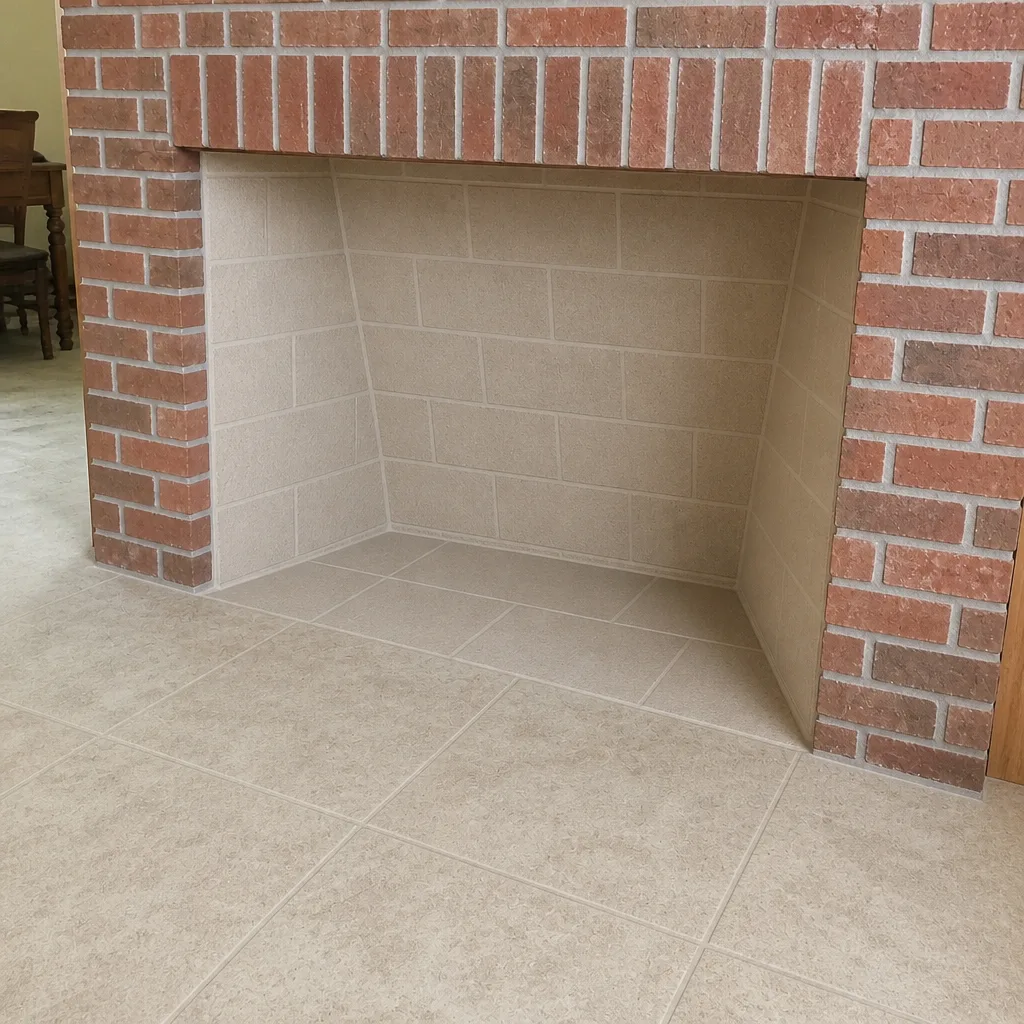
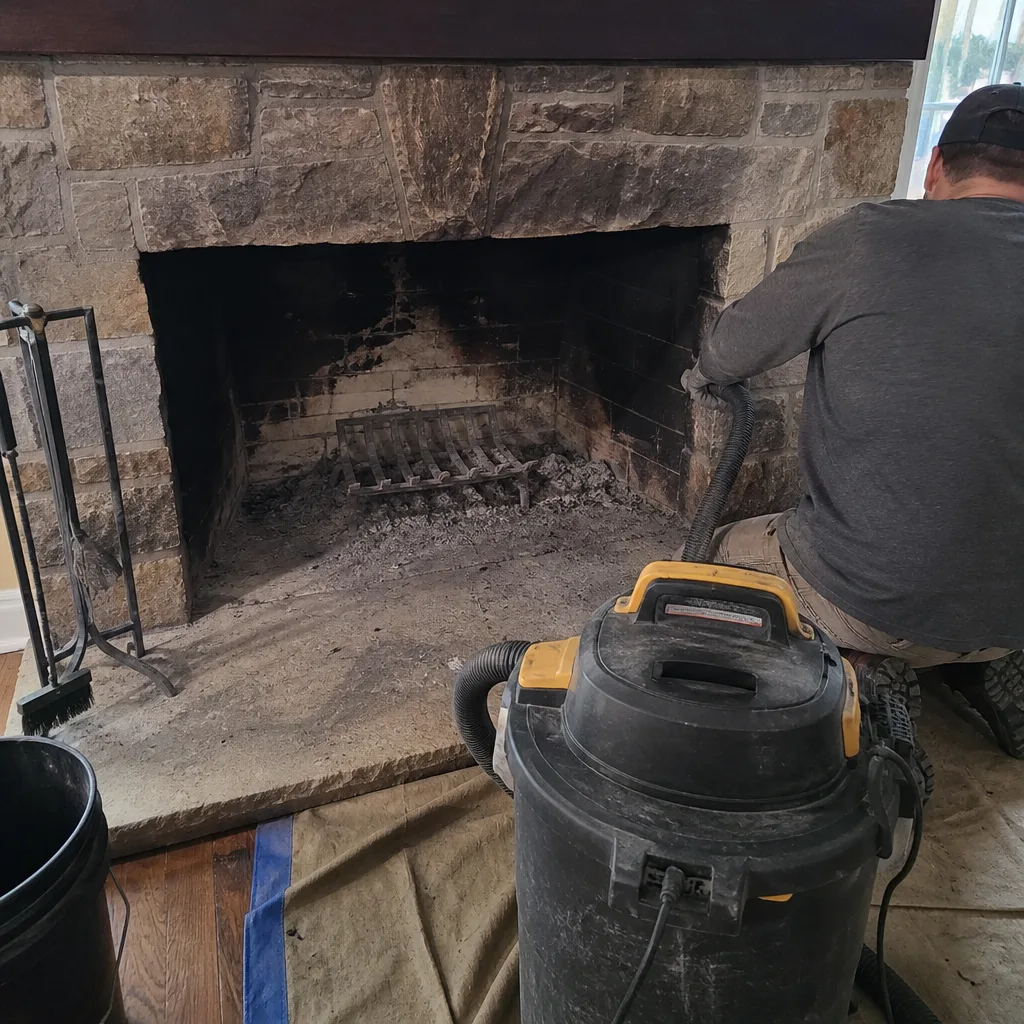
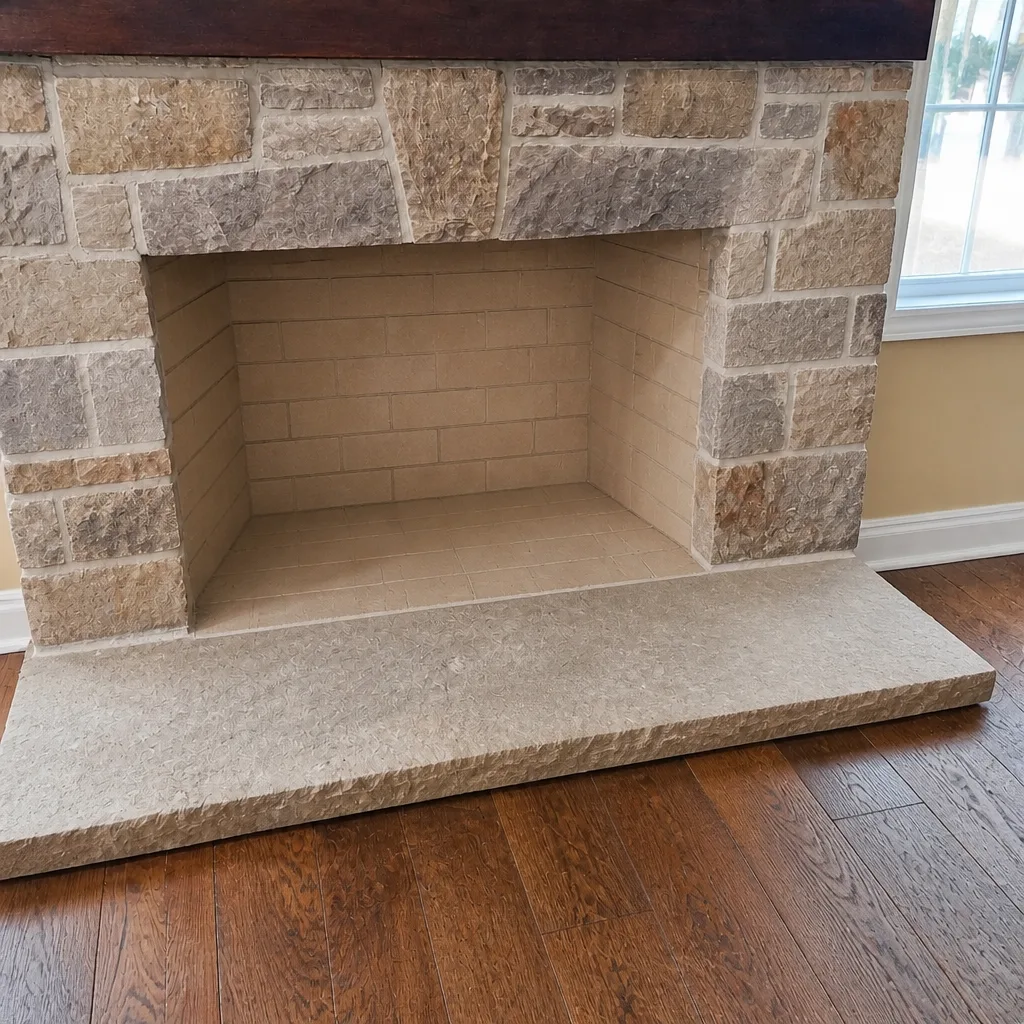
See the difference
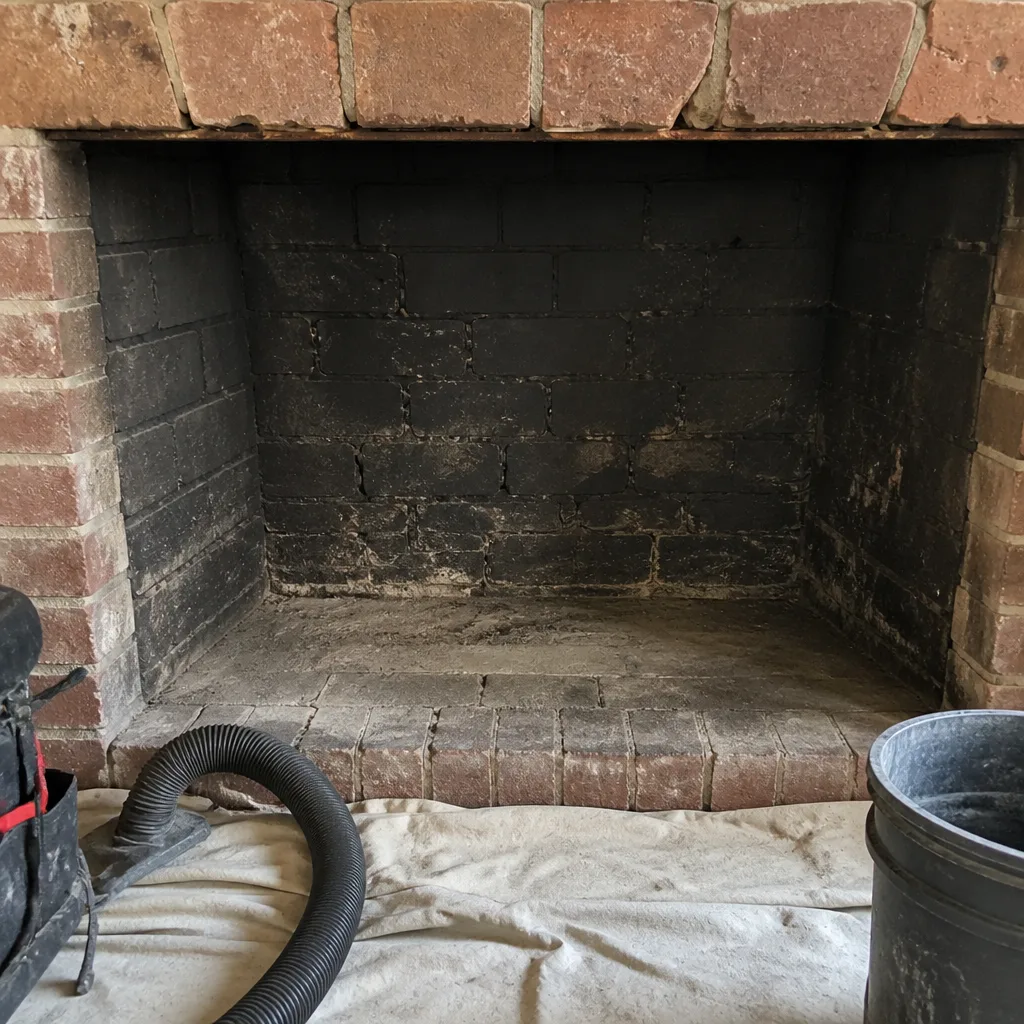 Before
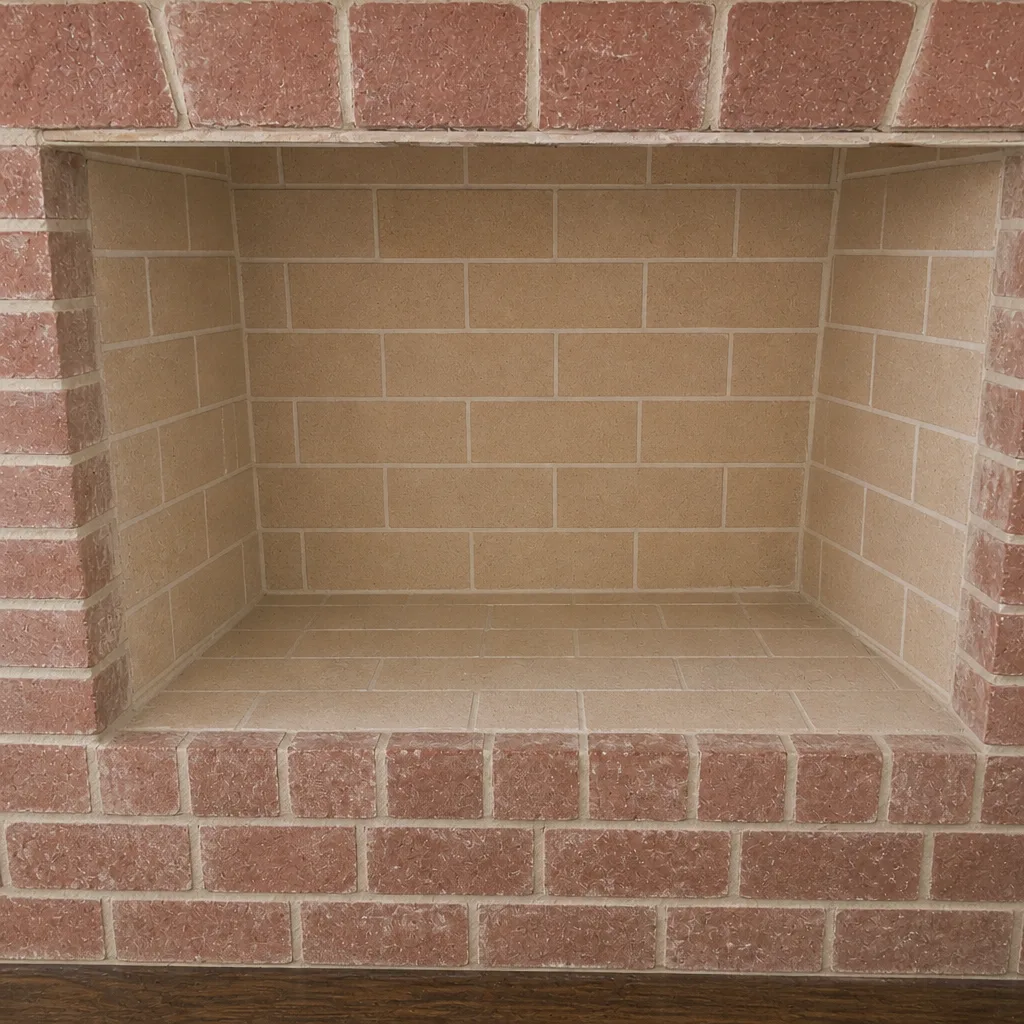 After
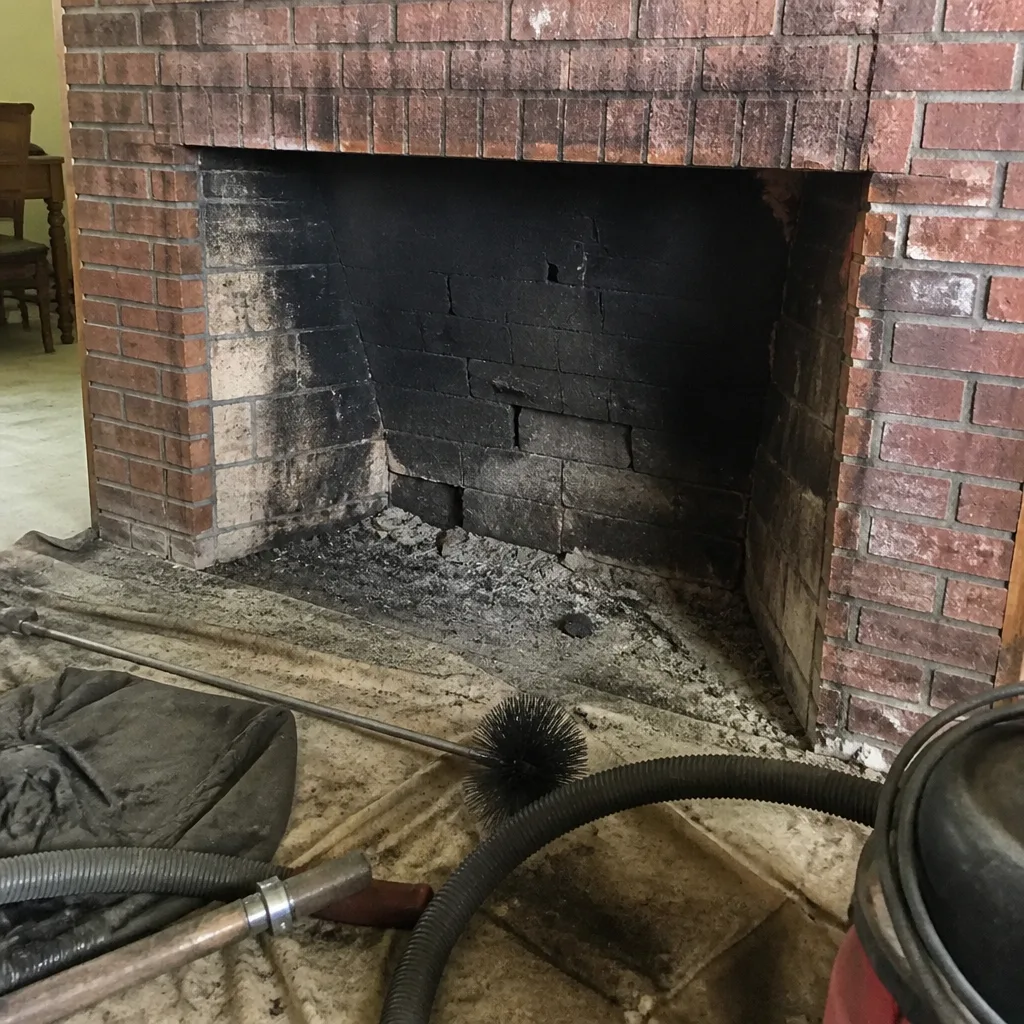 Before
 After
 Before
 After
When to Call a Professional
Call a professional when any Tier 1 warning sign appears, when you can’t identify the source of a smell or draft problem, or when it’s been two or more seasons since the last cleaning. Call also if you’ve moved into a St. George home and don’t have documentation of when the chimney was last inspected – the condition of an inherited chimney is unknown until it’s seen. Chimney Sweep St. George offers free estimates in St. George – call (855) 560-5292. We answer 24/7 with fast dispatch from 7am to 7pm, Sunday through Friday. Our technicians have up to 14 years of experience, and we work across the full chimney system – sweeping, inspection, cap and crown, liner work, and fireplace repair. Nothing gets recommended without camera evidence you can see for yourself.
Frequently Asked Questions
A strong creosote smell inside the house combined with visible smoke spillage into the room is the highest-urgency combination, because both point to a compromised draft path and elevated fire risk. Stop using the fireplace and get it inspected before the next burn. Call (855) 560-5292 for an exact quote – estimates are free.
White staining is serious when the brick itself is spalling (flaking or crumbling) beneath the stain, or when the stain is concentrated at the crown or flashing. Surface-only powder without spalling is usually a moisture issue worth repairing before it worsens, not a structural emergency. A camera inspection will tell you what’s happening under the masonry. Call (855) 560-5292 for an exact quote – estimates are free.
The summer-only smell is almost always creosote odor coming down a cold chimney, and it’s a sign the chimney is overdue for a cleaning. Warm outdoor air pushes the smell down into the house when nothing is drafting upward. A sweep removes the source. Call (855) 560-5292 for an exact quote – estimates are free.
You can skip a cleaning in a light-use year, but only if the last visit included a camera inspection and the flue condition was clean. If the previous season’s inspection flagged anything, or you don’t have a record of one, book the visit. Creosote can accumulate from a small number of slow, smoldering fires faster than you’d expect. Call (855) 560-5292 for an exact quote – estimates are free.
No. A smoky firebox can be caused by an open damper, a blocked cap, negative house pressure, a damaged liner, or an obstruction like a bird’s nest – none of which a sweep alone will fix. The right first step is a camera inspection and draft test, not a cleaning. Call (855) 560-5292 for an exact quote – estimates are free.
Shared chimney stacks in rowhouse and brownstone configurations, original clay tile liners that crack with age, unlined chimneys in the oldest homes, and fireplace conversions are the highest-risk configurations specific to St. George’s older housing stock. If your home is pre-war or unlined, an annual camera inspection is the minimum. Call (855) 560-5292 for an exact quote – estimates are free.
The Bottom Line
Warning signs are only useful if you know how to sort them. Tier 1 (creosote smell, smoke spillage, visible flue damage, missing cap) means stop using the fireplace and call this week. Tier 2 (efflorescence without spalling, damp smell after rain, draft decline over seasons, crusting crown) means schedule within 30 days. Tier 3 (light soot, faint draft on cold mornings, minor mortar cracks) means monitor at your next annual cleaning. The cheap part is the inspection. The expensive part is skipping it. Our technicians have up to 14 years of experience and can put eyes on the whole system – Chimney Sweep St. George covers sweeping, inspection, cap and crown, liner, and fireplace repair as one specialist for the whole chimney. If you’ve spotted a warning sign this season, call (855) 560-5292 for a free estimate. We answer 24/7 with fast dispatch from 7am to 7pm, Sunday through Friday.
Written by the team at Chimney Sweep St. George.