
Last updated November 23, 2026
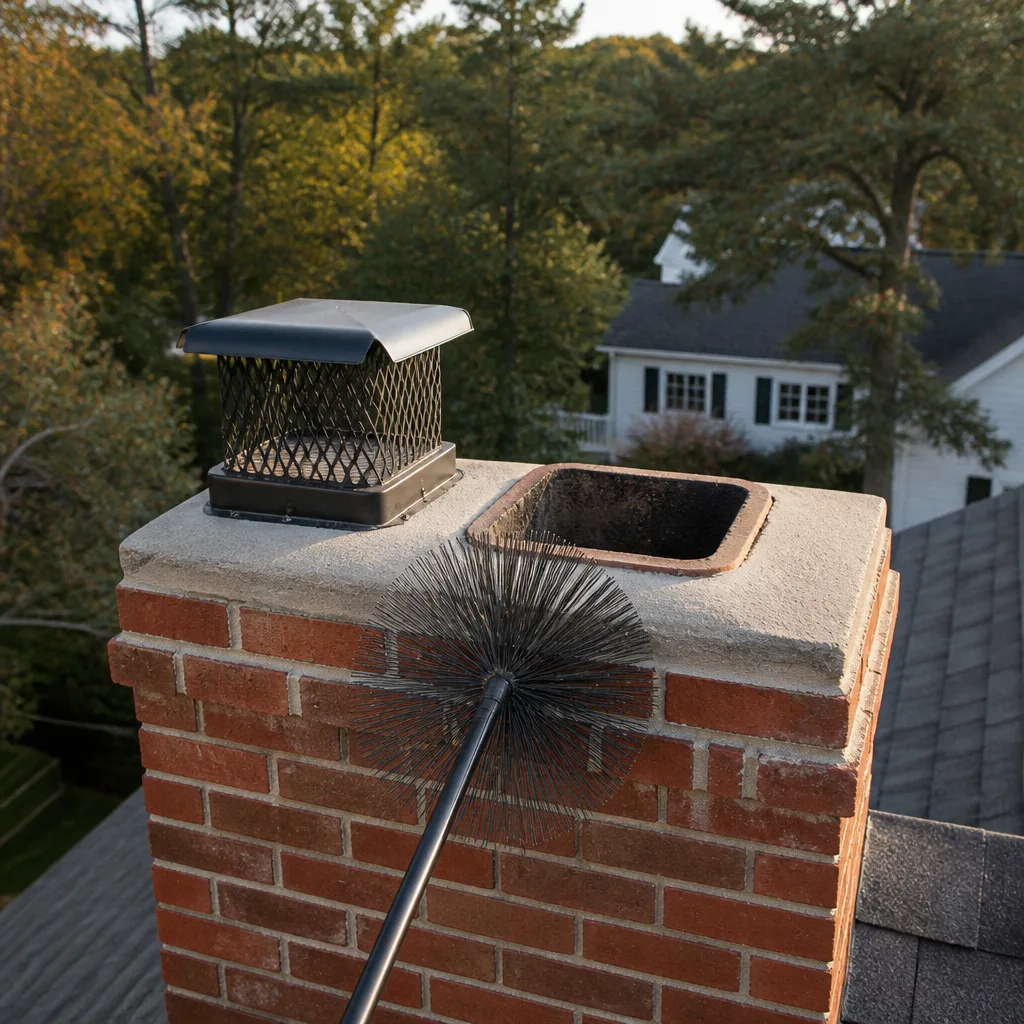 Sweep & inspection
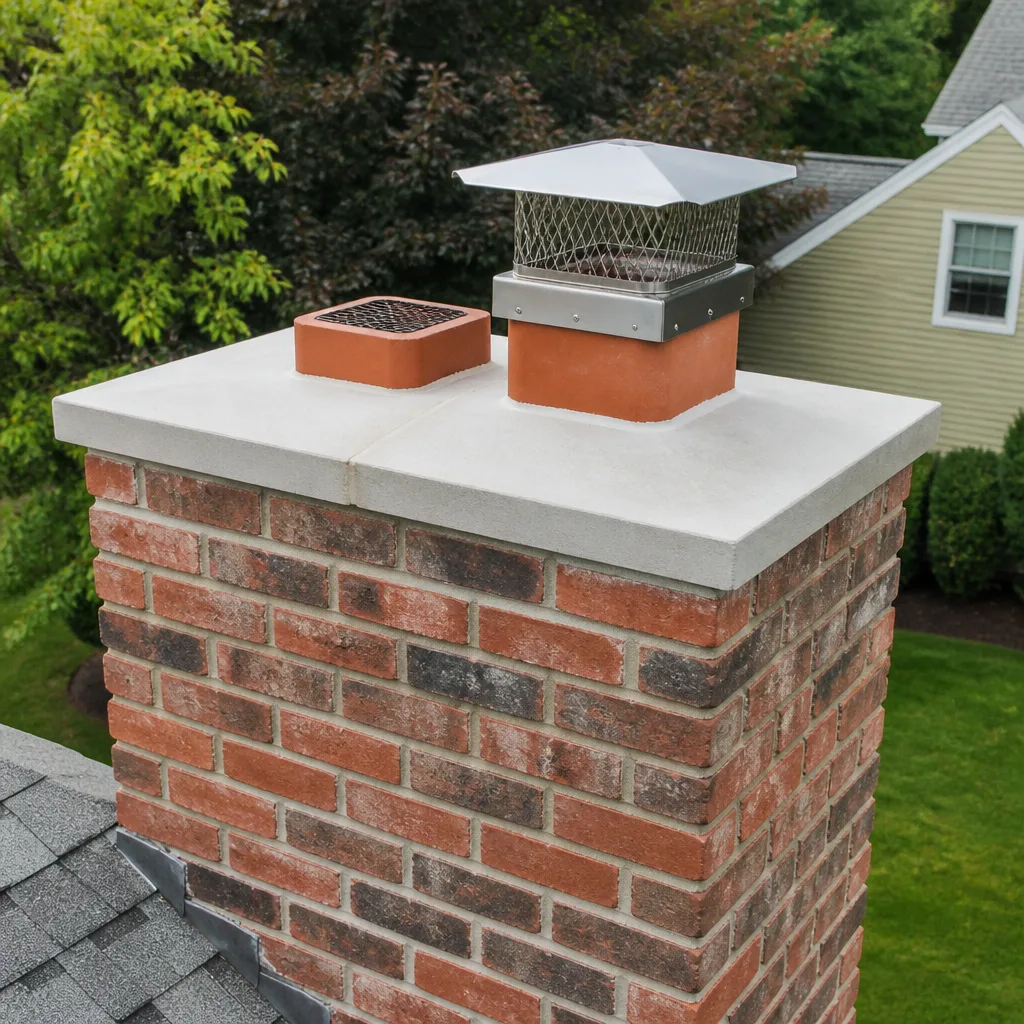 Caps & crowns
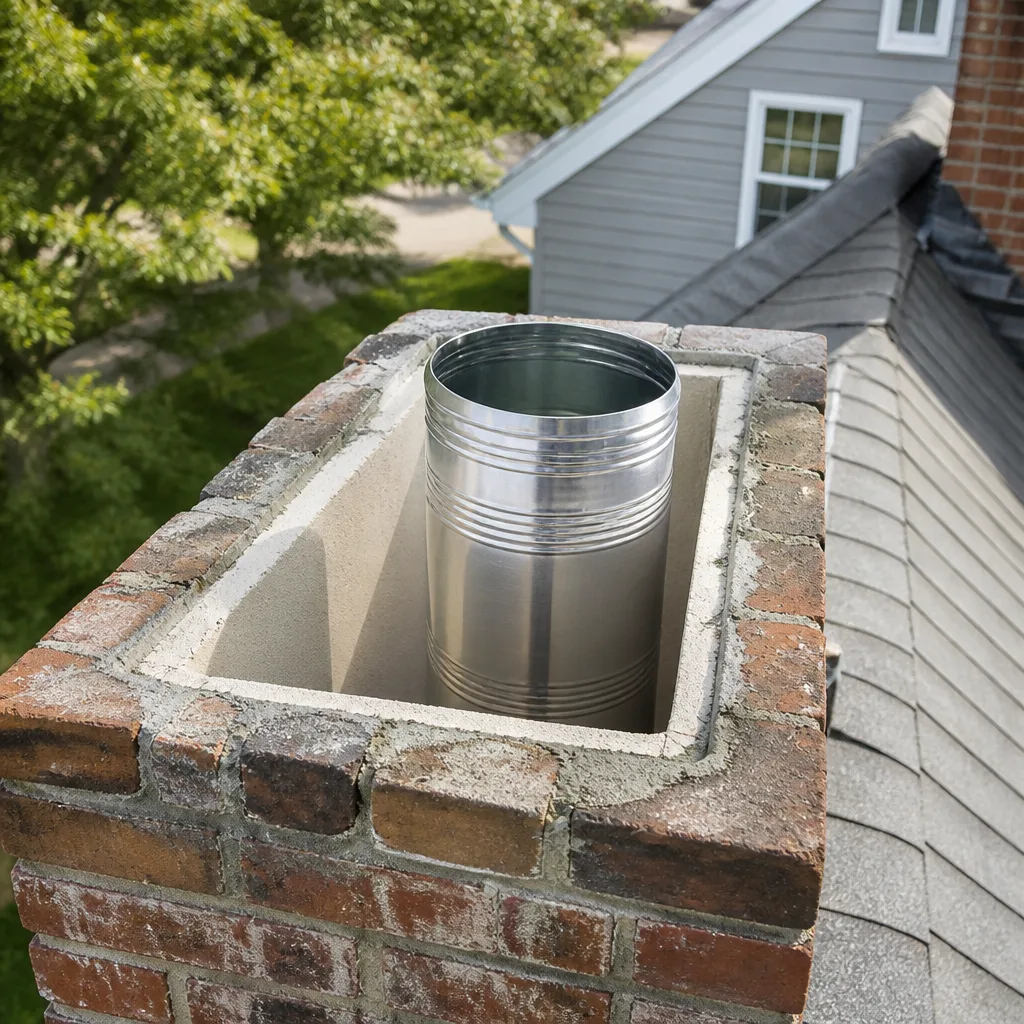 Flue relining
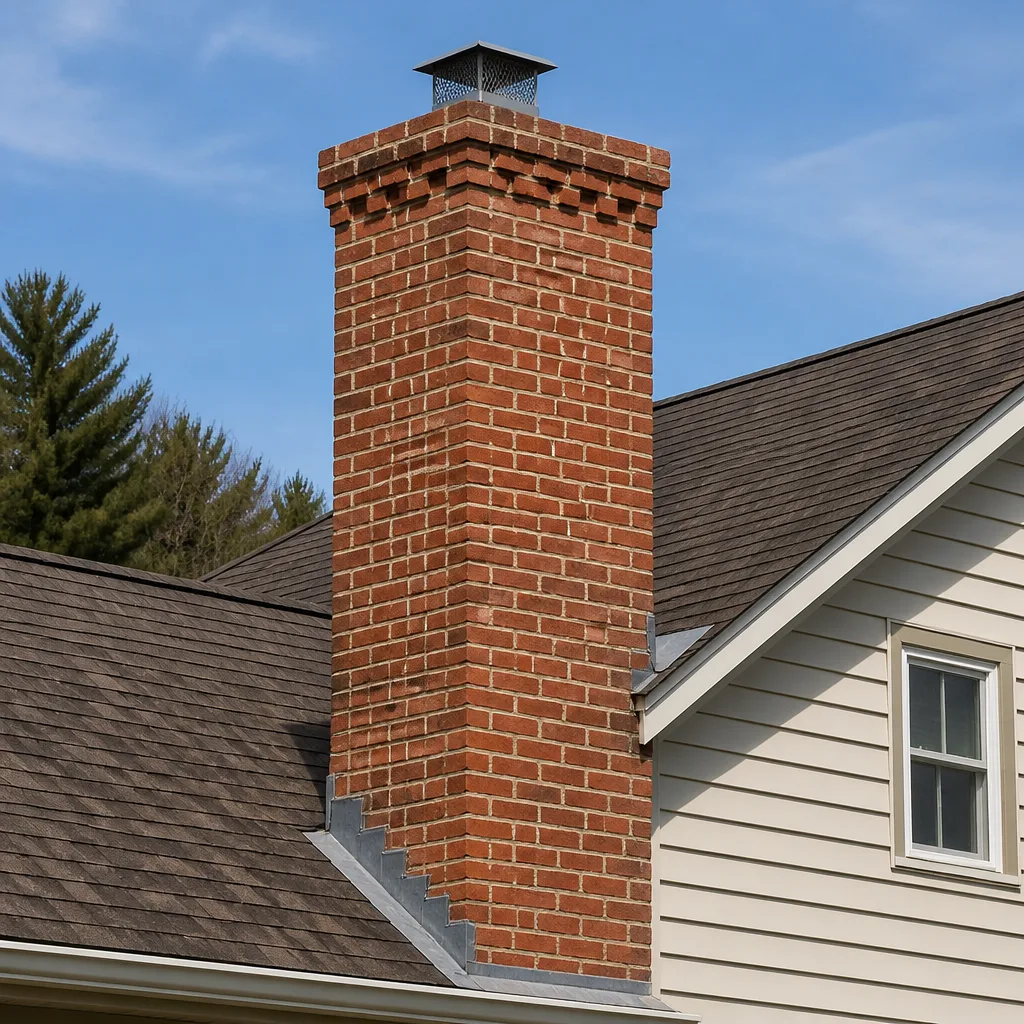 Masonry repair
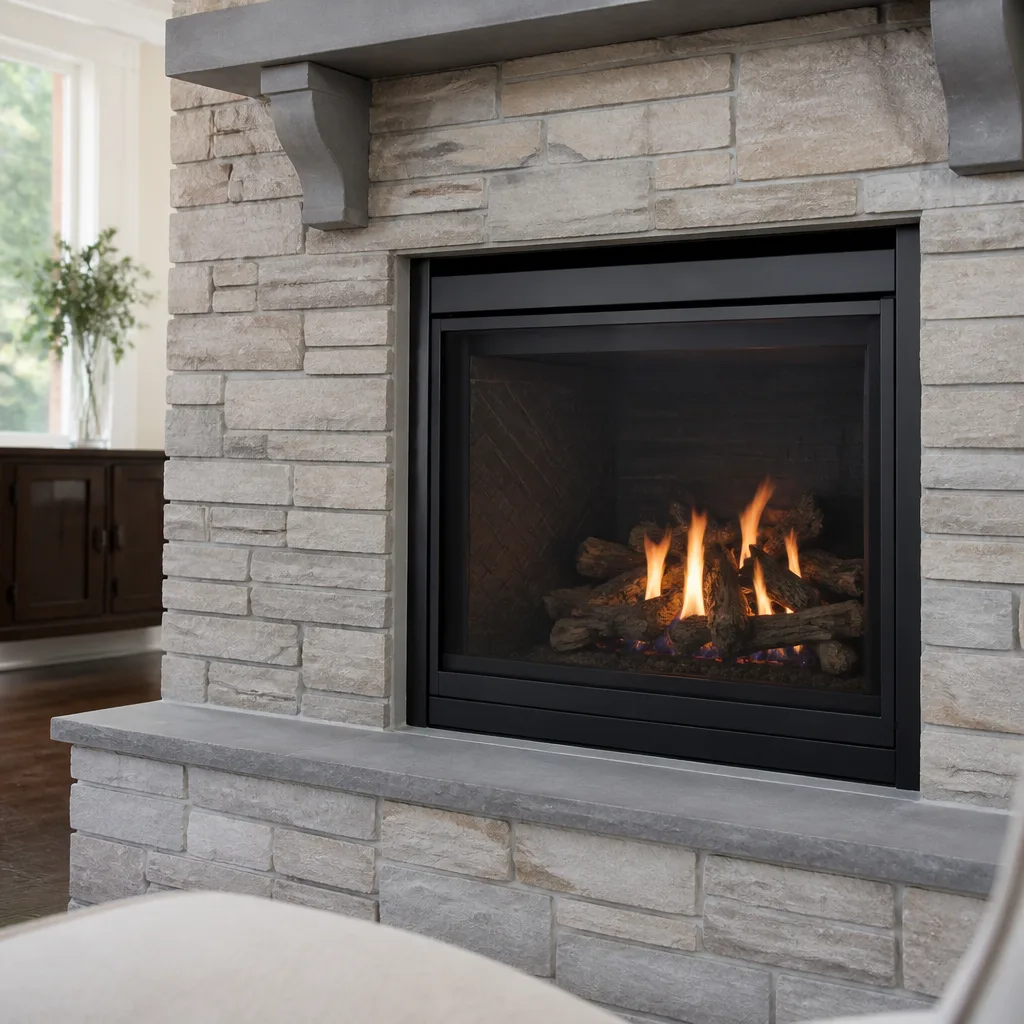 Gas fireplace service
Level 1 sweep and inspection to the NFPA 211 annual standard - flue, crown, cap, and flashing checked and photographed
Chimney sweep logs do not sweep chimneys. They loosen some creosote - which then falls where a brush and vacuum still have to collect it.
How to Hire a Chimney Cleaning Contractor in St. George: A Step-by-Step Guide
CSIA certification tells you a technician passed a test. It doesn’t tell you whether they carry the materials to fix what they find up there, or whether they hand you a written report before they pull out of your driveway. That gap is where most hiring decisions go wrong, because homeowners vet the credential and skip the part that actually protects them: what happens after the inspection. In this guide, we’ll walk through the questions that separate a sweep crew from a full-system specialist, show you what a proper post-service report should contain, and explain how to read a quote for vague pricing language before you book. If you’re hiring in St. George, this is the checklist we wish every homeowner had before the first phone call.
Quick Answer
Hiring a chimney cleaning contractor in St. George means verifying three things before you book: that the quote states exactly what’s included and what triggers an extra charge, that the contractor can actually perform repairs (not just cleaning), and that they issue a written report with photos and condition ratings after the service. Certification matters, but scope and documentation are what protect your home and your wallet. Ask what they’ll do with what they find, not just whether they’re qualified to look.
Styles & brands we work with
- Sweep & inspection
- Caps & crowns
- Flue relining
- Masonry repair
- Gas fireplace service
Table of Contents
- Why Vetting a Chimney Contractor Is Different From Hiring Any Other Trade
- Full-System Specialist vs. Sweep Crew: Which Do You Actually Need?
- The Questions to Ask About What a Quote Includes
- Why a Sweep-Only Contractor Has a Reason to Underreport Findings
- What a Proper Post-Service Report Should Contain
- How to Verify Insurance Covers Both Your Roof and Their Technician
- St. George Conditions That Affect Chimney Wear
- Red Flags in Vague Pricing Language
Why Vetting a Chimney Contractor Is Different From Hiring Any Other Trade
Most trades leave visible evidence of their work. A plumber’s repair either holds or it doesn’t. An electrician’s outlet either powers the lamp or it doesn’t. Chimney work is different: almost everything a technician inspects happens inside a flue you can’t see, and the finished result of a sweep looks identical whether the job was done thoroughly or rushed. That asymmetry is exactly why vetting a chimney contractor requires more than a license check.
The consequences of a bad job aren’t cosmetic. A missed creosote buildup or a hairline flue crack is a fire and carbon monoxide risk that lives in your house quietly until it doesn’t. In St. George, where wood-burning fireplaces see heavy seasonal use and the dry climate accelerates crown and mortar deterioration, the gap between a thorough contractor and a careless one matters more than it would in a milder region.
Here’s what makes chimney hiring unique:
- The work is unverifiable from the ground. You can’t see the flue from your driveway. Documentation is your only real check.
- Cleaning and repair are separate skill sets. Plenty of companies sweep. Far fewer can resurface a liner, set a crown, or hang a cap correctly.
- The findings drive the revenue. A contractor who can only clean has a financial reason to downplay problems they can’t fix. This is the single biggest gap in most vetting processes.
- The vocabulary is unfamiliar. Homeowners hear “flue,” “crown,” “cap,” “damper,” and “liner” and reasonably aren’t sure which of those actually matter.
Approach the hiring process the way you’d approach a home inspection: you’re not just buying a service, you’re buying a documented assessment you can hold in your hand. That reframe is the foundation for everything below.
Full-System Specialist vs. Sweep Crew: Which Do You Actually Need?
A sweep crew cleans. A full-system specialist cleans, inspects, and repairs the entire chimney assembly – flue liner, cap, crown, firebox, damper, and masonry. The difference sounds academic until something needs fixing, at which point the sweep crew refers you to a mason, who refers you to a liner installer, who never talks to the sweep crew. Fragmented responsibility is how small problems become expensive ones.
Which one you need depends on your situation:
- You use your fireplace a few times a season and had it serviced recently. A competent sweep crew with basic inspection capability is probably adequate – as long as they document their findings.
- You’ve deferred service for a few years. You want a full-system specialist. The longer the gap, the higher the odds there’s structural wear alongside creosote.
- You’ve had water intrusion, a cracked crown, or visible masonry damage. You want a specialist. A sweep crew can’t fix any of it.
- You’re buying or selling a home in St. George. You want a full inspection with a written report, which is specialist territory.
- You’ve been told you need a new liner. Definitely a specialist. More on this in the next sections.
The practical takeaway: even if you only need cleaning today, hiring a full-system specialist means the same company can handle anything the inspection turns up. No referral runaround, no knowledge lost between vendors, no double-booking. That’s the model we work from at Chimney Sweep St. George, because in our experience the biggest problems come from what falls between two contractors who never talk to each other.
The Questions to Ask About What a Quote Includes
A chimney quote should answer three questions explicitly: what’s included, what’s not, and what specific conditions trigger an additional charge. If any of those three is vague, you don’t have a quote, you have an estimate-in-name-only. The most expensive chimney jobs we’ve seen were the ones where the homeowner booked on a low upfront number and discovered the real cost after the technician was already on the roof.
Ask these questions before you book:
- “Does this price include the inspection, or is that separate?” Some companies quote the sweep and charge the inspection as a line item.
- “What’s the additional charge if the flue needs a second pass?” Heavy creosote sometimes requires more than one cleaning stage. A quote that doesn’t mention this isn’t telling you the whole story.
- “Is the camera inspection included?” A visual from the top of the flue is not the same as a camera run through the liner.
- “Do you charge extra for a cap removal and reinstall?” Some do. It should be stated up front.
- “What’s the price range if you find a cracked liner or damaged crown?” You don’t need an exact figure, but you want to know the ballpark before you’re on the roof deciding.
- “Does the price include a written report?” If not, why not?
Watch for quotes that use phrases like “starting at,” “from $X,” or “typical jobs run…” without naming what makes a job typical. Watch for quotes that list a single flat number with no conditions attached – that often means the price will move the moment the technician finds anything beyond light soot. A written estimate should tell you the price per job before you book, and it should hold. That’s a fair expectation to set on the first call.
Why a Sweep-Only Contractor Has a Reason to Underreport Findings
This is the point almost nobody talks about, and it’s the reason we wrote this guide. A contractor who can only clean has a structural incentive to soft-pedal problems they can’t fix. Not because they’re dishonest – but because telling you “your crown is cracked and your liner is deteriorating” when their only service is sweeping leaves them with nothing to offer and a service call that feels incomplete. So the finding gets a gentle mention, or a suggestion to “keep an eye on it,” and it gets forgotten.
Full-system specialists don’t have that problem. When we find a damaged crown, we can re-crown it. When we find a deteriorating liner, we can resurface it with HeatShield – a restoration system applied by trained applicators that can extend the life of a flue without full liner replacement – or install a new liner using a professional-grade system like DuraFlex. The materials roster matters here: sourcing from Olympia Chimney, Famco, Gelco and similar professional-grade suppliers means the repair isn’t limited to whatever happens to be available.
What this means for you as a homeowner:
- Ask directly: “If you find a problem you can’t fix, what’s your process for documenting it and referring it?” A good sweep-only contractor will hand you photos and a written recommendation. A weak one will mumble.
- Ask: “What percentage of your business is repair, and what percentage is cleaning?” If it’s 100% cleaning, they aren’t the right first call for a system you suspect is worn.
- Ask: “Who would you send me to for a liner, and are they independent of you?” This tells you whether they have a real referral network or just a phone contact.
The bottom line: cleaning capability and diagnostic honesty aren’t the same thing. Hire for both.
What a Proper Post-Service Report Should Contain
A chimney report isn’t a receipt. It’s a condition assessment you can use to plan maintenance and, if needed, share with a homeowner’s insurance company or a buyer’s inspector. If your contractor hands you a handwritten note that says “swept, all good,” you’ve been shortchanged. Here’s what a proper report should include:
- Photos of the firebox, damper, smoke chamber, flue interior, crown, cap, and exterior masonry. Not a token image – actual coverage of the components inspected.
- Condition ratings for each component. Typically on a serviceable / monitor / needs-repair / unsafe scale. A rating tells you the priority.
- Creosote level in the flue. Degree 1, 2, or 3 – this tells you how much buildup was removed and how soon you’ll need another sweep.
- Any evidence of water intrusion. Staining, rust on the damper, crumbling mortar at the crown. Water is the leading cause of chimney deterioration in this climate.
- Carbon monoxide risk indicators. Blocked flue, deteriorated liner, damaged damper – anything that could compromise venting.
- A recommended timeline for any follow-up work. This is the piece most reports skip. “Replace the crown before the next burning season” is actionable. “Crown looks worn” is not.
- The name of the technician, the date, and the company’s contact information. So there’s a record of who did the work and when.
When you’re comparing contractors in St. George, ask to see a sample report before you book. Any specialist worth hiring will have one ready to show you. If a contractor can’t produce a sample report, that’s your answer about how seriously they take documentation.
How to Verify Insurance Covers Both Your Roof and Their Technician
Chimney work happens on your roof, which means two separate insurance questions matter: what happens if your roof or chimney gets damaged, and what happens if the technician gets hurt while on your property. A contractor who’s covered for one and not the other leaves you exposed. And “we’re insured” said casually on a phone call is not verification.
What to actually ask for:
- General liability insurance. This is what covers damage to your property. Ask for a certificate of insurance naming the policy and its current coverage period. Don’t accept “we’ve been insured for years” – ask for the document.
- Workers’ compensation coverage. This is what covers a technician injured on your property. Without it, your homeowner’s policy can become the fallback. This is the coverage most homeowners never think to check.
- Current expiration date on both. Coverage that lapsed six months ago is no coverage at all. The certificate should show an active policy term.
- The insured entity name. It should match the business you hired. A certificate for a parent company or an unrelated entity doesn’t protect you.
Requesting insurance documentation is not a sign of distrust. It’s a routine part of hiring any contractor who’s working above your roofline. A professional expects the question and has the paperwork ready. If a contractor hesitates or changes the subject, that hesitation is a finding. We can’t speak for other companies, but the local professionals we connect homeowners with are expected to carry insurance appropriate for the work being performed, and we’d encourage you to verify it the way you would with any contractor.
For the deeper detail on what a proper inspection should cover, our page on chimney sweep walks through the component-by-component process – useful to read before you call.
St. George Conditions That Affect Chimney Wear
Chimneys don’t wear uniformly across the country. What fails first in St. George is different from what fails first in a wet coastal climate, and knowing the local pattern helps you ask smarter questions when you’re vetting a contractor.
Three conditions shape chimney wear here:
- Long dry summers followed by sharp transitions to burning season. The masonry goes through expansion and contraction cycles that open small cracks in mortar joints and crowns. Those cracks let water in during the rainy stretches, which then freezes and widens the gap.
- Wide day-night temperature swings during burning season. These cycles are hard on crowns and on the mortar at the chimney top, which is where deterioration shows first.
- Heavy seasonal wood burning. St. George gets cold enough in winter that fireplaces see real use, which means real creosote accumulation. Creosote is the fuel source in most chimney fires, and its buildup rate depends on what’s being burned and how often.
What this means when you’re hiring: ask the contractor how often they see crown cracking in this area, what they typically recommend as a maintenance interval for a wood-burning fireplace here, and whether they carry the materials to re-crown or resurface without a full replacement. A contractor who works in St. George regularly will have specific answers. The chimney cap & crown work is a good test here – a company that performs it can speak to local crown wear in detail.
Climate also drives the decision between resurfacing and replacement. HeatShield resurfacing is often a viable path for a liner that’s deteriorated but still structurally sound, and it costs less than a full replacement. Not every contractor offers it. If a company quotes you a full liner replacement without mentioning resurfacing as an option, ask why – and ask whether the liner is actually too far gone for restoration, or just too far gone for their capabilities.
Red Flags in Vague Pricing Language
Pricing language is where the vetting process either protects you or fails you. A quote can look specific and be strategically vague at the same time. Here are the specific phrases that should make you ask a follow-up question before you book:
- “Starting at $X.” This is not a price. It’s a floor. Ask what the ceiling is and what conditions move it.
- “Additional charges may apply.” Ask which charges, in what conditions. If the answer is “depends on what we find,” ask for the list of common findings and their price ranges.
- No camera inspection mentioned. A visual check from the top of the flue is not a full inspection. The camera goes where the eye can’t.
- Quote doesn’t mention the crown, cap, or exterior masonry. Those are part of the chimney. If the quote only addresses cleaning, you haven’t been quoted for chimney service – you’ve been quoted for sweeping.
- You’re told you need a new liner before any inspection has been done. A diagnosis without a look is a guess, not a finding.
- Pressure to book today for a lower price. Chimney work isn’t perishable. A contractor who relies on urgency is telling you something about how they sell.
- No written estimate. A verbal quote is not a contract. A written estimate sets the final price, and it should be signed and dated before work begins.
Run every quote you receive through this filter. If two of these appear in the same conversation, call someone else.
Common Mistakes to Avoid
- Booking on price alone. A cheap sweep that misses a cracked crown costs far more than a thorough service that catches it. Compare quotes on what’s included, not just the number.
- Not asking for the report up front. Ask to see a sample report before you book. If a contractor can’t produce one, you’ve learned something important about how they operate.
- Hiring a sweep crew for a deferred-service chimney. If it’s been several years, don’t book a basic clean. Book a full inspection with a specialist who can repair what they find.
- Assuming insurance equals “we’re covered.” Verify both liability and workers’ comp with current certificates. A single “we’re insured” statement doesn’t cover your roof or the person on it.
- Accepting a liner replacement quote without a camera inspection. In St. George, resurfacing with HeatShield is often a viable alternative to full replacement. Ask whether restoration was considered.
- Skipping the crown and cap check. Water intrusion is the leading cause of chimney deterioration in this region. If the quote doesn’t mention the top of the chimney, it’s incomplete.
- Ignoring the creosote level. A report that doesn’t state the creosote degree doesn’t tell you how soon you’ll need the next sweep. Ask for it.
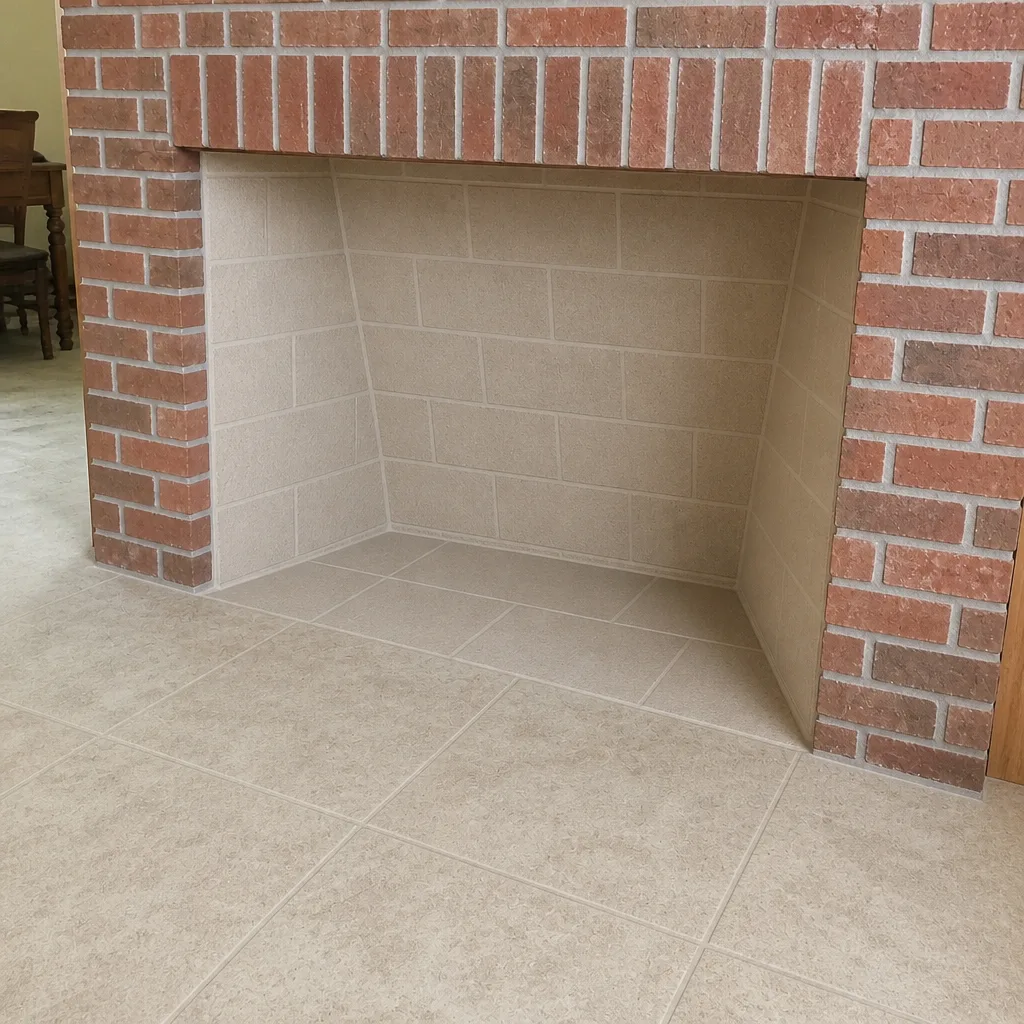
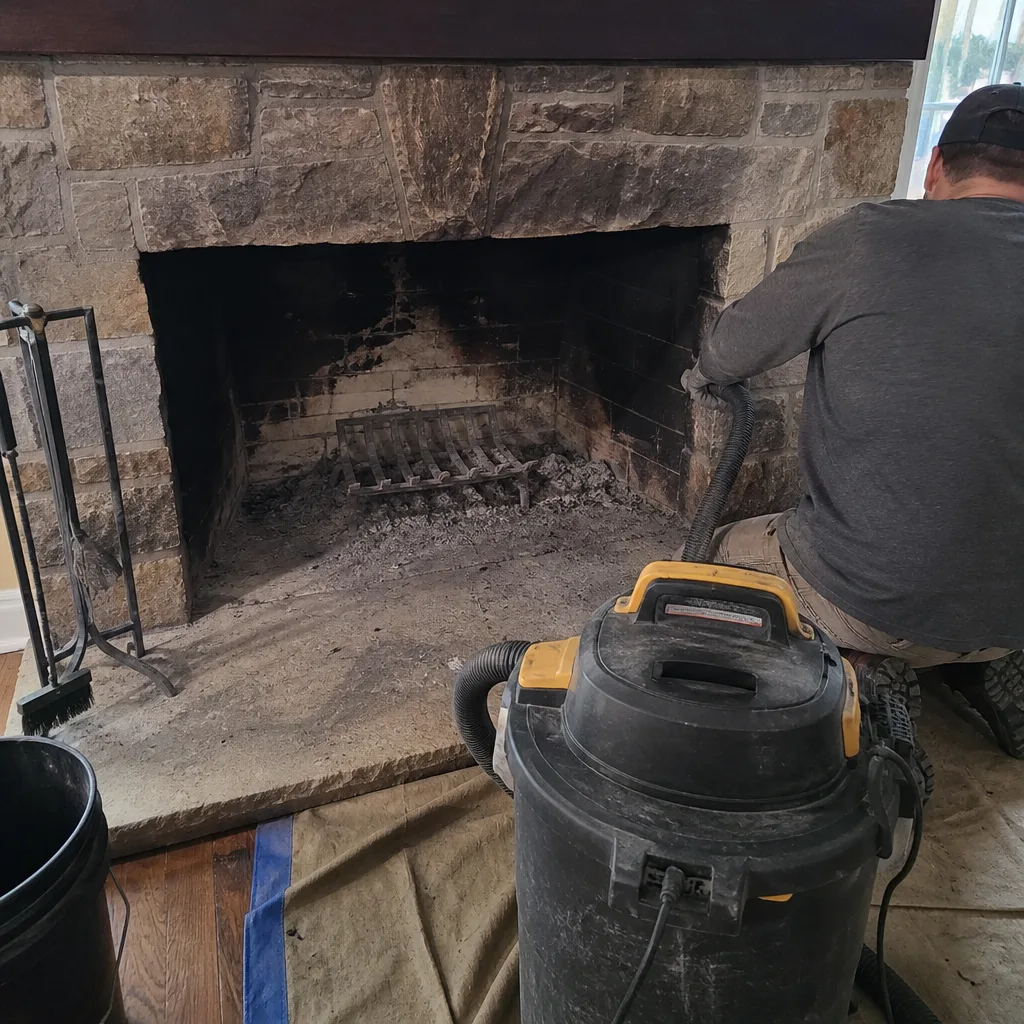
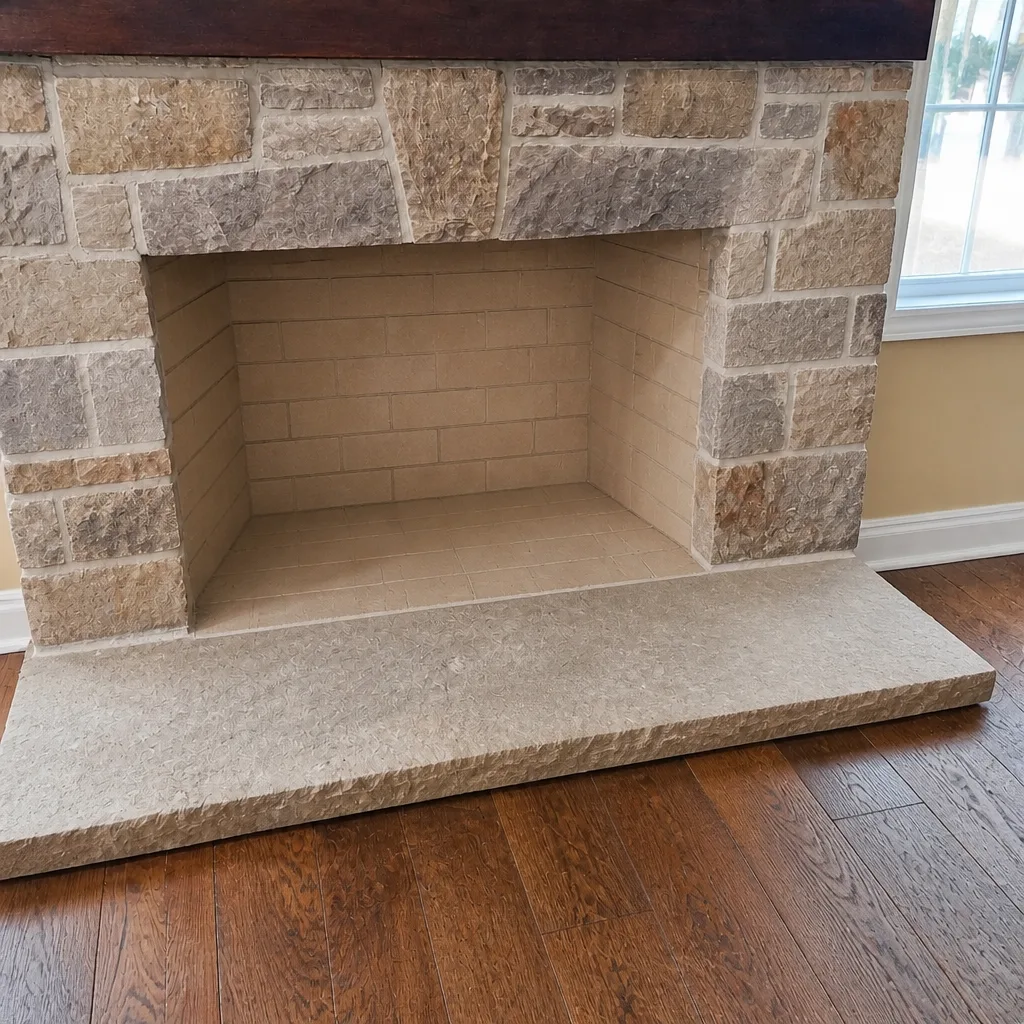
See the difference
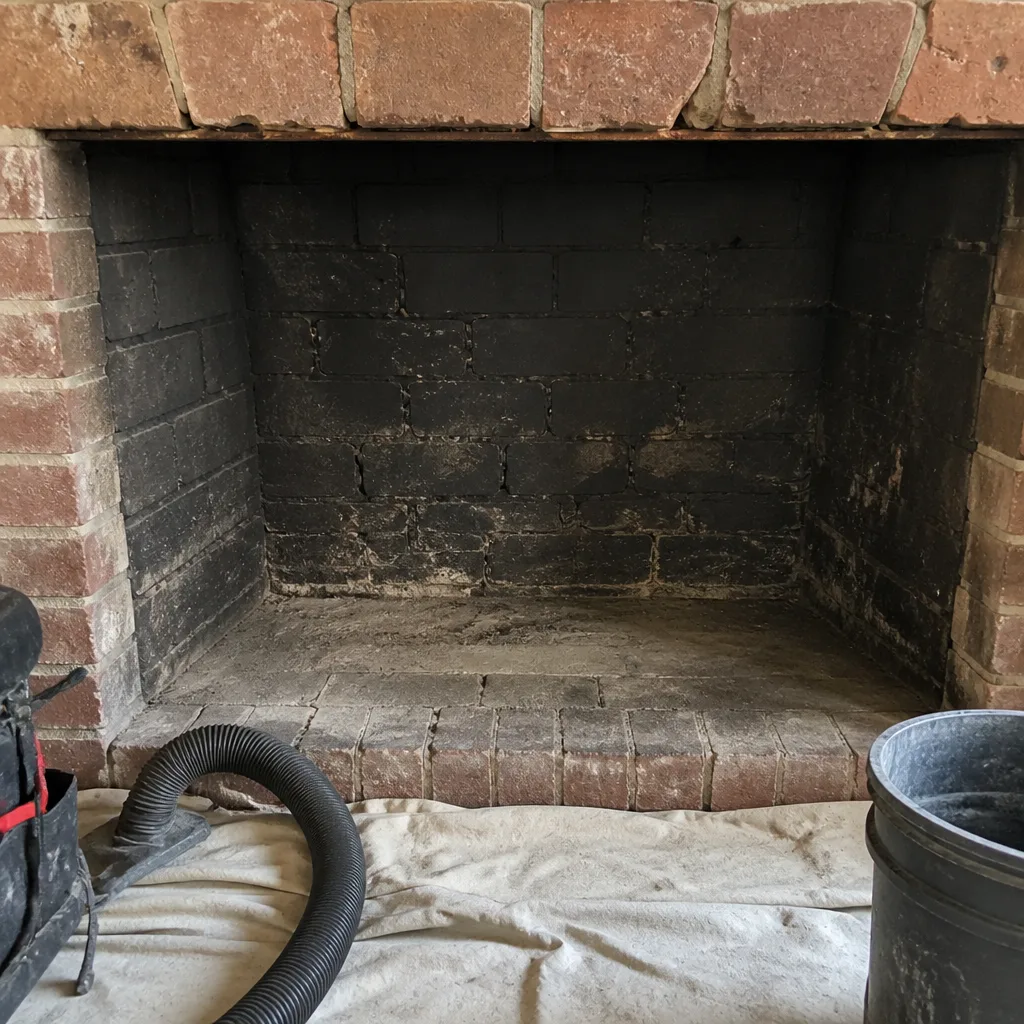 Before
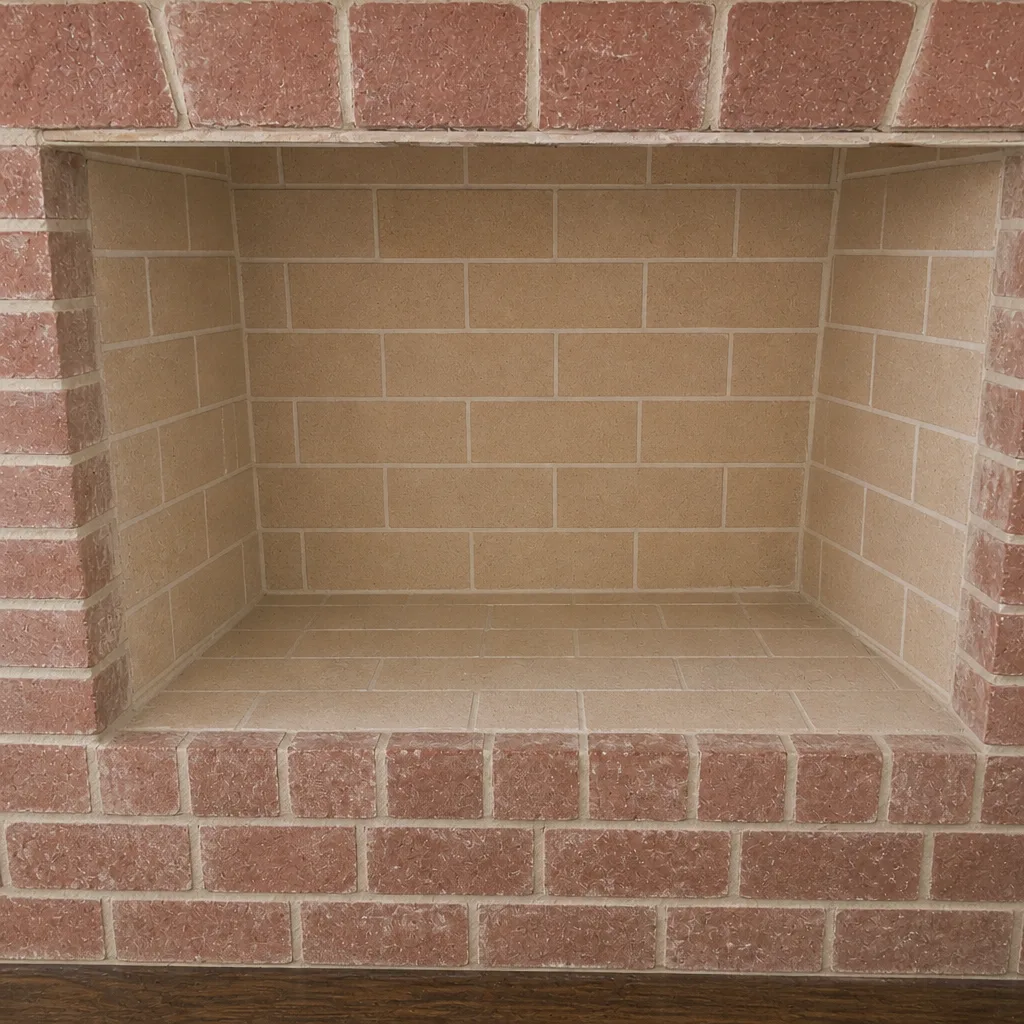 After
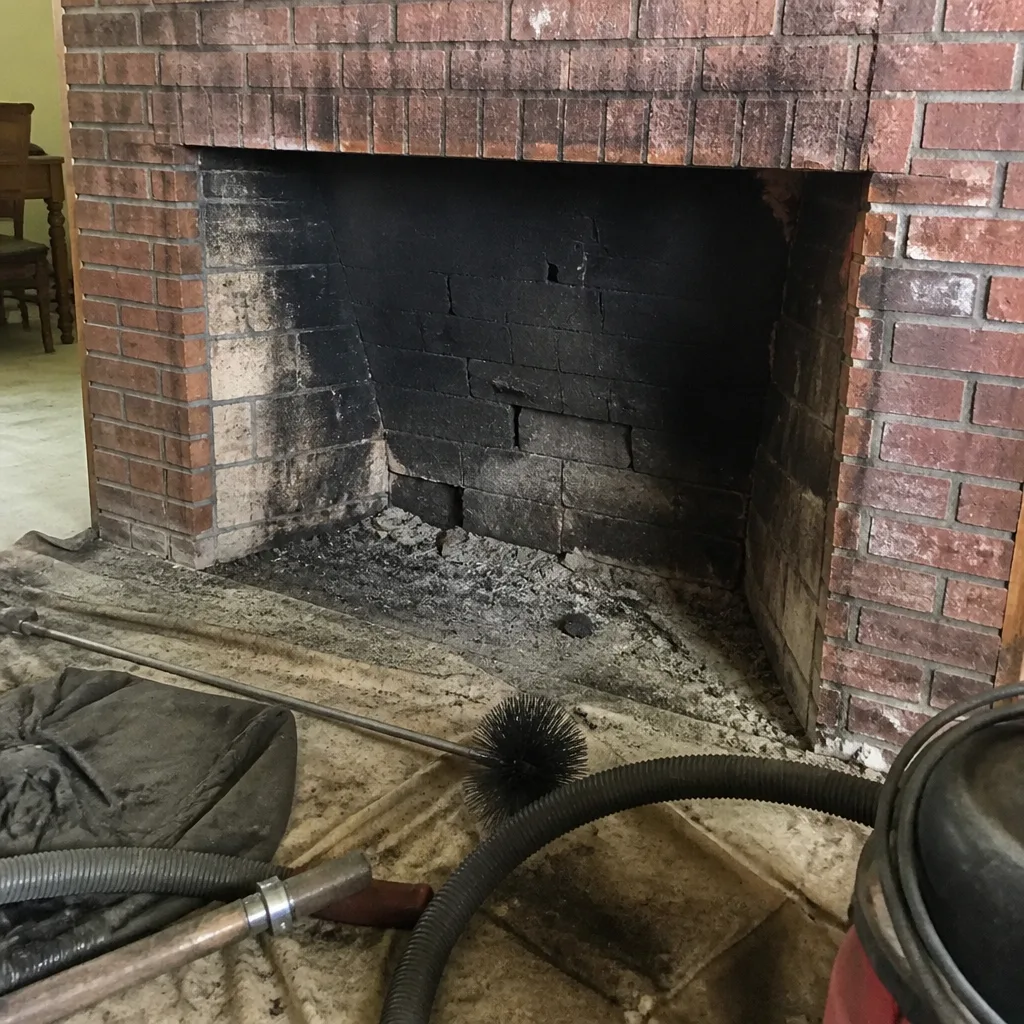 Before
 After
 Before
 After
When to Call a Professional
Some chimney conditions are maintenance. Others are safety issues that shouldn’t wait. Call a professional if you’ve noticed staining on the chimney exterior or rust on the damper, if you can smell smoke in the room when the fireplace isn’t in use, if you’ve had water coming in around the chimney during rain, or if it’s been more than a season since the chimney was inspected. If you’re buying or selling a home in St. George and need documentation for the transaction, book a full inspection – a receipt won’t stand up to a buyer’s inspection. And if anyone has told you the liner needs replacing, get a second opinion from a full-system specialist who can confirm the finding with a camera and discuss restoration before replacement. Chimney Sweep St. George offers free estimates in St. George – call (855) 560-5292. We answer 24/7. Fast dispatch from 7am to 7pm, Sunday through Friday.
Frequently Asked Questions
Pricing is set per job by the written estimate, and the range depends on the flue condition, creosote level, and whether the inspection is included. Call (855) 560-5292 and we’ll set a written estimate before booking – estimates are free.
Not always. Liner deterioration exists on a spectrum, and HeatShield resurfacing can restore a structurally sound but worn liner without a full replacement, often at lower cost. The only way to know which you need is a camera inspection – the estimate should state which one applies and why, based on what the camera shows. Call (855) 560-5292 to book an inspection.
For a wood-burning fireplace in regular use, once a year is the standard recommendation, and often more frequently if you’re burning heavily. A thorough report states the creosote level so you can plan the next sweep. Call (855) 560-5292 to book, and we’ll tell you what interval makes sense for how you burn.
Creosote accumulates whether you think about it or not, and it’s the primary fuel in a chimney fire. A cracked liner or blocked flue also raises carbon monoxide risk in the home. Skipping isn’t a slow cosmetic decline; it’s a gradual loss of the safety margin your chimney is designed to provide. Call (855) 560-5292 to get it checked – estimates are free.
Yes. A proper report includes photos of the firebox, damper, smoke chamber, flue interior, crown, and cap, plus condition ratings for each component, the creosote level, and a recommended timeline for any follow-up work. Ask to see a sample report before you book – any specialist worth hiring will have one to show.
A sweep crew cleans. A full-system specialist cleans, inspects, and repairs the entire chimney assembly – liner, cap, crown, damper, and masonry. The practical difference: when a specialist finds a problem, they can fix it. When a sweep crew finds one, they refer it out. For a chimney in fireplace repair territory or one that hasn’t been serviced in a few years, the specialist model is the safer bet.
The Bottom Line
Hiring a chimney contractor isn’t a credential check. It’s a question of what the contractor will do with what they find. Verify the quote’s inclusions and triggers before you book, ask whether the company can repair what they discover, insist on a written report with photos, ratings, and a timeline, and check both liability and workers’ comp insurance with current certificates. Hire a full-system specialist when the chimney has been deferred, damaged, or is part of a real-estate transaction. In St. George, where dry summers and heavy burning seasons work on the masonry year after year, the contractor who documents their findings and can act on them is the one who keeps the system built to last another season.
Chimney Sweep St. George provides chimney sweeping, chimney inspection, fireplace repair, chimney cap and crown service, and chimney repair – the full system, handled by one specialist. Our technicians have up to 14 years of experience. Call (855) 560-5292 for a free estimate. We answer 24/7. Fast dispatch from 7am to 7pm, Sunday through Friday.
Written by the team at Chimney Sweep St. George.