
Last updated November 23, 2026
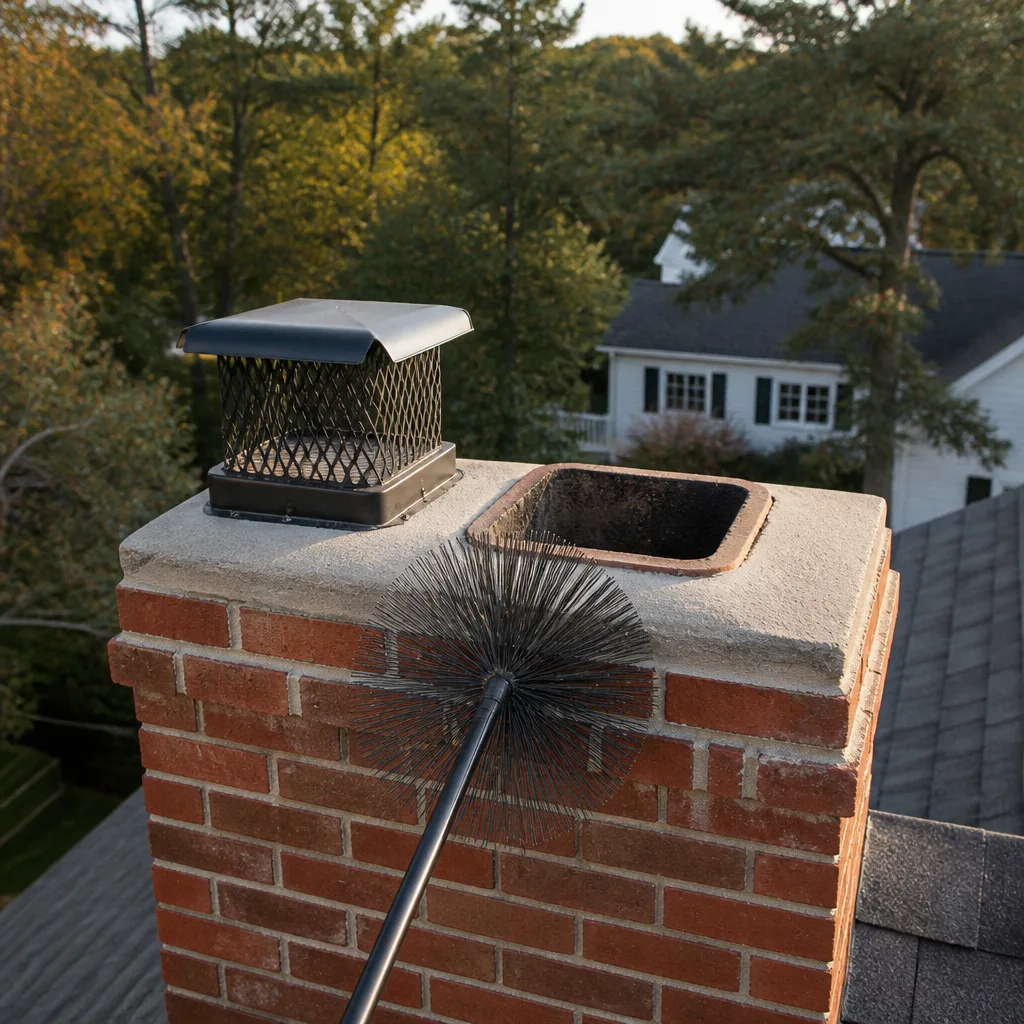 Sweep & inspection
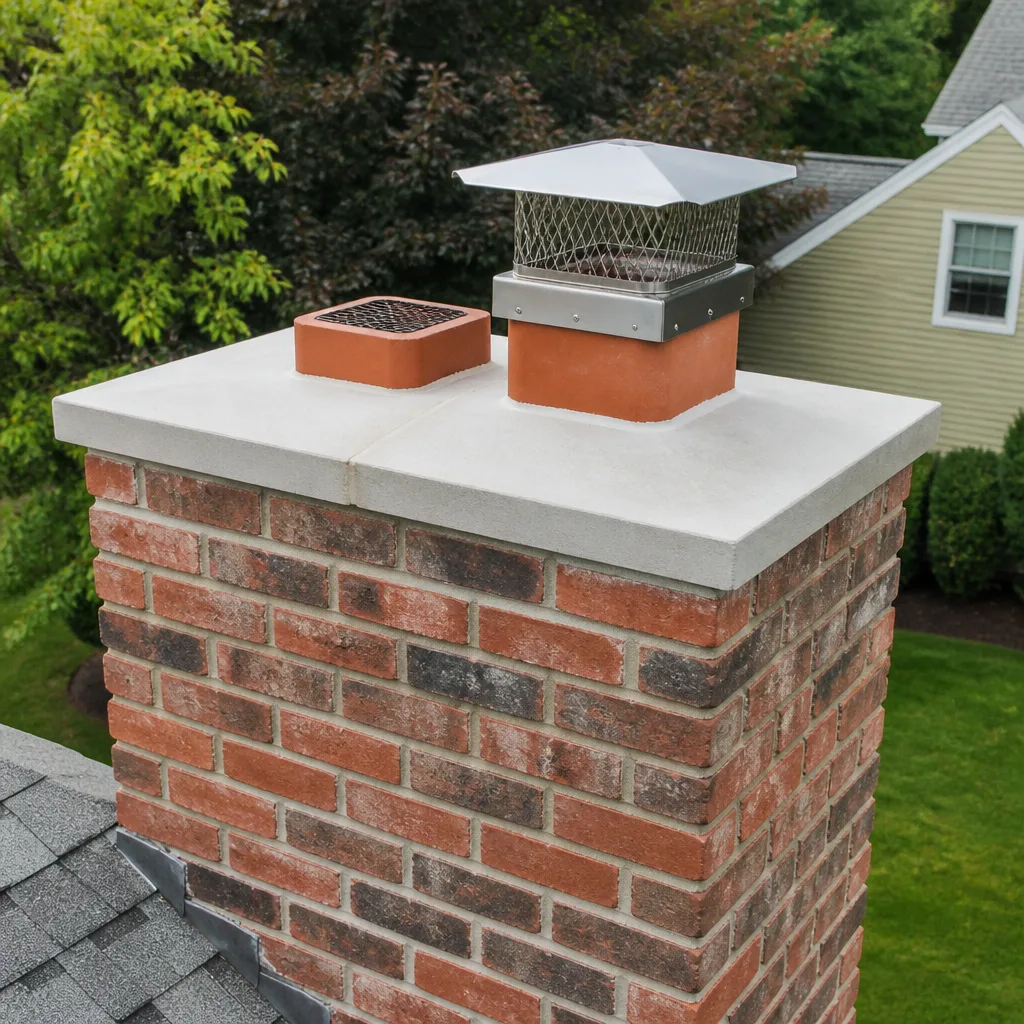 Caps & crowns
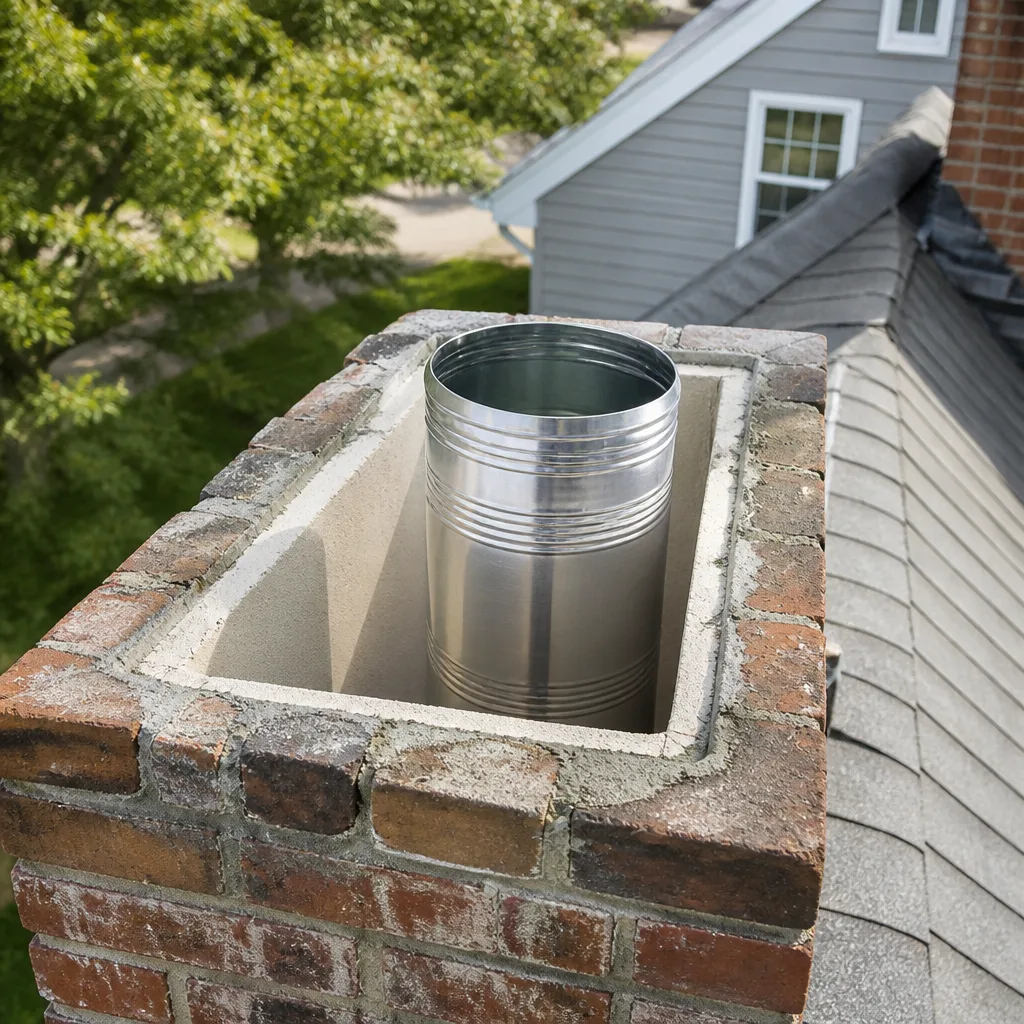 Flue relining
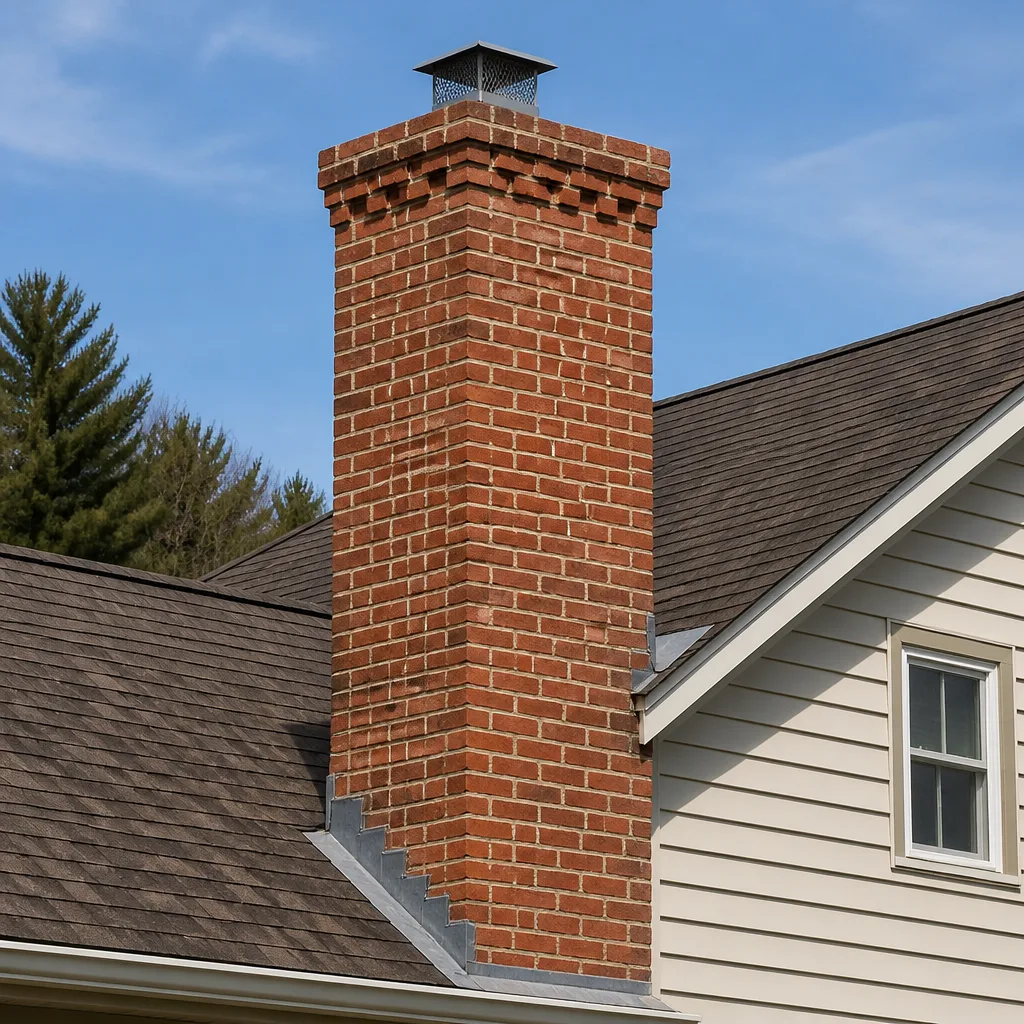 Masonry repair
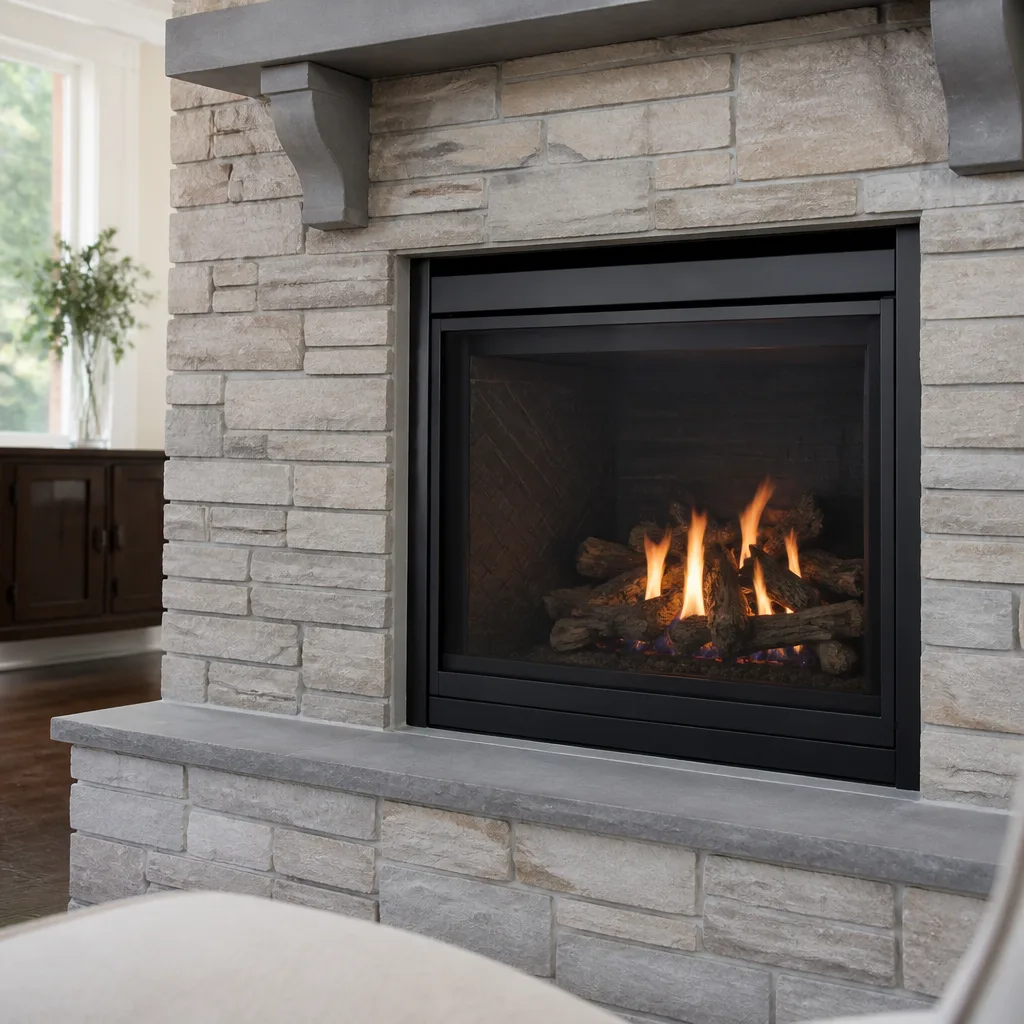 Gas fireplace service
Level 1 sweep and inspection to the NFPA 211 annual standard - flue, crown, cap, and flashing checked and photographed
Chimney sweep logs do not sweep chimneys. They loosen some creosote - which then falls where a brush and vacuum still have to collect it.
Seasonal Chimney Cleaning Care for St. George: Year-Round Homeowner’s Guide
The standard advice is “clean before winter.” That’s the right instinct for the wrong reason. In St. George, the real risk isn’t a dirty flue in November. It’s what moisture and humid summer air did to the liner, crown, and mortar over July and August while nobody was looking. In this St. George guide, we’ll walk through what actually happens to a chimney through each season here, why late summer is the single most valuable inspection window on the calendar, and how to manage a chimney that sits unused for months without paying for it later.
Quick Answer
Chimney care in St. George is a year-round job, not a fall chore. The highest-value time to book an inspection is late summer, right after months of heat, humidity, and disuse have stressed the crown, liner, and metal components. Book a professional sweep and inspection once a year, check the crown and cap after every freeze-thaw cycle, and never leave a dormant chimney sealed up without airflow.
Styles & brands we work with
- Sweep & inspection
- Caps & crowns
- Flue relining
- Masonry repair
- Gas fireplace service
Table of Contents
- Why Fall Isn’t the Best Time to Book in St. George
- What Summer Actually Does to a Chimney
- Spring: Catching Winter Damage Before It Spreads
- Managing a Chimney That Sits Unused
- Month-by-Month Care Calendar for St. George
- When It’s a Job for a Specialist
- Common Mistakes to Avoid
Why Fall Isn’t the Best Time to Book in St. George
Every September, homeowners across St. George call to schedule chimney cleaning before the first fire of the season. It’s sensible. But by the time fall arrives, the damage that happened over the summer is already months old. The crown has already been cycling wet and dry. Condensation has already been sitting against the liner. If a mortar joint started failing in July, an October sweep finds the problem, but it doesn’t undo the summer it spent getting worse.
Late summer, roughly August into early September, is the quiet window worth aiming for. Here’s why it beats a fall appointment:
- You see the summer’s damage at its peak. Crown cracks, loose mortar, and rusted components are easiest to spot after months of heat and humidity, not after a cold snap has frozen everything in place.
- You have time to repair before burning season. A crown repair or a liner resurfacing booked in late summer can be completed and cured well before the first cold night. Book the same job in late October and you’re waiting on weather.
- The schedule is calmer. Fall is when everyone remembers their chimney. Late summer appointments give you more room to choose a date that fits your week.
None of this means a fall sweep is a waste. It means the smartest St. George homeowners treat the fall cleaning as a confirmation, not a discovery. The real examination happens a month or two earlier, when the evidence is freshest.
What Summer Actually Does to a Chimney
St. George summers are hot and humid, and a chimney is essentially a tall, open column that traps that humid air. Over weeks, that moisture does quiet, cumulative damage to parts you can’t easily see. The two areas that take the hardest hit are the mortar joints and the metal components.
Mortar joints and humid air
Mortar is porous. In humid weather, it absorbs moisture from the air and from any rain that finds its way in through a missing or damaged cap. When the humidity drops, that moisture leaves. Repeat that cycle enough times over a summer and the mortar starts to soften, powder, and crack. On the crown, the mortar cap at the very top of the chimney, this shows up as hairline cracks that widen over time. On the brickwork below, it shows as crumbling or sandy mortar between courses.
What to look for from the ground, without climbing anything:
- Cracks in the concrete crown, especially where it meets the flue
- Crumbling, sandy, or visibly receding mortar between bricks
- Rust streaks or orange staining on the exterior, which usually points to a failing metal component
- A cap that’s loose, tilted, or missing its mesh
Metal components and condensation
Metal chimney caps, flashing, and damper parts react to moisture and heat cycles. A cap that’s been sitting in humid summer air can develop surface rust that quietly turns into a hole. Small holes let water in, and water in a flue is the beginning of most of the expensive problems we see. Condensation is the quieter issue: when warm humid air meets a cooler flue interior, moisture forms on the inside. On a clay tile liner, that moisture works into cracks. On an older liner, it can work its way into the masonry around it.
This is exactly the kind of slow deterioration a single late-summer inspection catches. A technician checking the crown and cap with the right materials, whether that’s a copper cap sized through chimney cap & crown work or a fresh HeatShield resurfacing, can arrest damage before it reaches the flue. If you want to understand the full range of what a proper inspection covers, our Chimney Sweep St. George page outlines the five service categories we handle.
Spring: Catching Winter Damage Before It Spreads
Winter is when the real structural stress happens. Water gets into a hairline crown crack, freezes overnight, expands, and widens the crack. It thaws, refreezes, and the crack grows again. A single winter can take a small crown flaw and turn it into a genuine structural problem. That’s why the first warm stretch of spring is the second most valuable inspection window on the St. George calendar.
Here’s a simple spring routine you can do yourself, without climbing onto the roof:
- Walk the exterior at ground level. Look for new cracks in the crown, spalling brick, or mortar that looks looser than it did in the fall.
- Check the cap from a safe vantage point. A pair of binoculars works well. Note rust, holes, tilt, or missing mesh.
- Look for water staining inside. Brown streaks on the firebox walls or around the damper are a sign water is getting in somewhere above.
- Smell the firebox on a warm day. A strong creosote or damp smell can mean moisture is trapped inside.
Anything you find in spring is something you have months to fix before it matters. That’s the whole point. A crown reseal or a cap replacement done in April is far less urgent and far less disruptive than the same job in November. It’s also the window where a failing liner can be resurfaced with HeatShield rather than replaced outright. The chimney sweep visit in spring gives you a full picture, and the repair work can follow at whatever pace the season allows.
Managing a Chimney That Sits Unused
A chimney that’s never used can still fail. That’s the counterintuitive part. A dormant chimney, whether it’s a summer fireplace nobody lights or a chimney in a vacation property that’s empty for months, faces two specific problems: blockage and internal condensation.
Blockage
An unused flue is an appealing place for birds, squirrels, and insects to set up. Without a properly fitted cap with mesh, a chimney can be blocked within a single season. Blocked flues don’t announce themselves. When you do eventually light a fire, smoke backs up into the room, or worse, carbon monoxide can’t vent. That’s why we never recommend skipping the annual inspection just because a chimney hasn’t been used. The inspection is about the condition of the flue, not the amount of soot in it.
Condensation
A sealed, unused chimney sits with humid air trapped inside. Over a long vacancy, that moisture condenses on the cooler liner surface. On a clay tile liner with even a small crack, condensation finds its way into the masonry behind it. This is one of the more common sources of hidden liner damage we find in St. George properties that sit empty for part of the year.
What to do with a dormant chimney
- Make sure the cap is secure with intact mesh before the vacancy begins.
- Have the flue inspected before it’s closed up for the season, not after.
- Keep the damper cracked slightly if your system allows it, so humid air can escape rather than condense.
- Book a sweep and inspection before you start using the chimney again, even if the last fire was years ago.
If you’re managing a property that’s empty for long stretches, treat the annual inspection as the one task that isn’t optional. It’s the only way to know whether a crack that was cosmetic in the spring has become a water path by the fall.
Month-by-Month Care Calendar for St. George
Generic Northeast chimney advice tells you to clean in the fall and forget it until next year. St. George’s climate doesn’t work that way. Here’s a month-by-month reference built around the actual conditions here, not a generic template.
January through February
- Burn season is in full swing. Keep an eye on the firebox for excessive creosote buildup, which looks like a dark, tar-like glaze on the walls.
- Don’t burn unseasoned wood. Green wood produces far more creosote than dry, seasoned wood.
- After a freeze, look at the crown from the ground. New cracks appear after the first hard freeze.
March through April
- This is the primary spring inspection window. Book a professional inspection once the freeze-thaw cycles ease up.
- Check the crown, cap, and exterior mortar for winter damage.
- Schedule any crown or cap repairs now so they’re finished before summer rain.
May through June
- Book the seasonal sweep if you haven’t already. A clean flue going into summer means less to worry about when the humidity climbs.
- Check that the cap and mesh are secure before nesting season gets going.
- If the chimney will sit unused all summer, confirm the damper is working correctly.
July
- Peak humidity. This is when mortar absorbs the most moisture and condensation builds inside an unused flue.
- Keep the firebox dry and watch for signs of water intrusion around the damper.
August through September
- The highest-value inspection window of the year in St. George. The summer’s damage is at its peak and fully visible.
- This is the ideal time to book a full inspection and any liner or crown work, so everything is finished and cured before the first cold night.
- If you’re going to resurface a liner with HeatShield or install a DuraFlex liner system, late summer gives you the best weather window for it.
October through December
- Burn season begins. Confirm the chimney has been inspected and swept since the last fire.
- You can book a sweep in the fall, but treat it as confirmation. If the late-summer inspection already happened, the fall sweep is a maintenance visit, not a discovery one.
- Clear the cap of any early leaf drop before the first fire.
When It’s a Job for a Specialist
Some chimney tasks are simple checks you can do from the ground. Others require a trained technician and professional-grade materials. Here’s the line, and it’s worth being clear about it.
Get a professional involved when:
- The crown has visible cracks, or the mortar between bricks is crumbling.
- You see rust or holes in the cap.
- Smoke backs up into the room when you light a fire.
- You smell damp or a strong creosote odor from the firebox.
- The chimney hasn’t been inspected in more than a year.
- You’ve moved into a St. George home and don’t know when the chimney was last serviced.
Liner work is the clearest example. A flexible liner system like DuraFlex is a professional-grade product, not something sold to homeowners, and installing it correctly requires a trained hand. Liner resurfacing with HeatShield requires an applicator trained on that specific system. And a structural crown repair isn’t a caulk-and-paint job. It’s masonry work that has to survive the next freeze-thaw cycle. Those materials, sourced through suppliers like Olympia Chimney, Copperfield, and Famco, are the same materials certified chimney professionals use, and they’re part of why we don’t refer this work out.
If you have a fireplace or firebox issue rather than a chimney issue, our fireplace repair page covers what we handle and when it’s worth a visit.
Common Mistakes to Avoid
- Waiting until October to book anything. Fall is the busiest month and the worst month to discover a summer problem. Book the inspection in late summer so you have time to act.
- Assuming an unused chimney is a safe chimney. A flue that hasn’t had a fire in it for a year can still be blocked, cracked, or full of condensation damage. The inspection is about the flue, not the soot.
- Skipping the cap. A missing or damaged cap is the single most common water entry point we find in St. George. Water gets in, mortar softens, and the crown starts to fail.
- Treating a crown crack as cosmetic. A hairline crack in October becomes a structural problem by February. Water gets in, freezes, and widens it with every cycle.
- Burning wet or green wood. It produces far more creosote, and in a cool St. George shoulder season, that creosote doesn’t fully burn off.
- Trying to inspect the flue yourself. A flashlight from the firebox doesn’t tell you what’s happening a few feet up the flue, and it certainly doesn’t tell you if the liner is compromised. That’s what a professional inspection is for.
- Leaving the chimney sealed up for a long vacancy. A dormant chimney with no airflow collects condensation. Make sure the cap is right, the flue is inspected, and the damper is set before you close it up.
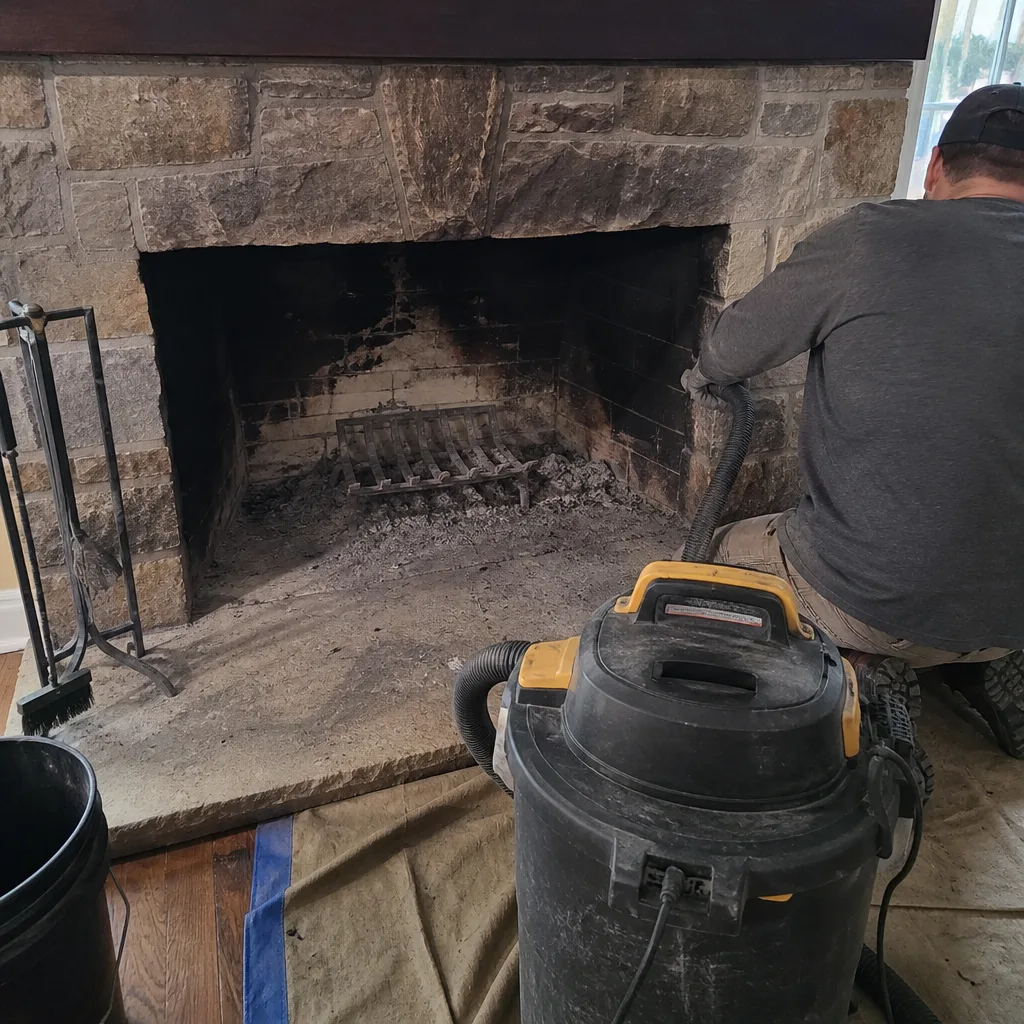
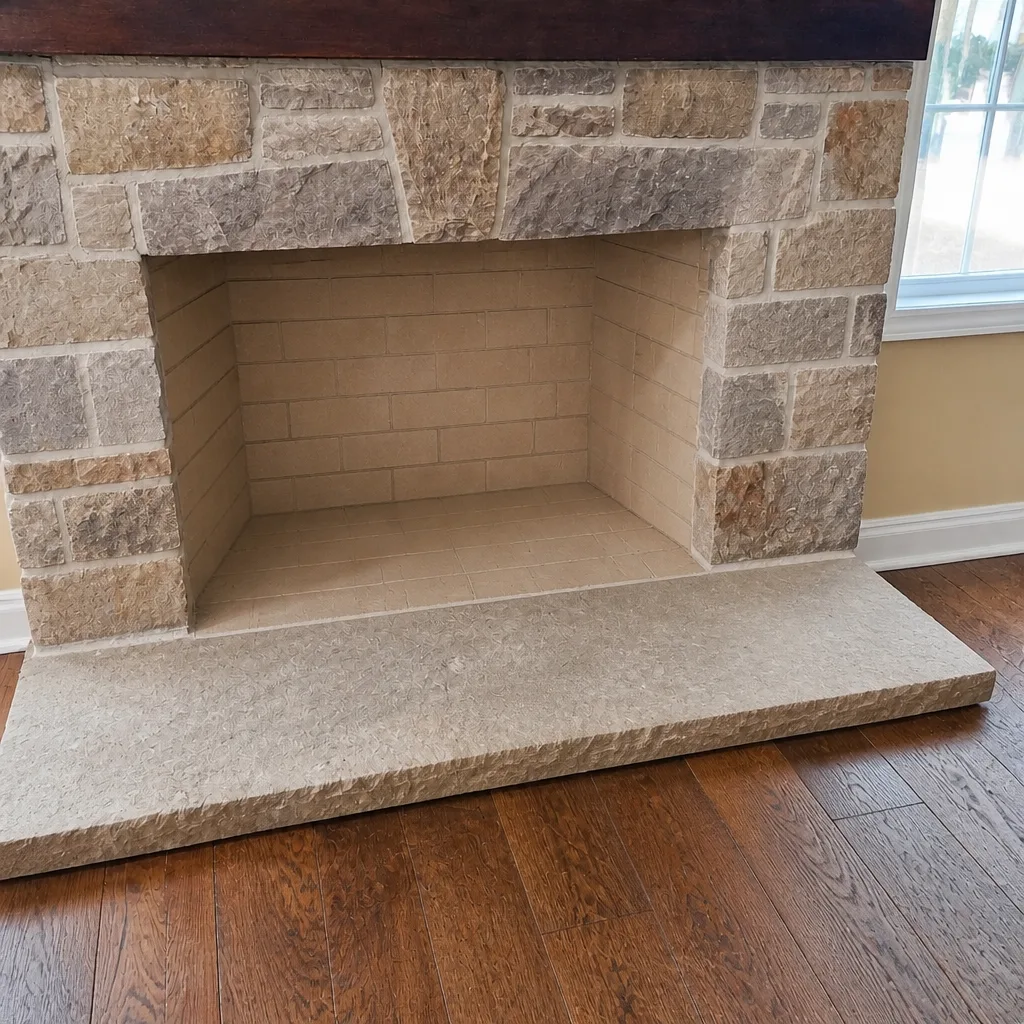
See the difference
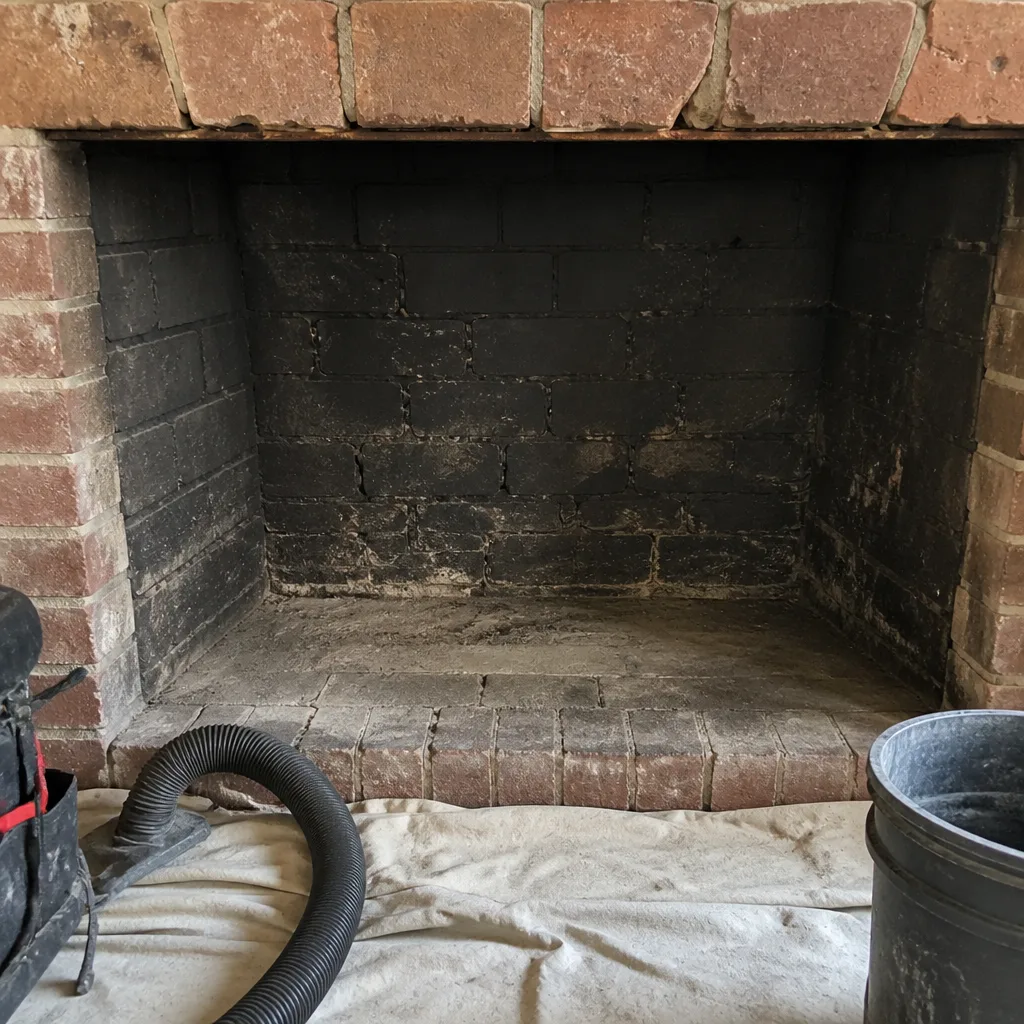 Before
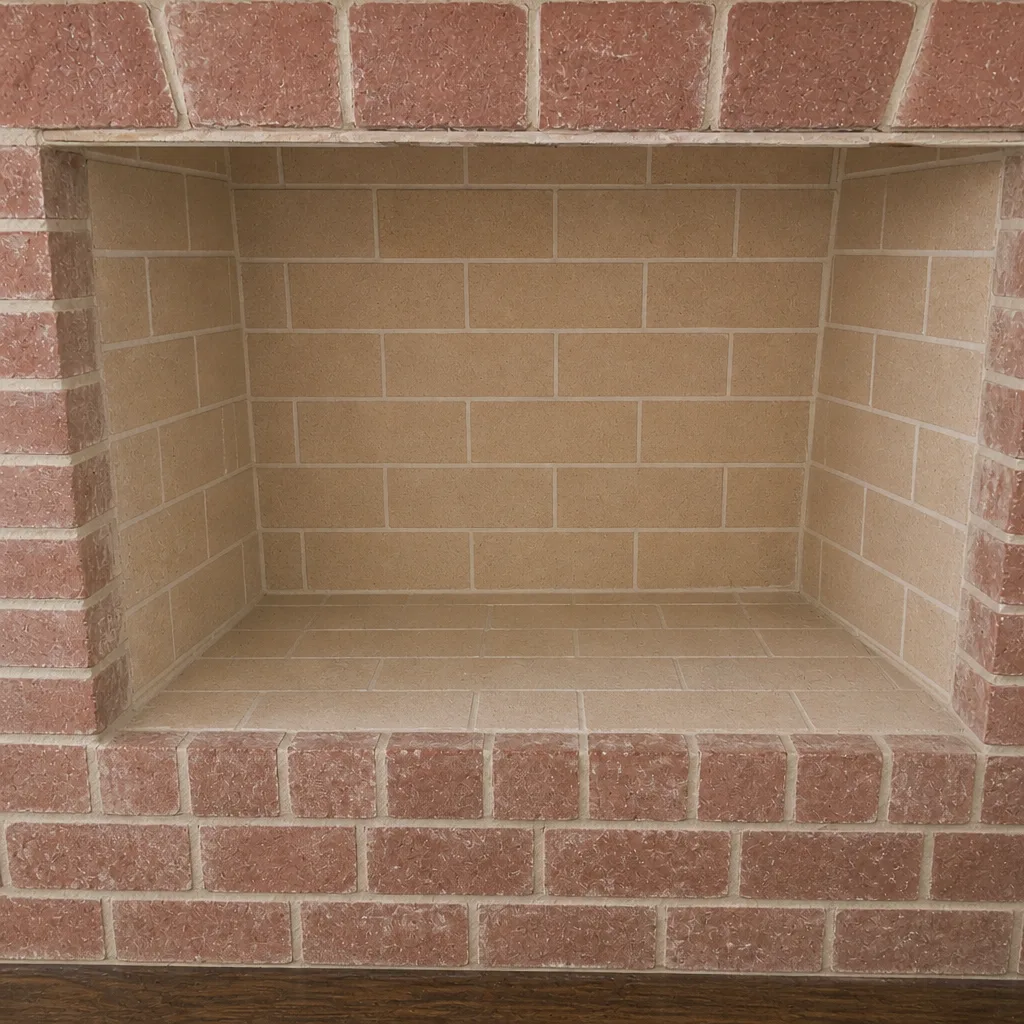 After
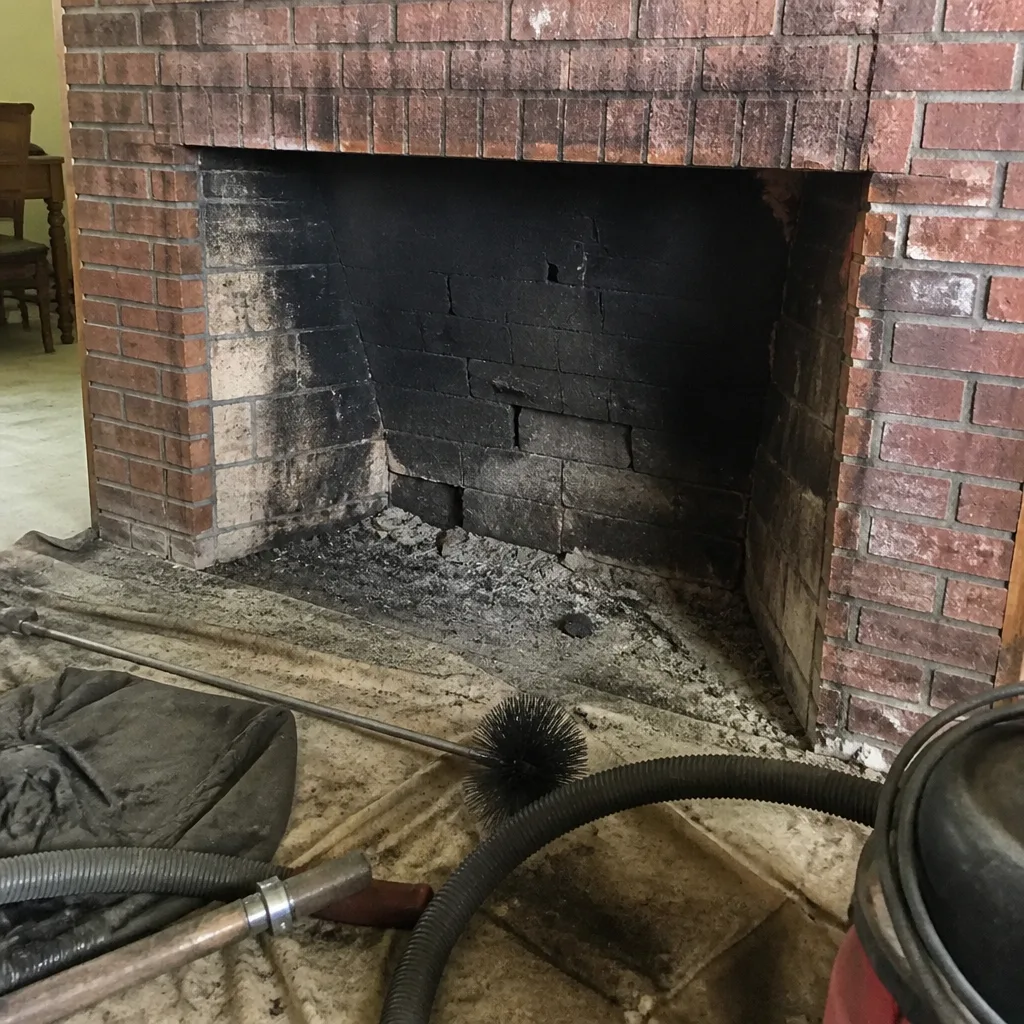 Before
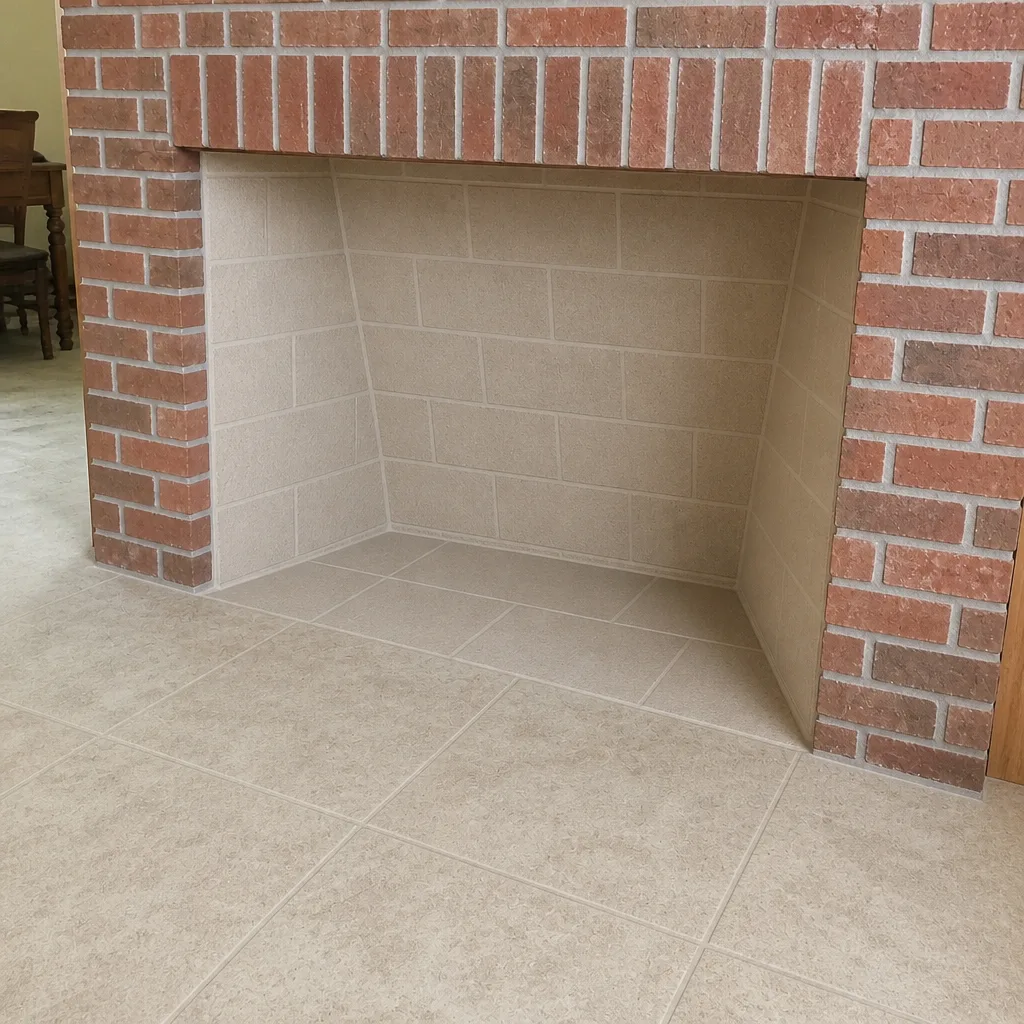 After
 Before
 After
When to Call a Professional
You should call a professional chimney service when you notice crown cracks, crumbling mortar, a rusted or damaged cap, smoke backing up into the room, or water staining around the damper. You should also call if it’s been more than a year since the last inspection, or if you’ve moved into a St. George home and don’t know its chimney history. And it’s worth calling before you buy a property with a chimney, so you know what you’re taking on before you close. Our technicians have up to 14 years of experience across the full chimney system, and we work in the five categories that matter: sweep, inspection, cap and crown, fireplace repair, and chimney repair. Chimney Sweep St. George offers free estimates in St. George. Call (855) 560-5292. We answer 24/7. Fast dispatch from 7am to 7pm, Sunday through Friday.
Frequently Asked Questions
Once a year is the standard. A yearly inspection catches crown cracks, mortar damage, and liner issues before they turn into structural problems, and in St. George’s humid climate, an annual check is genuinely useful, not just a formality. If the chimney is used heavily, or if it sits unused for long stretches, keep to the yearly schedule. Call (855) 560-5292 to book a free estimate.
Late summer is better because that’s when the summer’s damage is at its peak and fully visible. By fall, you’re discovering problems that have had months to worsen. An August or early September inspection gives you time to complete repairs before burning season.
Yes. Humid air gets into the mortar and condenses inside an unused flue. Over a summer, that moisture softens mortar, widens hairline crown cracks, and can work into a clay liner’s cracks. The damage is quiet, which is why a late-summer inspection matters.
Have it inspected before it’s closed up for the season, confirm the cap and mesh are secure, and keep the damper cracked if your system allows, so humid air can escape. Before you use it again, book a sweep and inspection even if the last fire was years ago.
Yes. A dormant flue can be blocked by birds or debris, and condensation can damage the liner over a long vacancy. The risk doesn’t require a fire to build; it just requires neglect. Call (855) 560-5292 if you’re unsure when the chimney was last checked.
We work with professional-grade chimney materials, including DuraFlex flexible liner systems for full liner installation and HeatShield for liner resurfacing, plus supplies from Gelco, Olympia Chimney, Famco, and Copperfield. These are the same materials certified chimney professionals use, not consumer-grade products.
Yes. Even occasional burning produces creosote, and the annual inspection is about the condition of the flue, not the volume of soot. A chimney used only a few times a year can still have a cracked crown or a compromised liner that has nothing to do with how often you light a fire.
A missed year isn’t a crisis, but two or three in a row is where small issues become expensive ones. A crown crack left for a couple of winters can turn into a full crown rebuild. A small liner flaw left for a couple of summers can turn into a full liner replacement. The annual inspection is the cheapest way to catch these while they’re still small. Call (855) 560-5292 for a free estimate.
The Bottom Line
Seasonal chimney care in St. George is about timing, not just frequency. The fall cleaning everyone remembers is the confirmation visit. The real work happens in late summer, when the evidence of what heat and humidity did to the crown, liner, and metal components is freshest. Pair that with a spring check for winter damage and a simple routine for any chimney that sits unused for months, and you’ve got a full year of protection with two well-timed appointments. One specialist, working on the whole chimney, built to last another season.
Call (855) 560-5292 for a free estimate. We answer 24/7. Fast dispatch from 7am to 7pm, Sunday through Friday.
Written by the team at Chimney Sweep St. George.