
Last updated November 23, 2026
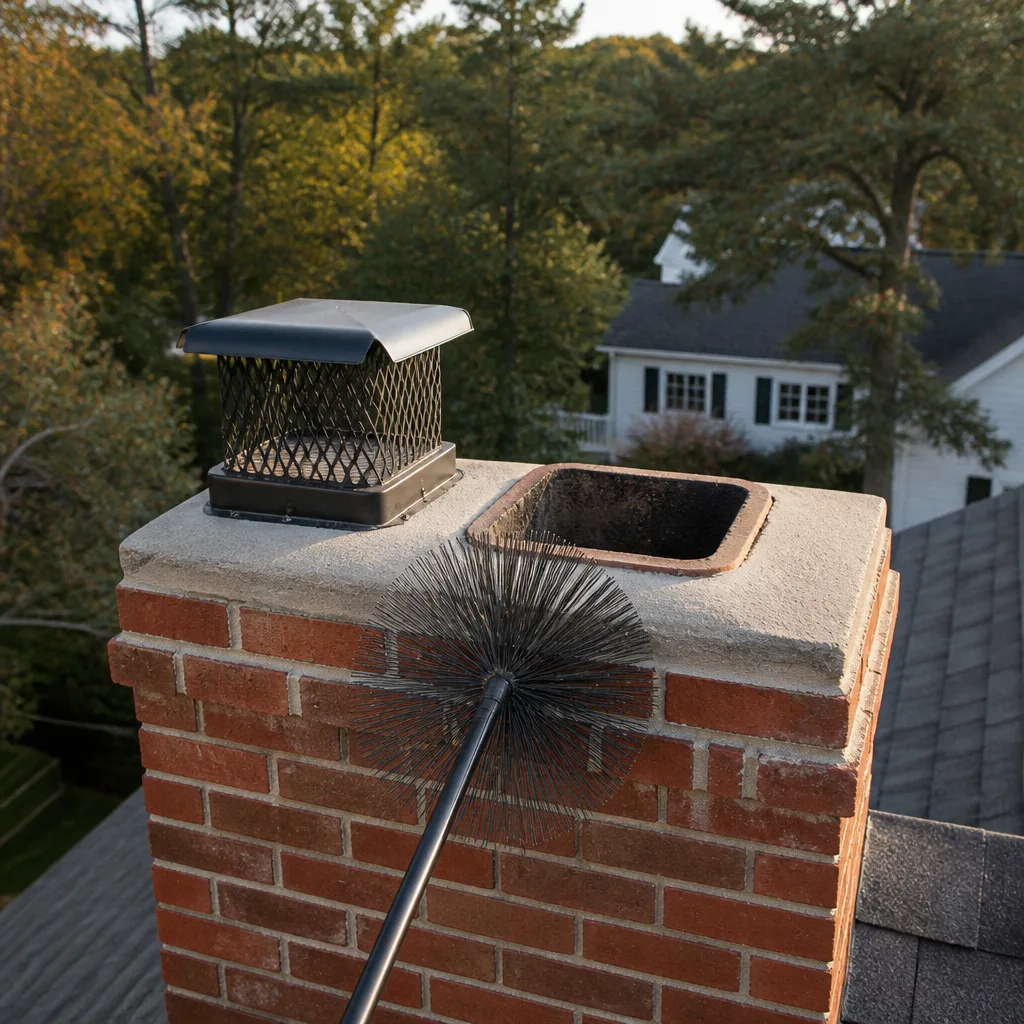 Sweep & inspection
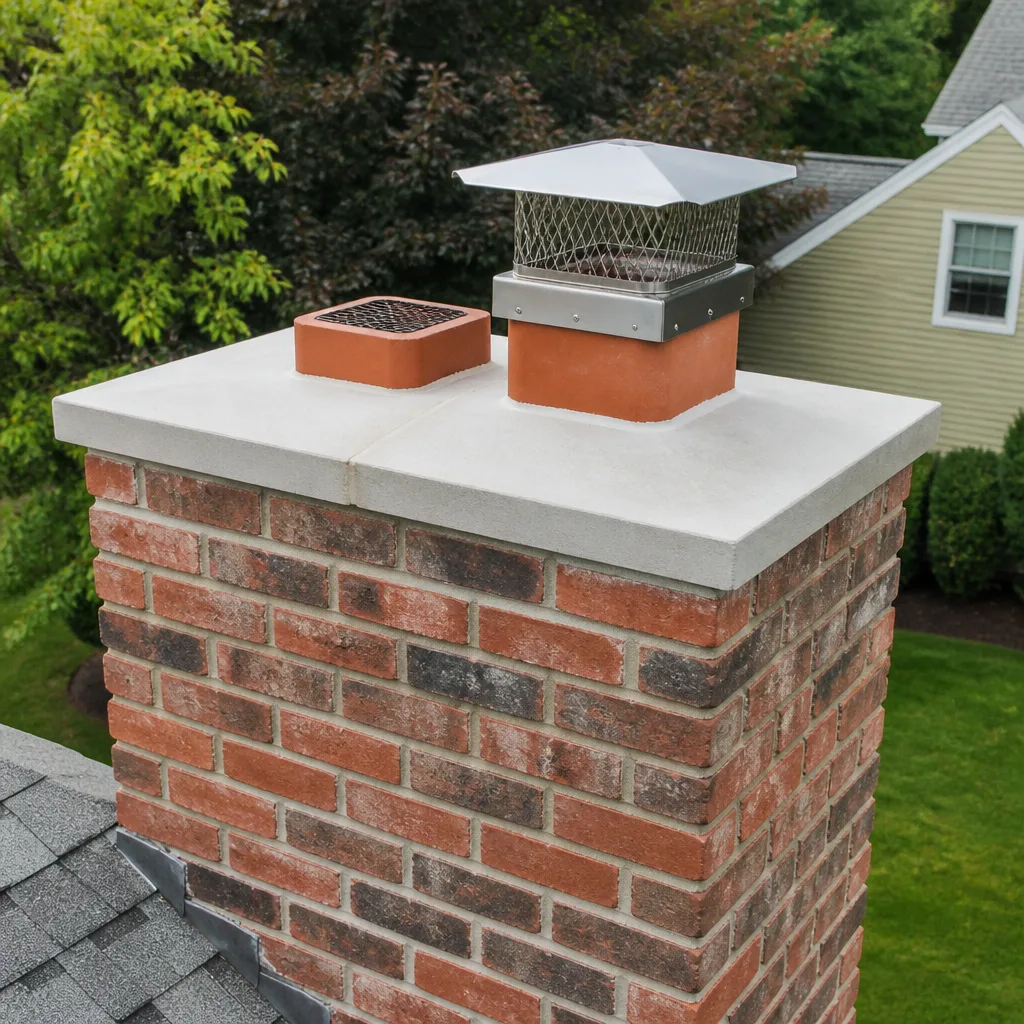 Caps & crowns
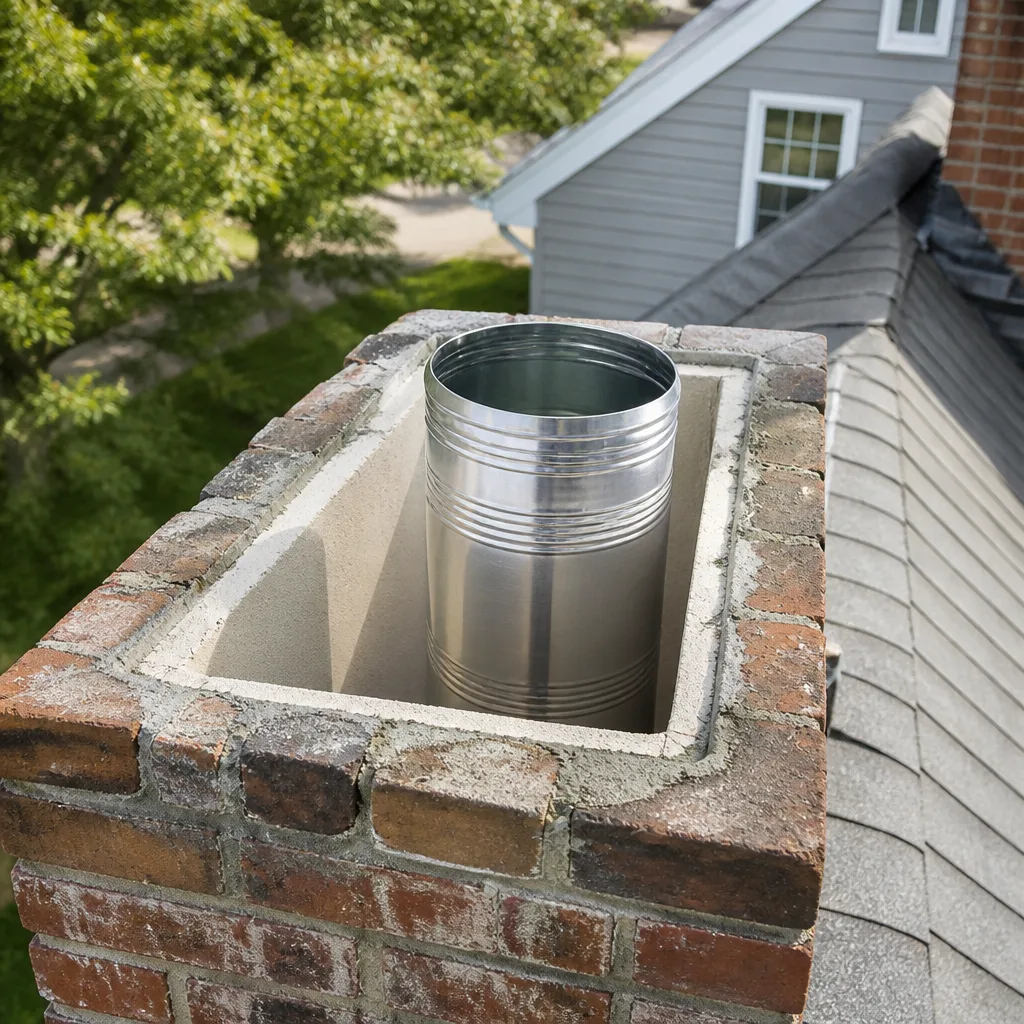 Flue relining
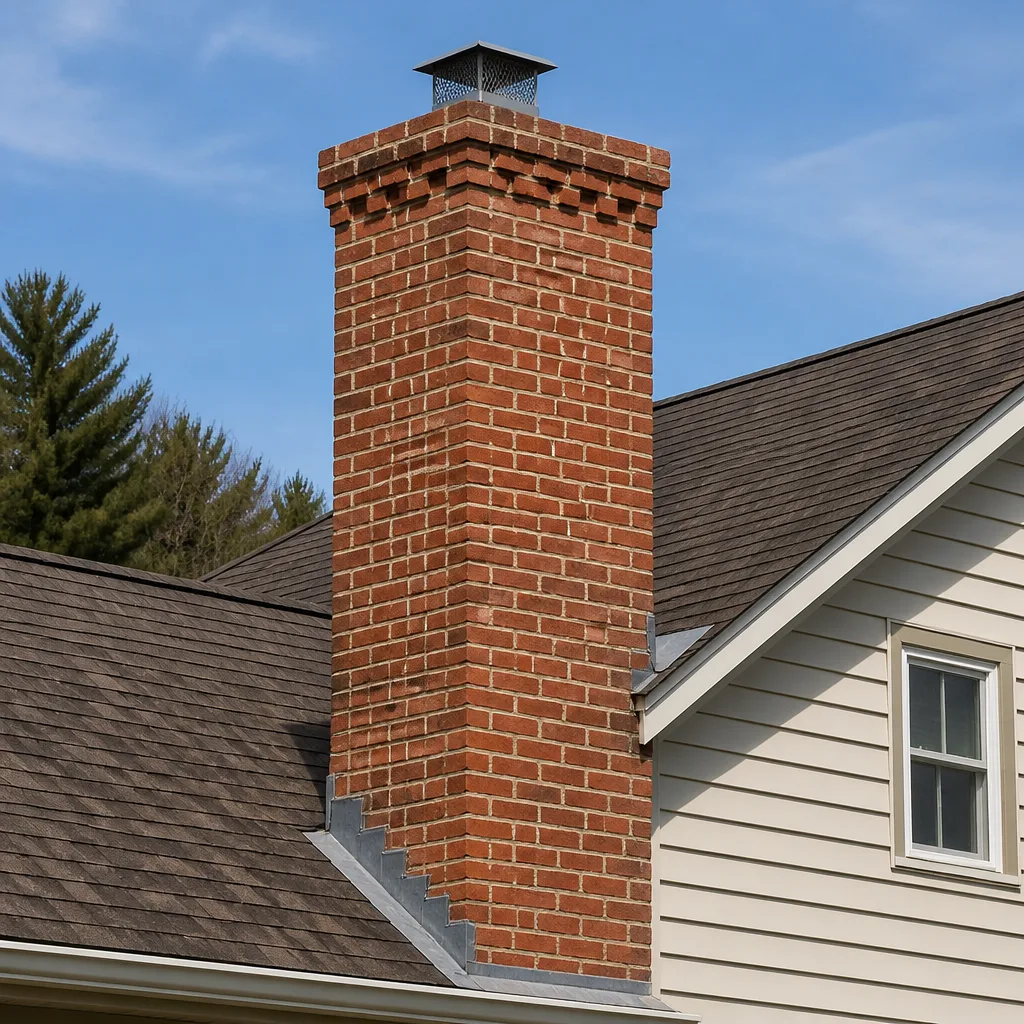 Masonry repair
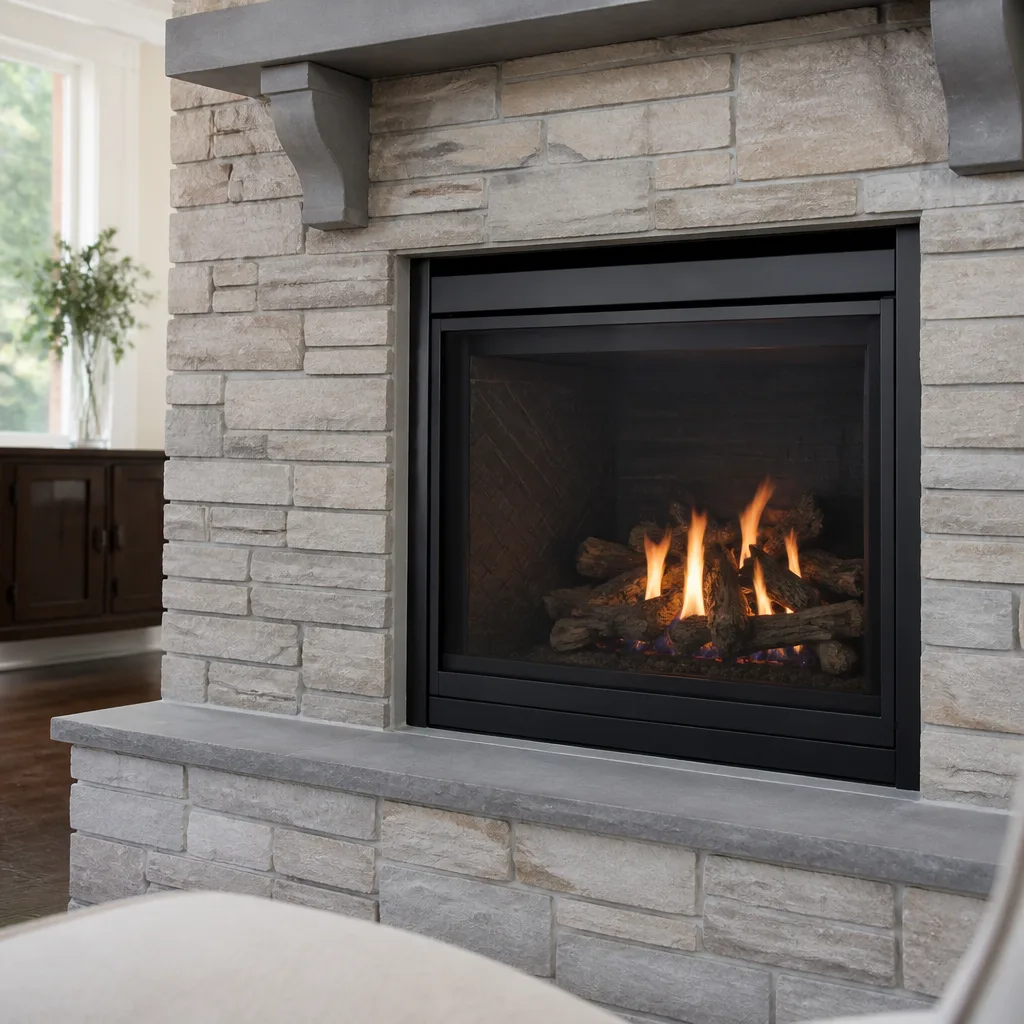 Gas fireplace service
Level 1 sweep and inspection to the NFPA 211 annual standard - flue, crown, cap, and flashing checked and photographed
Chimney sweep logs do not sweep chimneys. They loosen some creosote - which then falls where a brush and vacuum still have to collect it.
DIY vs Professional Chimney Cleaning: The St. George Homeowner’s Decision Guide
You can buy a chimney brush kit for around $60 and pull first-degree creosote out of a straight flue. That’s not really the question. The question is what else is sitting in that flue that a brush can’t tell you about. Most homeowners in St. George who take on their own sweep are picturing soot and ash. What they can’t see is the cracked flue tile, the offset joint, the bird’s nest behind a smoke shelf, or a glaze of Stage 3 creosote that a nylon brush will polish instead of remove. This guide walks through what DIY cleaning genuinely does well, where it quietly falls short on the diagnostic side, and how to decide which path fits your chimney and your house here in St. George.
Quick Answer
DIY chimney cleaning works as a maintenance habit on a straight, well-maintained flue with light soot and no history of problems. It is not a substitute for professional cleaning when creosote has reached Stage 2 or 3, when the flue is offset or lined with a flexible liner, or when you can’t remember the date of the last inspection. The gap isn’t just safety. It’s diagnostics: a brush removes surface soot, but only a camera inspection can see the cracks, gaps and buildup that actually determine whether your chimney is safe to burn.
Styles & brands we work with
- Sweep & inspection
- Caps & crowns
- Flue relining
- Masonry repair
- Gas fireplace service
Table of Contents
- What DIY Chimney Cleaning Can Legitimately Accomplish
- The Three Stages of Creosote and Why They Matter
- The Diagnostic Gap: What a Brush Cannot See
- Roof Access and Height Realities in St. George Housing
- Matching the Method to Your Flue Type
- A Decision Framework for St. George Homeowners
- When to Call a Professional
- Frequently Asked Questions
What DIY Chimney Cleaning Can Legitimately Accomplish
We’re not going to pretend a brush and a shop vac do nothing. They do something real, and it’s worth naming honestly. A homeowner who sweeps a wood-burning fireplace insert with a straight vertical flue on a regular schedule, say once a season of active burning, can keep light fluffy soot from accumulating to the point where it affects draft. That’s a legitimate maintenance outcome, and on a simple flue with no history of problems, it’s a reasonable option for a careful homeowner.
The specific configurations where DIY sweep maintenance makes sense are narrower than most people assume. They include:
- Straight, single-story masonry flues with no offsets or elbows and a factory-built stainless liner in good condition.
- Wood stove and insert flues where the appliance has been recently inspected and confirmed clean by a professional.
- Low-use fireplaces where a professional inspection within the past year confirmed the liner is intact and there’s no stubborn buildup.
- Gas fireplaces in many cases, though gas appliance venting should still be professionally inspected for proper combustion and venting – that’s a different service we handle through fireplace repair.
What DIY doesn’t do is confirm anything. It removes what you can see. It can’t tell you if the creosote underneath is glazed, if a flue tile has hairline-cracked from a prior chimney fire, or if the smoke chamber above the damper is packed with debris. Those are the things that change the answer to “Is my chimney safe?” That’s the real decision point, and it’s why we wrote this guide. St. George homeowners are smart enough to make the call for themselves when they understand what’s on each side of the ledger.
The Three Stages of Creosote and Why They Matter
Creosote is the residue left behind when wood smoke cools on its way up the flue. It comes in three recognizable forms, and they behave very differently under a brush. This is the single most misunderstood part of DIY cleaning, so it deserves its own section.
Stage 1: Fluffy, Sooty Creosote
This is the light, dark gray fluffy deposit that builds up in the first part of the season. A standard polypropylene brush removes most of it. If this is all you ever see when you look up the flue, your burning habits are probably good: dry, well-seasoned wood, hot fires, adequate draft. DIY sweeping handles Stage 1 reasonably well.
Stage 2: Hard, Crusty Creosote
Stage 2 is where the DIY calculation changes. This creosote forms a hard, crunchy layer bonded to the flue wall. A brush can knock off the loose parts, but the bonded layer stays. Worse, brushing can flatten Stage 2 into a smoother, denser shell that’s actually harder to remove later. It also produces a false sense of cleanliness: the flue looks better than it is. Professional removal of Stage 2 involves specialized scrapers and rotary tools that a homeowner brush kit doesn’t include.
Stage 3: Glazed Creosote
Stage 3 is a hard, shiny, tar-like glaze. It’s the fuel source for chimney fires and it’s the most dangerous form. Standard brushing does almost nothing to it and can polish the surface, which makes it harder for a professional to remove later. Stage 3 requires chemical treatment or, in some cases, resurfacing products like HeatShield to restore a damaged flue liner back to usable condition. Gelco and Olympia Chimney also supply professional-grade products used in these scenarios. If you look up the flue and see a dark, wet-looking, glassy surface, stop brushing. That’s a professional call.
The DIY risk here isn’t only that the buildup remains. It’s that a homeowner guessing at the creosote stage may badly misread it. The flue looks “clean enough” after brushing, the season continues, and the load that never got removed keeps accumulating. This pattern is exactly what we’re trying to prevent for St. George homeowners before the next burn season begins.
The Diagnostic Gap: What a Brush Cannot See
Here’s the part that rarely makes it into DIY chimney guides, and it’s the heart of this one. Cleaning is a physical act. Inspection is a diagnostic act. They are not the same thing, and the second one is where the value sits.
A camera inspection is what a trained technician performs to look at the interior of the flue, the smoke chamber, the smoke shelf, the damper assembly and the firebox from angles a homeowner can’t reach or see. From the top of the chimney, a technician guides a camera down the flue and reviews the footage on a monitor. From below, they can inspect the firebox and the smoke chamber through the damper. A camera and photo report is part of every professional cleaning we perform, and it’s the main reason the professional service exists at all.
What the inspection finds that a DIY sweep physically cannot:
- Cracked or spalled flue tiles that allow heat and carbon monoxide to escape into the chimney structure.
- Gaps at tile joints, especially in older masonry flues, that act as failure points during a chimney fire.
- Offset flues and smoke chambers where debris piles up behind a ledge a brush can’t reach.
- Liner damage in stainless flexible liners from prior heat exposure, which is invisible from the firebox.
- Creosote glazing hidden above a smoke shelf that brushing from below leaves untouched.
- Nesting material, leaves and debris in the flue that a brush will push down but not fully remove.
- Crown and cap condition, which determines whether water is getting into the chimney structure from above. That’s the realm of chimney cap & crown work, and it’s a structural repair tier most homeowner maintenance skips entirely.
None of these issues announce themselves. A chimney can look fine from the hearth and have a cracked flue tile two feet up. The camera report is what lets a homeowner see the evidence for themselves, which matters when a technician recommends further work. We tell every St. George homeowner the same thing: nothing is recommended without photo evidence you can review. That’s the whole point of the inspection.
Roof Access and Height Realities in St. George Housing
This is where the DIY discussion gets very local very fast. Chimney access from above depends on what kind of roof the chimney sits on and how you’d get there. St. George’s housing stock includes a lot of rowhouses and multi-story homes, and that changes the calculation meaningfully compared to a suburban ranch with a low-pitch roof and a wide yard.
If you’re sweeping from the top of the flue, you’re standing or kneeling on a roof, working near an open hole in the surface, holding a heavy rod and brush in one hand. On a rowhouse, the roofline is often steep, the walkable surface is narrow, and there’s no easy path to a hose or a fallen brush if something goes wrong. On a multi-story home, the chimney top can be twenty feet or more above the grade line, and the ladder setup alone is a project. Two-story homes raise the work further. Add in the variable weather we get here, from summer heat that makes the roof uncomfortable to work on to winter ice that turns the shingles into a slip hazard, and the access math gets complicated quickly.
This isn’t an abstract warning. It’s the practical reason so many St. George homeowners who start out planning a DIY sweep end up calling a professional. Roof access is where DIY gets riskiest relative to its diagnostic value, which on a rowhouse or a tall home is already low.
If you want a trained professional handling the roof work safely, that’s a reasonable call. Our technicians have up to 14 years of experience with chimney access on the kinds of roofs common in St. George, and we use ladders, harnesses and technique that a homeowner doing it once a season isn’t going to develop. That’s a real advantage, and it’s worth being upfront about it.
Matching the Method to Your Flue Type
Different flues respond differently to a brush. Here’s a quick reference for how the decision changes based on what you have.
- Straight masonry flue with clay tile – DIY sweeping handles Stage 1 buildup if the tiles are intact. Get it inspected at least once a year to confirm the tile condition.
- Offset or angled flue – DIY reaches the first section but leaves buildup above an offset. Professional cleaning.
- Stainless flexible liner (DuraFlex, Olympia Chimney, etc.) – DIY sweeping is possible on a straight run, but the liner must be professionally inspected to confirm it’s undamaged. DuraFlex liner systems are professional-grade products installed by trained technicians, not sold direct to homeowners, so DIY installation isn’t on the table.
- Factory-built fireplace with venting – Manufacturer instructions usually specify professional service. Follow them.
- Gas fireplace – Many components don’t tolerate DIY cleaning at all. The venting system should be professionally inspected for proper draft and combustion.
- Wood stove with a draft collar – A quick seasonal brush from the firebox up into the collar is reasonable; full cleaning still benefits from professional inspection.
The pattern is straightforward: the simpler and straighter the flue, the more defensible DIY becomes. The moment you introduce an offset, a second story, a liner, or a factory-built appliance, the case for a professional cleaning gets stronger. Restoring a damaged liner without a full replacement, which is what HeatShield resurfacing allows, is not a DIY product. Neither is the professional-capable equipment used to remove Stage 2 and Stage 3 creosote safely.
A Decision Framework for St. George Homeowners
Rather than argue for one answer, here’s a working framework. Walk through the questions in order. The first “no” or “I don’t know” on the list is your signal.
- When was the last professional inspection? If it’s within the past year and the technician confirmed the flue was clear and undamaged, DIY sweep maintenance is defensible. If it’s been longer, or you’ve never had one, start with a professional inspection before you brush anything.
- What does your flue look like inside? Shine a bright light up the flue from the firebox. Light, fluffy deposit only? DIY maintenance is reasonable. Hard, crusty, or shiny black glaze? Stop. Professional service.
- How often do you burn? A wood-burning fireplace used a few times a month in winter accumulates slowly. A wood stove burning daily through the heating season will build creosote much faster and benefit from professional cleaning at defined intervals. Gas fireplaces have different concerns entirely.
- Are there any visible symptoms? Smoke rolling into the room, draft problems, odor when the chimney is idle, water staining on the chimney exterior, a missing cap, or a rough crown all suggest something other than routine cleaning is needed. These are inspection items.
- What kind of roof access do you have? Safe ladder setup, walkable pitch, no ice or heat hazard on the day you plan to work? If any of these is a “no,” call a professional.
- What’s your flue type? Straight masonry is the most forgiving for DIY. Offsets, flexible liners in unknown condition, and factory-built venting are not.
Homeowners reading this who can answer all six questions confidently and find themselves in favor of DIY can reasonably proceed. Homeowners who hit a “no” or an “I don’t know” at any step should call for an inspection before deciding. That call is a reasonable use of time, and it’s the one that prevents surprises.
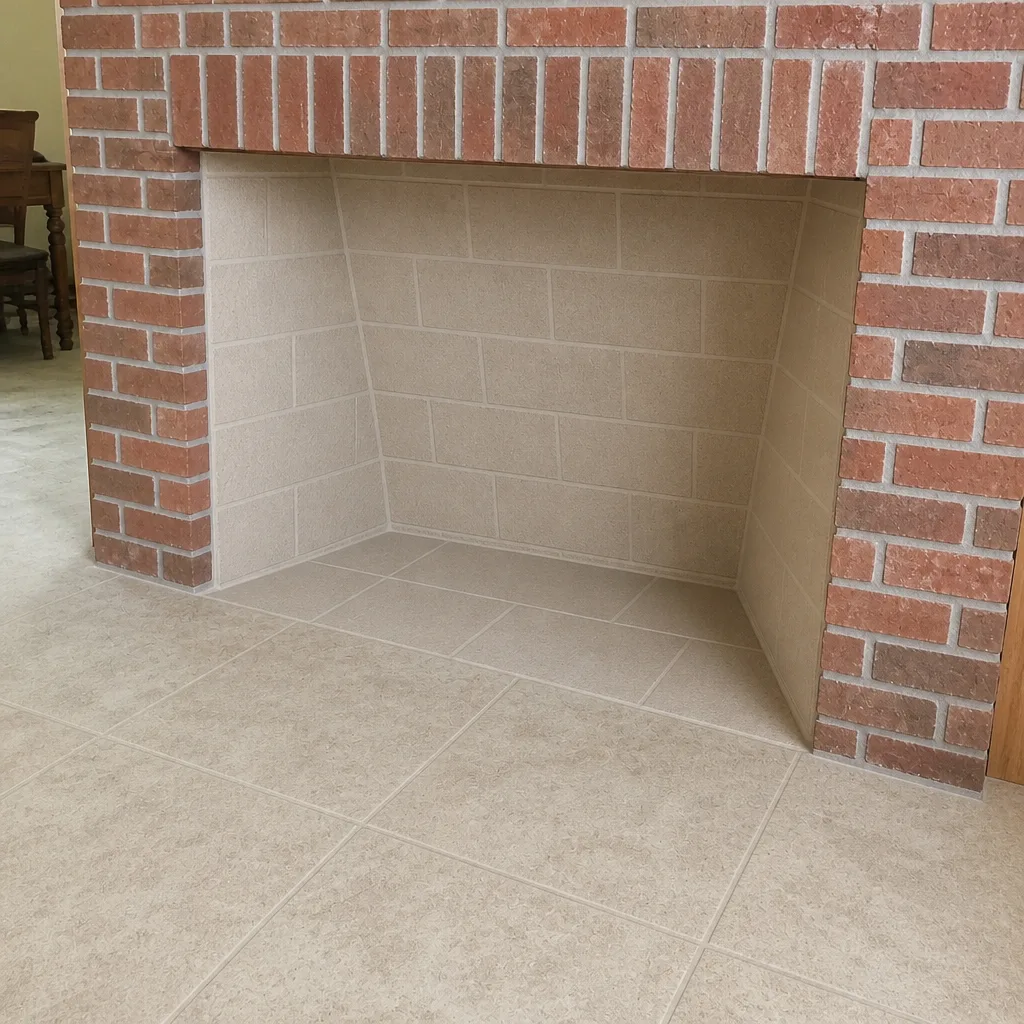
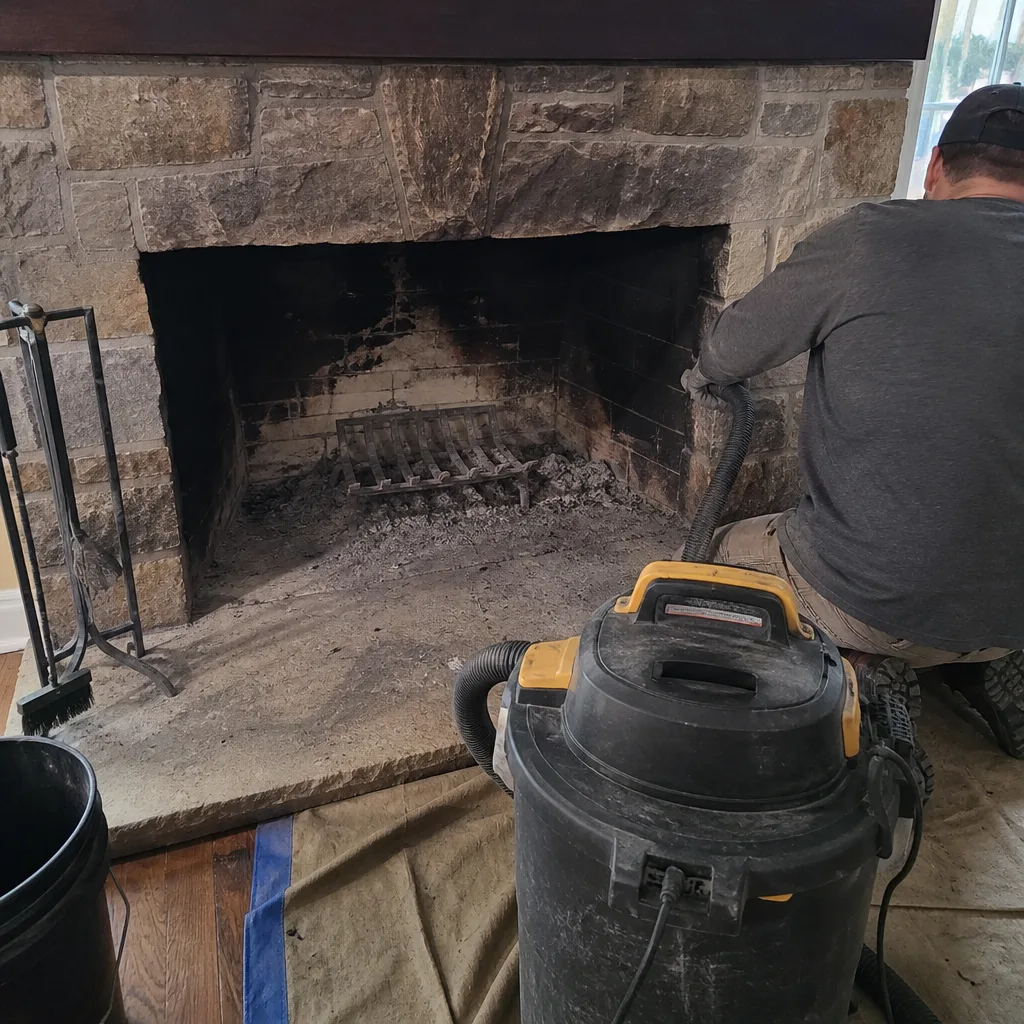
See the difference
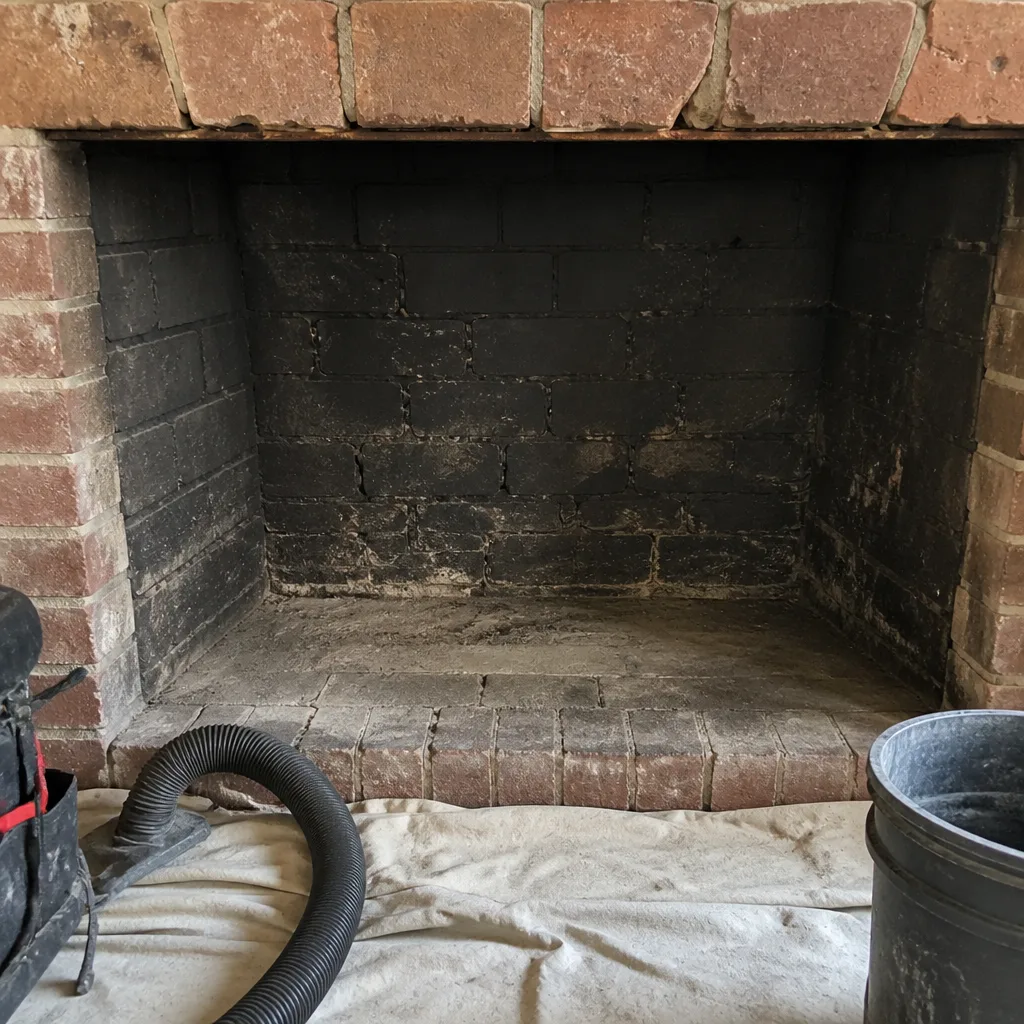 Before
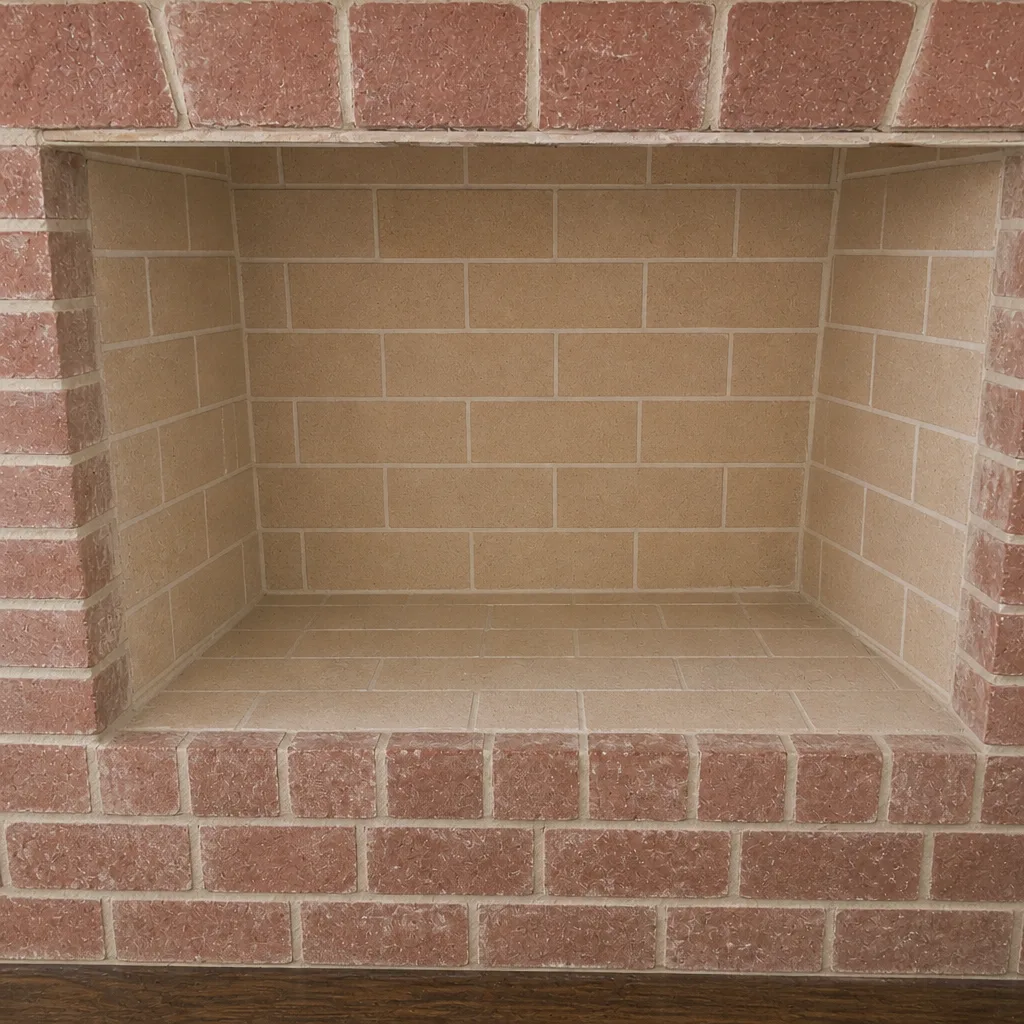 After
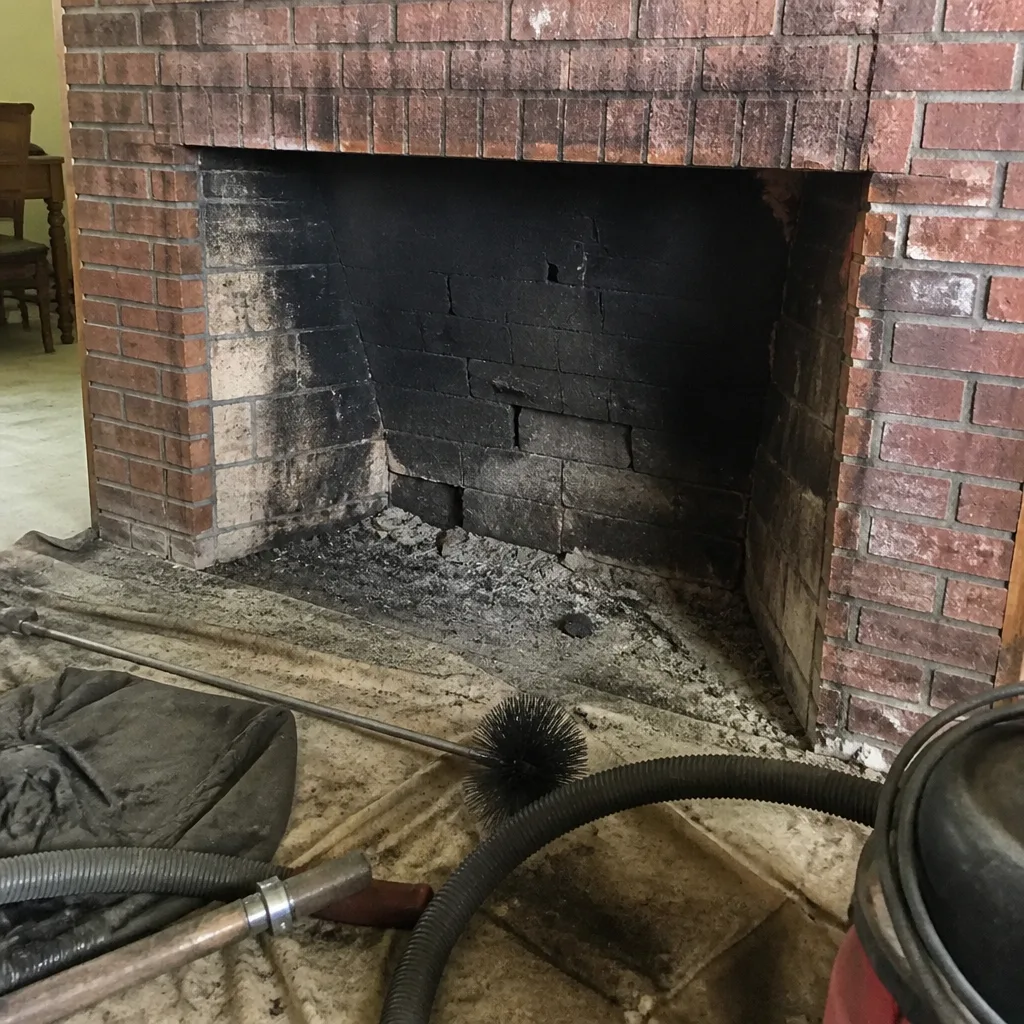 Before
 After
 Before
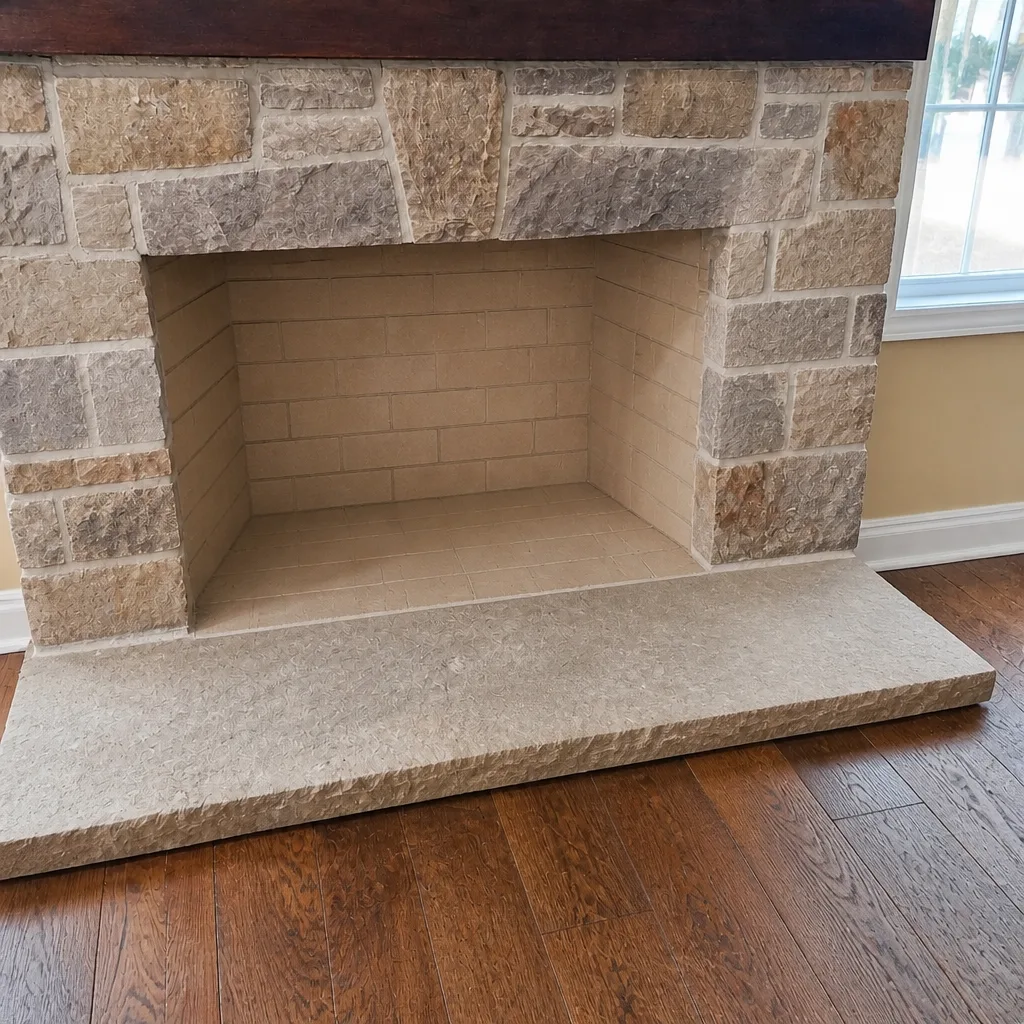 After
Common Mistakes to Avoid
- Mistaking a cleaner-looking flue for a clean flue. Brushing Stage 2 creosote flattens it against the wall and makes the surface look better without removing the danger. If the buildup was hardshell before the brush, it’s still there after.
- Sweeping from the firebox when debris should be removed from the top. A brush pushed up from below can dislodge a bird’s nest or fallen debris that then drops and wedges in the flue. Always confirm the flue is clear before you brush.
- Ignoring the crown and cap. Water entry through a damaged crown is the top cause of chimney deterioration, and it’s invisible from below. A chimney that “looks fine” from the firebox can have serious water damage up top. Our chimney cap & crown service addresses this specifically.
- Using the wrong brush on the wrong liner. Wire brushes can score a stainless flexible liner or damage clay tile. Match the brush material to your flue type or don’t brush it.
- Sweeping without inspecting. Cleaning without a camera check is like changing the oil without checking the engine. You remove debris; you learn nothing about condition.
- Going up on the roof in bad conditions. Wind, rain, snow, or ice on the shingles on the day of a planned sweep is a hard stop. St. George weather can turn quickly, and roof work isn’t worth the risk.
- Assuming gas fireplaces are maintenance-free. They still need venting inspection and combustion checks. Skipping this is one of the most common deferred-maintenance patterns we see.
When to Call a Professional
Here are the specific situations where calling a professional is the right move, in our honest judgment:
- The last professional inspection was more than a year ago, or you can’t remember the date.
- You see anything other than light, fluffy Stage 1 buildup in the flue.
- You smell smoke when the fireplace is idle, or smoke rolls into the room when it’s lit.
- You notice water staining on the chimney exterior, a cracked crown, or a missing chimney cap.
- Your chimney sits on a rowhouse, a steep-pitch roof, a second story or above, or a generally difficult-to-access roof.
- You’ve had any chimney fire, even a small one.
Chimney Sweep St. George offers free estimates in St. George. Call (855) 560-5292. We answer 24/7, with fast dispatch from 7am to 7pm, Sunday through Friday. If you’re not sure which category you fall into, that’s the right time to call. Every job starts with camera inspection and a photo report, so you’ll know exactly what you’re dealing with before any work gets booked. Our technicians have up to 14 years of experience working on St. George chimneys, and we’re happy to walk you through what a full-system inspection covers. If you want to see the broader range of what we do first, our Chimney Sweep St. George overview covers the full-service lineup, and the chimney sweep page explains the standard sweep and inspection process in more detail.
Frequently Asked Questions
Yes, in a limited way. A homeowner can sweep a straight masonry flue with Stage 1 soot buildup using a brush and shop vac, provided a professional has inspected the flue in the past year and confirmed the liner is intact. DIY cleaning becomes unsafe or ineffective when creosote has advanced beyond Stage 1, when the flue has offsets or a stainless liner in unknown condition, or when roof access is difficult. Call (855) 560-5292 for an exact quote on a professional inspection – estimates are free.
Most sweeps fall within a typical residential range, and the final price is set by the written estimate after a technician sees your flue configuration and roof access. Roof access and flue complexity affect the estimate more than any other factor. Call (855) 560-5292 for an exact quote – estimates are free.
Standard brushing does very little to glazed creosote and can polish the surface, which makes it harder for a professional to remove cleanly afterward. Stage 3 requires chemical treatment or flue resurfacing with a professional product like HeatShield, which is applied by trained technicians. If you see a shiny, tar-like glaze in the flue, stop brushing and get an inspection. Call (855) 560-5292 for an exact quote on a proper assessment – estimates are free.
Most homes should be swept once per year of active burning, and that’s also the safest interval for a professional inspection. Homes burning wood daily through a heating season may need professional cleaning more often. Gas fireplaces still need annual inspection for venting and combustion safety. The exact interval for your chimney depends on flue type and usage, and the first visit sets the baseline. Call (855) 560-5292 to schedule a sweep and inspection – estimates are free.
Yes, especially if it’s been over a year since the last professional assessment. A chimney can appear problem-free from the firebox and still have cracked flue tiles, an offset holding debris, or a deteriorating crown. The camera is the only way to see those conditions. We include camera inspection and a photo report in every professional cleaning so you can see the evidence yourself. Call (855) 560-5292 to book a full-system inspection – estimates are free.
Over time, unremoved creosote increases chimney fire risk, and damaged flue tiles or a failing crown allow heat, water and carbon monoxide into the structure of your home. The result is usually expensive late-stage repair instead of simple maintenance. A short professional visit each year is far less costly than a chimney rebuild. Call (855) 560-5292 for a free estimate on a full inspection – that’s the visit that lets you plan ahead.
The Bottom Line
DIY chimney cleaning isn’t a false choice. It has a real, narrow place as maintenance on a simple, recently inspected flue with light soot. But it can’t see anything. It can’t tell you if creosote has advanced, if the liner is compromised, if the crown is failing, or if the flue is clear above a smoke shelf. Professional cleaning exists because the diagnostic work matters as much as the removal, and the two can’t be separated safely. If you’re in St. George and you’re on the fence, the fastest way to a real answer is a professional inspection with a camera and a photo report you can read yourself. That’s the visit that turns “I think my chimney is fine” into “I know.”
If it’s time for a professional look at your chimney, call Chimney Sweep St. George at (855) 560-5292 for a free estimate. We answer 24/7. Fast dispatch from 7am to 7pm, Sunday through Friday.
Written by the team at Chimney Sweep St. George.